Roof Maintenance That Works: A Practical Guide to Protecting Your Home

Your roof protects your home from elements. If it fails, your insulation and frame are at risk. Regular maintenance prevents small issues from becoming costly repairs that disrupt your family. The National Park Service recommends preventive care to extend your roof’s life and protect your home. Inspections help find minor issues like cracked shingles or clogged valleys early. Routine gutter cleaning, securing loose shingles, and quick repairs reduce risks like leaks, water stains, and expensive repairs. If you’re searching for a trustworthy professional who understands local conditions and weather patterns, contacting a roofer in Columbus can give you peace of mind and keep your roof at peak performance year-round. Investing just a little time every season typically pays large dividends in both peace of mind and protection for one of your greatest investments: your home. Regular inspections can also help identify potential problems before they become major issues, saving you time and money in the long run. Additionally, maintaining your roof properly can extend its lifespan and delay the need for costly repairs or replacements.
Common Roofing Issues Homeowners Face
Homeowners often overlook minor roofing issues until storms reveal them. Cracked, missing, or bent shingles can cause leaks and water damage, especially after wind or hail. A single missing shingle allows moisture in, rotting wood and promoting mold. Clogged gutters caused by debris can lead to water backup, damaging the roof edge. Leaks near chimneys, skylights, or vents suggest flashing problems. Growth of algae, moss, and lichen in shaded or damp areas weakens roof materials, causing rust and slow leaks. The Forbes Home team stresses that timely repairs are cheaper than delaying damage.
Seasonal Inspection Checklist
- Check for missing, cracked, or curled shingles after storms or heavy winds. Look for granule loss that may indicate aging or storm impact.
- Inspect and clean gutters and downspouts to prevent water buildup and ice dams. Remove debris and ensure downspouts are properly attached and direct water away from your foundation.
- Look for moss, mold, or algae, which can degrade roofing materials. Clean lightly with recommended solutions, taking care never to use pressure washers that could damage shingles or protective coatings.
- Examine flashing and seals around roof penetrations such as chimneys, vents, and skylights for signs of weakness or leaks. Correcting improper seals can prevent extensive water intrusion.
- Assess attic insulation and ceilings for any signs of water damage, mold, or musty odors, which can be clues to hidden leaks above.
- Ensure all drainage points and valleys are free of leaves, dirt, or objects that might block water flow, especially before heavy rain seasons or snowfalls arrive.
By making seasonal roof inspections a habit, you are giving your home the best chance to weather each year’s unique challenges. Document any issues you see so you can address them in a timely manner, and reach out to a professional if you’re not comfortable with any aspect of the inspection yourself.
DIY Maintenance Tips for Homeowners
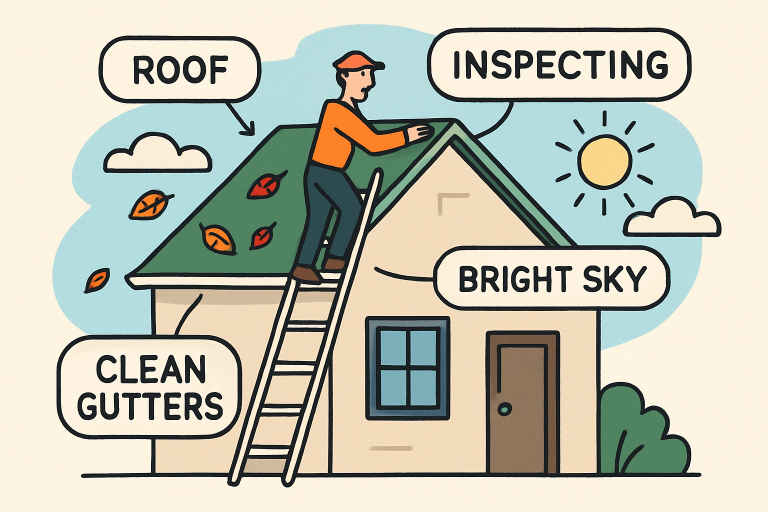
Homeowners are essential for roof maintenance. Start with visual inspections for debris, damaged shingles, or standing water from a ladder. Regularly remove branches, leaves, and debris from roof valleys and behind chimneys to prevent moisture buildup, rot, or ice dams. Clear gutters to avoid water damage and flooding. Trim overhanging trees to prevent storm damage and pest issues; maintaining trees reduces leaf buildup and falling branches. For small shingle problems, use patch kits and roofing cement, following safety guidelines. Avoid steep, wet, or icy roofs, and ask for help if needed.
Selecting the Right Roofing Materials
Your choice of roofing material directly impacts how much maintenance is required and how long your roof will last. Asphalt shingles, the most popular residential option, are affordable and easy to install, and they usually last from 15 to 30 years, depending on weather conditions and upkeep. Metal roofing is highly durable, with 40- to 70-year lifespans, and resists fire, mold, and pests. Though costly initially, it offers long-term savings due to fewer repairs, especially in extreme weather. Clay or concrete tiles last over 50 years, perform well in hot climates, and resist rot and insects, but their weight requires reinforced framing. Wood shakes give a unique look but need more maintenance and aren’t fire-safe. When choosing materials, consider climate, neighborhood style, and plans—short-term residents might opt for cheaper options, while long-term homeowners should prioritize durability.
When to Call a Professional
While many aspects of roof care can be handled by vigilant homeowners, some situations call for expert intervention. Large leaks, soft or sagging spots, visible structural damage, or widespread shingle failure are signs you should seek a professional evaluation. Attempting to repair these problems without the right training or equipment can lead to injury or cause even more harm to your roof.
A licensed roofer brings the experience and specialized knowledge needed to accurately assess hazards and determine the most cost-effective solutions. They also guarantee that any work complies with local building codes, permits, and manufacturer warranty requirements. For significant repairs or when in doubt, always prioritize your safety and the lasting integrity of your home by calling in the experts. Even if you feel confident tackling small tasks such as re-caulking flashing or replacing a damaged shingle, periodic professional checkups can catch problems you might miss and save money over your roof’s lifespan.
Understanding How Weather Impacts Your Roof
Roofs are continually exposed to a wide range of weather threats throughout the year. High winds can loosen or lift shingles, leaving vulnerable areas exposed and prone to leaks. Hail may cause surface bruises, cracks, or even punctures, particularly in asphalt shingles. Extended rainfall tests your roof’s drainage, and clogged gutters can cause water to seep beneath roofing. Temperature swings annually weaken seals and reduce material lifespan. Winter adds stress from snow and ice dams, leading to rot, leaks, and interior stains. Freeze-thaw cycles widen cracks, worsening issues. In storm-prone areas, weatherproofing with upgraded underlayment, impact-resistant shingles, or hurricane straps—advised by your contractor—can reduce damage and insurance costs. Better Homes & Gardens suggests storm post-inspections to detect hidden damage and respond promptly.
Conclusion
Consistent roof maintenance is one of the smartest investments you can make in protecting your home. By addressing small issues early, keeping your roof clean, and scheduling regular inspections, you extend its lifespan while avoiding costly repairs. A proactive approach not only safeguards your property but also provides peace of mind, knowing your home is secure and well-protected for years to come.