A Holistic Approach to Health: Combining Pain Management with Wellness Support

We often see health as simply not being sick. But true well-being is much deeper. It means taking a comprehensive and interconnected approach to our physical, mental, and social well-being. Many of us find healthcare confusing and broken into many parts. This is especially true when dealing with long-term problems or chronic pain.
We believe there is a better way. This article will look at comprehensive health management. We will show how mixing smart pain care with strong wellness help can change your health for the better. This includes understanding how specialized care, like comprehensive pain management, fits in. We will guide you through how this full approach can lead to a healthier, more active life.
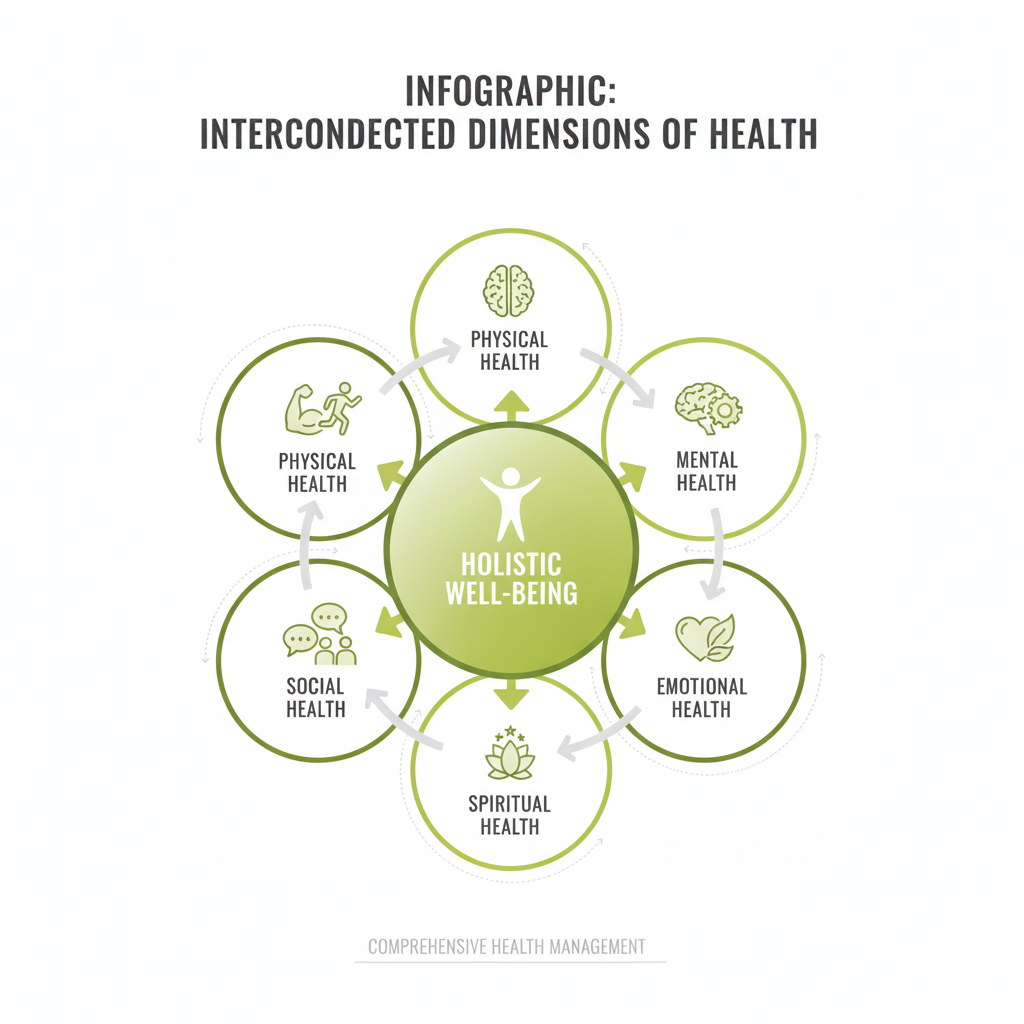
For generations, healthcare has largely operated on a reactive model: we wait until we are sick, injured, or in pain, and then we seek treatment. This traditional approach, while effective for acute conditions, often falls short in addressing the complex, interconnected nature of human health, especially when it comes to chronic conditions and overall well-being. We are witnessing a significant paradigm shift, moving away from this episodic, symptom-focused care towards a more holistic model – one that recognizes the intricate interplay between our physical, mental, emotional, social, and even spiritual dimensions.
A holistic approach to health means viewing the individual as a whole, not just a collection of symptoms or diseases. It champions patient-centered care, placing the individual at the heart of their health journey, empowering them with knowledge and involving them in decision-making. This model is inherently proactive rather than reactive, focusing on prevention, early intervention, and the optimization of overall well-being. It acknowledges the powerful mind-body connection, understanding that mental and emotional states profoundly impact physical health, and vice versa. Our goal is not merely the absence of illness, but the presence of vitality, resilience, and a high quality of life. This interconnectedness of health dimensions is crucial to truly understanding and implementing comprehensive health management.
What is a Holistic Health Approach?
At its core, a holistic health approach is synonymous with whole-person care. It’s a commitment to understanding and addressing all aspects of an individual’s health, rather than focusing on isolated specific ailments. This means we don’t just treat a headache; we explore potential root causes such as stress, diet, sleep patterns, or even environmental factors. Prevention becomes a cornerstone, with an emphasis on healthy lifestyle factors such as nutrition, regular physical activity, stress management, and adequate sleep, all tailored to individual needs and circumstances.
Integrated care is another defining characteristic. This involves bringing together various healthcare disciplines and support systems to work collaboratively. For instance, managing a chronic condition may involve not only a primary care physician but also a specialist, a nutritionist, a physical therapist, and a mental health counselor, all of whom communicate and coordinate their efforts to support the patient. This collaborative model ensures that all aspects of an individual’s health are considered and addressed cohesively and comprehensively, fostering sustainable health outcomes.
Why Traditional Models Fall Short
While traditional healthcare has its strengths, particularly in emergency medicine and acute care, its inherent structure often leads to significant gaps in comprehensive health management. We frequently encounter a system that is symptom-focused, meaning it primarily reacts to presenting problems rather than anticipating or preventing them. This can result in fragmented care, where patients see multiple specialists who may not communicate effectively with one another, leading to duplicated tests, conflicting advice, and a lack of a unified care plan.
The episodic treatment model, where care is delivered in isolated visits for specific issues, struggles to manage chronic conditions effectively. These long-term health challenges require continuous, coordinated care that often extends beyond the clinical setting. Without a comprehensive framework, patients with chronic conditions can find themselves navigating a complex and confusing system, leading to poorer health outcomes, increased emergency department visits, and higher healthcare costs. The absence of a broader view means that crucial non-clinical factors, such as social support or mental health, are often overlooked, further hindering an individual’s path to lasting well-being.
The Core Pillars of Comprehensive Health Management
As we move towards a more enlightened understanding of health, the concept of comprehensive health management emerges as a robust framework designed to overcome the limitations of traditional models. It stands on several core pillars, each of which is essential for delivering truly integrated and effective care.

At the heart of this approach is care coordination, which ensures that all aspects of a patient’s health journey are seamlessly managed. This involves a multidisciplinary team of professionals working in concert, sharing information, and developing unified strategies. Patient empowerment is paramount, changing individuals from passive recipients into active partners in their health decisions. A data-driven approach leverages insights from various sources to personalize care and identify population health trends. Finally, a strong emphasis on preventive care aims to avert illness and promote long-term wellness, rather than just treating symptoms. Together, these pillars create a foundation for a healthcare system that is proactive, person-centered, and genuinely comprehensive.
The Role of a Multidisciplinary Team
A cornerstone of comprehensive health management is assembling a multidisciplinary team, a diverse group of experts collaborating to address every facet of a patient’s health. This collaborative model acknowledges that no single healthcare professional possesses all the answers, particularly for complex or chronic conditions.
- Pharmacists play a crucial role in medication management, ensuring optimal drug therapy, identifying potential interactions, and educating patients on adherence. Their expertise is vital in preventing medication-related problems and optimizing treatment outcomes.
- Care managers act as navigators, guiding patients through the healthcare system, coordinating appointments, communicating with various providers, and ensuring continuity of care.
- Physical therapists are essential for restoring mobility, reducing pain, and improving physical function, particularly for individuals recovering from injury, surgery, or living with chronic pain conditions.
- Mental health counselors provide critical support for emotional well-being, addressing issues like anxiety, depression, and stress, which often co-occur with physical health challenges.
- Nutritionists provide guidance on diet and lifestyle, helping patients make informed choices that support their overall health and manage conditions such as diabetes or heart disease.
This team approach is particularly effective in areas that require highly specialized pain management strategies. When facing persistent discomfort, an integrated pain care team can combine pharmacological interventions with physical therapy, psychological support, and alternative therapies, all working towards a common goal of pain reduction and improved function. This holistic approach to pain relief, often found in dedicated centers, ensures that patients receive a custom plan that addresses the physical, emotional, and social dimensions of their pain.
Comparing Traditional vs. Comprehensive Health Management
To further illustrate the distinct advantages of a comprehensive approach, let’s consider a direct comparison with traditional healthcare models:
Feature Traditional Healthcare Comprehensive Health Management Focus Treating specific symptoms/illnesses Managing overall health and well-being Approach Reactive, episodic Proactive, continuous Care Team Siloed specialists Coordinated, multidisciplinary team Patient Role Passive recipient of care Active partner in health decisions Scope Primarily clinical needs Clinical, social, and emotional needs This table clearly highlights how comprehensive health management transcends the limitations of traditional care, offering a more integrated, patient-centric, and ultimately more effective pathway to lasting health.
Integrating Wellness and Social Support into Healthcare
True health extends far beyond the doctor’s office or the absence of disease; it is deeply intertwined with our daily lives, our environment, and our social connections. This understanding forms a critical component of comprehensive health management, which actively integrates wellness and social support into healthcare strategies. We recognize that factors outside the clinical field—often referred to as social determinants of health—profoundly impact an individual’s ability to achieve and maintain well-being.

Issues like housing stability, food security, and access to mental health support are not peripheral concerns but fundamental drivers of health outcomes. For instance, a patient struggling with chronic pain will find it significantly harder to adhere to a treatment plan if they are experiencing homelessness or lacking nutritious food. Similarly, individuals recovering from medical treatment, such as surgery or a serious illness, often face challenges that go beyond physical healing. They might grapple with mental health issues like depression due to scarring, mobility limitations, or the psychological impact of their experience. Comprehensive health management addresses these needs by connecting patients with community resources, offering mental health support, and providing custom programs for post-medical recovery that consider both physical and emotional healing. This holistic view ensures that care is not just clinical but also compassionate and practical, supporting individuals in their journey back to a healthy and fulfilling life.
Addressing Social Determinants for Better Outcomes
The impact of social determinants of health on an individual’s well-being is significant and cannot be overstated. We understand that a person’s health is significantly shaped by where they live, work, learn, and play. Addressing these non-medical factors is crucial for achieving better health outcomes and reducing health disparities.
Consider the challenge of transportation access. A patient living in a rural area without reliable transportation may miss crucial medical appointments, resulting in inadequate management of chronic conditions or delayed preventive care. Comprehensive health management identifies these barriers and works to mitigate them, potentially by connecting patients with ride-sharing services, community transportation programs, or telehealth options.
Environmental factors also play a significant role. Exposure to pollution, unsafe housing conditions, or a lack of green spaces can contribute to respiratory issues, chronic stress, and other health problems. Healthcare providers, in a comprehensive model, might collaborate with community organizations to advocate for healthier environments or connect patients with resources for home remediation, such as asthma remediation services.
Economic stability is another powerful determinant. Financial strain can lead to stress, poor nutrition, and an inability to afford medications or healthy lifestyle choices. Comprehensive programs often include referrals to social services that can assist with employment, financial literacy, or benefit enrollment.
Finally, education and community support networks empower individuals to make informed health decisions and provide a safety net during challenging times. Health education initiatives and connections to local support groups are integral parts of a comprehensive plan, fostering resilience and self-management. By actively addressing these social determinants, we move beyond treating symptoms to cultivating environments where health can truly flourish.
Defining a Personalized Comprehensive Health Management Plan
The essence of comprehensive health management lies in its ability to create a truly personalized plan for each individual. We recognize that every patient’s journey is unique, shaped by their specific health conditions, lifestyle, social circumstances, and personal goals. This is where the concept of a custom health solution truly comes into its own.
A key component of this personalization is Chronic Care Management (CCM). For patients living with two or more chronic conditions—a demographic that includes a significant portion of the adult population, particularly Medicare beneficiaries—CCM provides essential care coordination outside of regular office visits. This includes regular check-ins, medication management support, and educational resources, all designed to manage their conditions and prevent acute exacerbations proactively. The goal is to empower patients with the knowledge and tools necessary to manage their health effectively, resulting in improved outcomes and reduced hospital visits.
The development of such a plan begins with understanding the patient’s goals and objectives. What does a healthier life look like to them? What are their priorities? This leads to shared decision-making, where patients are active participants in choosing their treatment pathways, ensuring that care aligns with their values and preferences. Health education is continuously provided, equipping individuals with the understanding they need to manage their conditions and make informed lifestyle choices. Finally, self-management tools—ranging from digital apps for tracking symptoms to community support groups—are integrated into the plan, fostering independence and sustained well-being. This individualized approach ensures that the comprehensive health management plan is not a one-size-fits-all solution, but a dynamic roadmap custom to the unique needs and aspirations of each person.
The Measurable Impact of Coordinated Care
The shift towards comprehensive health management is not merely a philosophical one; it yields tangible, measurable benefits that underscore its effectiveness. When care is coordinated, proactive, and person-centered, we see significant improvements across various health metrics and patient experiences.

One of the most compelling outcomes is a reduction in the rate of hospital admissions and fewer emergency visits. Studies, such as those evaluating programs like the Comprehensive Health Management Patient Service (CHaMPS), have shown a positive impact, with emergency department visits remaining stable in intervention groups while increasing significantly in comparator groups. This directly translates into substantial cost savings for both patients and the healthcare system, with benefit-cost ratios often exceeding 1.0. Beyond the financial implications, we observe a marked improvement in patient satisfaction, as individuals feel more supported, heard, and actively involved in their care. This holistic engagement also leads to improved medication adherence, a crucial factor in effectively managing chronic conditions and preventing complications. These measurable impacts validate the power of integrated care, demonstrating that a comprehensive approach is not just beneficial for individual patients but also for the sustainability and efficiency of the entire healthcare ecosystem.
The Long-Term Benefits of Comprehensive Health Management
The ripple effects of comprehensive health management extend far beyond immediate symptom relief or cost reduction, fostering profound long-term benefits that improve an individual’s entire life trajectory. We consistently observe an enhanced quality of life as patients gain better control over their health, experience less pain, and engage more fully in activities they enjoy. This is particularly evident in the better control of chronic conditions, where consistent, coordinated care helps prevent exacerbations, slow disease progression, and maintain functional independence.
For many, this approach brings much-needed financial predictability. By reducing unplanned hospitalizations and emergency visits and optimizing medication regimens, comprehensive health management minimizes unexpected healthcare costs, alleviating a significant source of stress for individuals and families. Furthermore, the emphasis on continuous engagement and communication fosters improved patient-provider relationships. Patients develop trust and rapport with their care teams, feeling more comfortable discussing their concerns and actively participating in their health decisions. This ongoing partnership is crucial for sustained well-being.
By embracing custom health solutions and individualized health plans, we empower individuals to steer their health journey with confidence and support. For those seeking personalized comprehensive health management that adapts to their unique needs and promotes lasting wellness, exploring dedicated platforms and services can be a transformative step towards a healthier future.
Key Success Factors for Implementation
Implementing comprehensive health management effectively requires a strategic and concerted effort, built upon several key success factors:
- Strong primary care foundation: The primary care provider serves as the central hub, coordinating all aspects of a patient’s care. A robust primary care system, capable of managing diverse needs and facilitating referrals, is essential.
- Data integration and analytics: The ability to collect, integrate, and analyze data from various sources—such as clinical records, social services, and patient-reported outcomes—is crucial for identifying high-risk individuals, tailoring interventions, and measuring program effectiveness.
- Patient and community engagement: Actively involving patients in their care decisions and leveraging community resources and support networks are crucial for delivering personalized care and addressing the social determinants of health.
- A supportive payment and policy environment: Healthcare systems and policymakers must create incentives and regulatory frameworks that encourage and reimburse comprehensive, coordinated care models, moving beyond fee-for-service structures that often prioritize episodic treatment.
Frequently Asked Questions about Holistic Health Management
Who benefits most from a comprehensive health management approach?
A comprehensive health management approach offers benefits to a wide range of individuals, but certain populations stand to gain the most from it. We find that patients with chronic conditions, such as diabetes, heart disease, or chronic pain, benefit immensely from the coordinated, continuous care this model provides. High-need populations, including those with complex medical and social challenges (e.g., individuals experiencing homelessness, those with serious mental health or substance use disorders), also see significant improvements as their multifaceted needs are addressed in an integrated manner. Furthermore, individuals seeking preventive care who wish to manage their health and avoid future illnesses proactively find this approach invaluable. Finally, post-surgical patients or those recovering from significant medical events benefit from custom rehabilitation and support that extends beyond the acute phase of treatment, ensuring a smoother and more complete recovery.
How is a patient’s care coordinated?
Effective care coordination is the backbone of comprehensive health management. We ensure a patient’s care is coordinated through several key mechanisms. Typically, a lead care manager serves as the patient’s primary point of contact, overseeing their entire health journey. This manager facilitates communication between different providers, schedules appointments, and helps steer the healthcare system. The use of shared electronic health records (EHRs) is critical, allowing all members of the multidisciplinary team—from primary care physicians to specialists, pharmacists, and mental health professionals—to access up-to-date patient information, review treatment plans, and document their interventions. Regular team meetings, often involving the patient, ensure that everyone is aligned on goals and strategies. Additionally, patient communication portals empower individuals to access their health information, communicate securely with their care team, and actively participate in their care decisions, fostering a transparent and collaborative environment.
How does this approach address chronic pain?
Addressing chronic pain within a comprehensive health management framework involves a multidisciplinary treatment strategy that moves beyond simply prescribing medication. We recognize that chronic pain is a complex experience influenced by physical, psychological, and social factors. Therefore, our approach focuses on identifying and treating the root causes of pain, rather than just masking symptoms. This often includes a combination of therapies:
- Mind-body therapies such as mindfulness, meditation, and biofeedback help patients develop coping mechanisms, reduce stress, and alter their perception of pain.
- Physical rehabilitation, encompassing physical therapy, occupational therapy, and exercise programs, is essential for restoring function, enhancing strength, and alleviating physical limitations.
- Medication management is carefully customized, often exploring non-opioid options and ensuring that any pharmacological interventions are part of a broader, integrated plan.
By combining these elements, we aim to not only reduce pain levels but also improve overall function, mental well-being, and quality of life for individuals living with chronic pain.
Conclusion
The journey towards optimal health is rarely a straight path, and in a world where healthcare can often feel fragmented and reactive, comprehensive health management offers a guide of hope. We have explored how this holistic approach transcends traditional models by focusing on the whole person, integrating diverse expertise, and addressing the critical social determinants of health. From the seamless coordination provided by multidisciplinary teams to the empowerment of patients as active partners in their care, every aspect is designed to foster enduring well-being.
The measurable impacts—reduced hospitalizations, fewer emergency visits, and significant cost savings—underscore the efficacy of this approach. More importantly, the long-term benefits of an improved quality of life, better control of chronic conditions, and enhanced patient-provider relationships paint a picture of a healthcare future that is both sustainable and deeply humane. As we continue to advocate for and implement these integrated strategies, we move closer to a healthcare system that truly champions the health and vitality of every individual, ensuring that comprehensive care is not just a concept, but a lived reality.