Nurturing Future Ocean Advocates: Strategies for Teaching Kids About Marine Conservation

Instilling a sense of wonder and responsibility for the ocean in children is crucial for sustaining marine life and the planet’s health. The journey to becoming a steward of the sea begins with simple, formative experiences that spark curiosity and respect for marine environments. Virginia Chipurnoi emphasizes that early engagement and hands-on learning can profoundly shape a child’s understanding and appreciation of the ocean.
Nurturing passion and knowledge about the oceans early ensures that today’s children grow up to be informed citizens and passionate protectors of marine ecosystems. Through engaging activities and diverse learning methods, we can cultivate a generation that champions sustainable practices and advocates for the world’s oceans.
Interactive Educational Programs
Children are inherently curious and learn best through experiences that allow direct interaction with the world around them. Immersive initiatives such as youth action councils and marine science workshops offer invaluable opportunities for hands-on learning. Programs like the Youth Action Council place students at the forefront of conservation challenges, encouraging active participation and critical thinking.
These initiatives often partner students with scientists and local organizations to conduct marine exploration activities, rescue efforts, and data collection. As National Geographic highlights, first-hand engagement fosters both scientific acumen and a lasting emotional commitment to ocean protection.
Incorporating Ocean Literacy in School Curricula
Embedding ocean education within standard school curricula guarantees that all students, regardless of location or background, are exposed to vital marine concepts. Using established frameworks such as UNESCO’s ocean literacy principles, educators can design coursework that covers topics from marine biology to ocean policy and climate impacts. Countries embracing these frameworks report marked improvements in environmental awareness and increased student participation in conservation programs.
Utilizing Technology and Media
Digital tools and interactive media are increasingly important for connecting children with marine themes. Video games, interactive apps, and virtual field trips make ocean exploration both educational and fun. This approach introduces complex subjects through play, catering to a broad range of learning styles and accessibility needs.
Social media and online platforms can amplify the reach of conservation messages, bridging the gap between classroom learning and global marine movements. Educational documentaries, podcasts, and online workshops provide flexible, engaging ways for students and educators to deepen their understanding.
Community Engagement and Stewardship
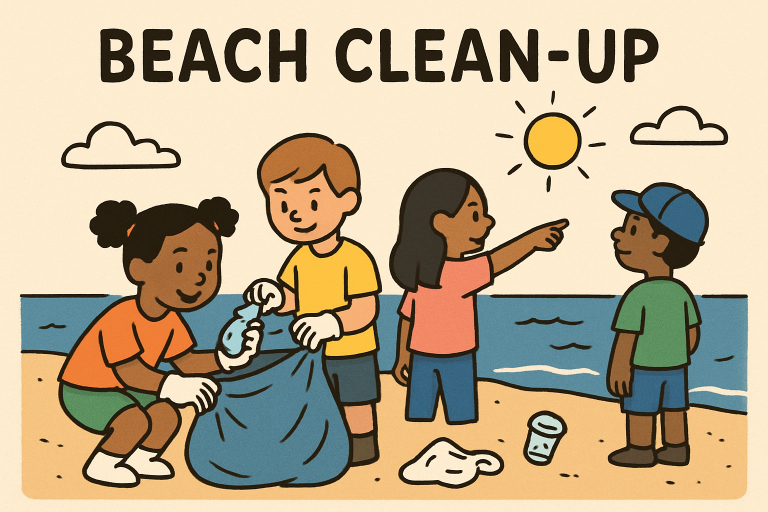
Active participation in community-driven conservation projects helps transform knowledge into real-world impact. Activities such as coastal clean-ups and habitat restoration foster teamwork, leadership, and a practical sense of stewardship. Young people involved in such initiatives often share their experiences through school projects or local events, inspiring peers and raising awareness in their broader communities. Involvement at a grassroots level cultivates the confidence needed to lead change and voice concerns about marine protection.
Storytelling and Creative Arts
Narratives about the ocean have always inspired people to care about its fate. Stories, whether factual or fictional, foster empathy and encourage advocacy. Integrating storytelling into marine education—through books, photography, or theater—helps children connect emotionally with the ocean’s inhabitants and their struggles.
Encouraging creative expression, such as painting seaside murals or writing poems about the sea, offers children personal, meaningful avenues to reflect on environmental themes. These art forms play a crucial role in shaping public perceptions and cultivating passionate, lifelong ocean advocates.
Parental Involvement and Role Modeling
Parents serve as a child’s first and most influential teachers. Practicing sustainable habits at home and including children in activities like recycling, wildlife watching, or reducing single-use plastics sets a powerful example. Family outings to aquariums, beaches, and conservation centers foster direct learning and spark memorable conversations about marine issues.
Simple day-to-day choices—such as choosing sustainable seafood or discussing news about the ocean—reinforce lessons learned at school and in the community. Together, families build a foundation for long-term commitment to ocean protection.
Conclusion
Nurturing future ocean advocates requires a multifaceted approach—interactive, community-based programs; ocean literacy within education systems; technology; creative arts; and strong family role models. As children learn, participate, and lead, they shape a future where the oceans are valued, protected, and sustained for generations to come.