Laying the Groundwork for Recovery: The Business Side of Treatment Centers
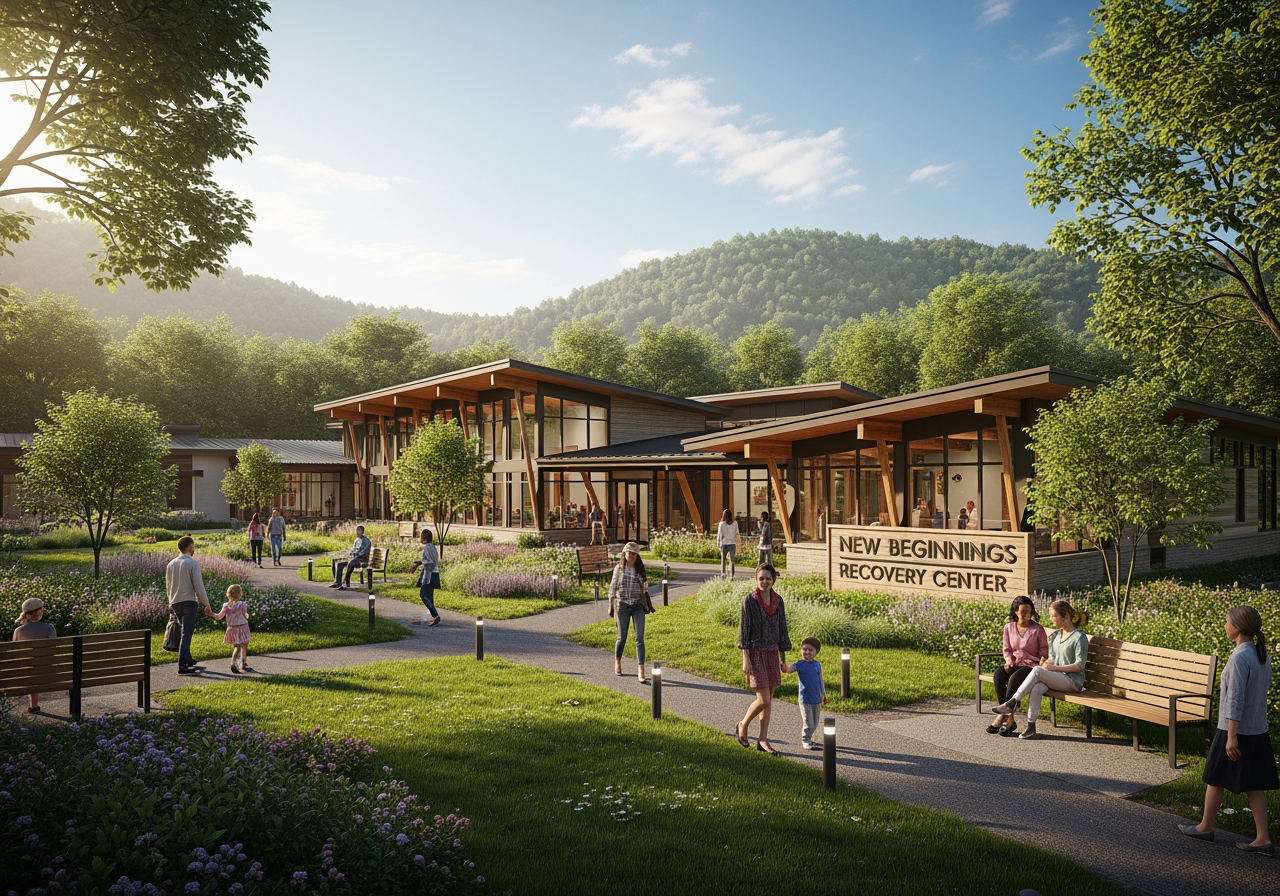
When we think of drug rehab, we often picture the journey of healing. We see people finding new hope and building better lives. But behind every successful recovery story is a complex operation. Running a treatment center requires more than just clinical expertise. It demands careful business management.
In West Tennessee, drug rehab centers play a vital role in our communities. They offer help to those struggling with addiction. To do this effectively, these centers must balance compassionate care with sound business practices, much like the dedicated team at a Kingdom Recovery drug rehab West Tennessee.
This article will explore the essential elements that build a strong foundation for healing. We will look at the business of running a treatment center. From clinical services to financial health, we will uncover what it takes to make these operations thrive.
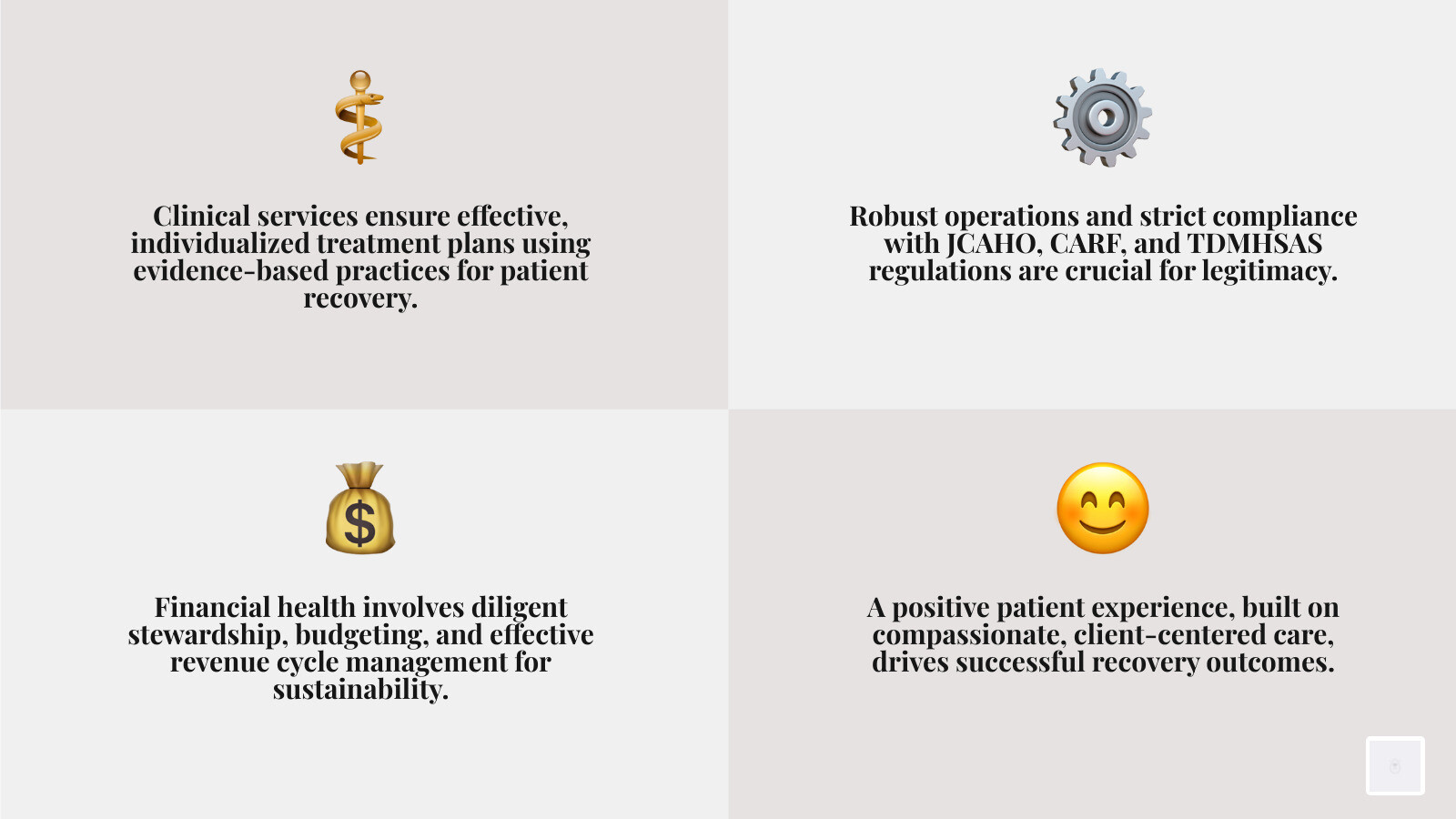
At the heart of every effective drug rehab center lies a robust operational framework. This framework ensures that clinical excellence is consistently delivered within a compliant and sustainable environment. For any treatment center, particularly those serving a region like West Tennessee, adherence to strict regulatory standards is non-negotiable. We must obtain and maintain various licenses and accreditations, such as those from the Joint Commission (JCAHO) or the Commission on Accreditation of Rehabilitation Facilities (CARF). These external validations signify a commitment to high-quality care and patient safety.
Beyond national accreditations, state-specific regulations are paramount. In Tennessee, the Department of Mental Health and Substance Abuse Services (TDMHSAS) sets forth comprehensive guidelines that dictate everything from facility standards to staffing requirements and treatment protocols. Understanding and integrating these mandates into daily operations is crucial. For instance, the Tennessee Department of Mental Health and Substance Abuse Services provides a clear continuum of care framework that centers must align with. This ensures that services provided are not only effective but also meet the specific needs of the state’s population.
Our operational model is built on evidence-based practices (EBPs), which are scientifically proven methods for addiction treatment. These practices inform our clinical team’s approach, ensuring that patients receive the most effective interventions available. This commitment to EBPs requires continuous training and education for all staff. The staffing model itself is multifaceted, encompassing a dedicated clinical team (doctors, nurses, therapists, counselors), administrative support (admissions, billing, HR), and auxiliary staff (nutrition, transport, facilities). Each role is vital, contributing to the holistic environment necessary for recovery. Ensuring that these diverse teams work cohesively and are well-supported is a core operational challenge and a key to our success.

Strategic Staffing in Healthcare Operations
The quality of care in any drug rehab center is inextricably linked to the quality of its staff. Therefore, strategic staffing is a critical operational pillar. We prioritize robust recruitment processes to attract highly qualified medical staff, licensed therapists, and compassionate support staff who are not only experts in their fields but also deeply committed to the recovery journey of our patients. This involves meticulous background checks, verification of credentials, and interviews designed to assess both professional competence and alignment with our mission.
However, recruitment is only half the battle; retention is equally, if not more, important. A stable, experienced team fosters continuity of care and builds trust with patients. We invest in ongoing training and professional development to ensure our staff remains at the forefront of addiction treatment methodologies. This includes specialized training in areas such as trauma-informed care, co-occurring disorders, and new therapeutic techniques. Creating a positive work culture, characterized by support, respect, and opportunities for growth, is essential for retaining our valuable team members.
We also understand the importance of maintaining an appropriate client-to-therapist ratio. This allows for individualized attention, deeper therapeutic engagement, and more effective treatment outcomes. A low client-to-therapist ratio ensures that each patient receives the personalized care they deserve, fostering an environment where healing can truly flourish. Our staff members are not just employees; they are integral to the healing process, and their well-being and professional growth are paramount to the overall success of our operations.
Developing a Continuum of Care
Effective addiction treatment is rarely a one-size-fits-all solution; it requires a comprehensive and adaptable approach known as a continuum of care. This structured progression of services is designed to meet individuals at their specific point of need and guide them through various stages of recovery. For a drug rehab center in West Tennessee, offering a full spectrum of care is crucial to long-term success.
Our continuum typically includes:
- Medical Detoxification: This is often the first and most critical step, providing medically supervised withdrawal management to safely and comfortably remove substances from the body. As highlighted by SAMHSA, around-the-clock supervision and support significantly improve detox program completion and success rates. This initial phase is vital for stabilizing patients before they can engage in therapeutic work. For more on this critical first step, consider resources on
vital aspects of selecting drug and alcohol detox in Tennessee. - Residential Treatment (Inpatient): Following detox, many individuals benefit from a structured, 24/7 living environment where they can focus entirely on their recovery, away from triggers and distractions. This intensive phase provides a safe space for deep therapeutic work.
- Partial Hospitalization Programs (PHP): PHPs offer a high level of care, similar to residential treatment, but allow patients to return home in the evenings. This provides a step-down from inpatient care, integrating treatment with real-world responsibilities.
- Intensive Outpatient Programs (IOP): IOPs offer fewer hours of treatment per week than PHPs, providing flexibility for individuals to maintain work, school, or family commitments while continuing their recovery journey. You can learn more about
intensive outpatient programsas a path to mental health recovery. - Outpatient Programs (OP): This is the least intensive level of structured care, involving regular therapy sessions and support groups, allowing for greater independence while providing ongoing accountability.
- Aftercare Planning: A comprehensive aftercare plan is developed for each patient as they near the end of their formal treatment. This plan outlines strategies for maintaining sobriety, including ongoing therapy, support groups, and community resources.
- Sober Living Environments: For many, transitioning to a sober living home provides a crucial bridge between intensive treatment and full independence, offering a supportive, drug-free environment with peer accountability.
Developing and managing this continuum requires careful coordination, ensuring seamless transitions between levels of care and consistent communication among the treatment team. This holistic approach significantly improves the likelihood of long-term recovery for our patients.
Clinical Service Delivery and Program Management
Effective clinical service delivery is the cornerstone of any successful drug rehab center. Our primary goal is to provide patient-centered care, recognizing that each individual’s journey to recovery is unique. This means developing individualized treatment plans that are custom to the specific needs, circumstances, and goals of each patient. These plans are not static; they evolve as the patient progresses, ensuring that interventions remain relevant and effective.
A significant aspect of modern addiction treatment is addressing dual diagnosis, or co-occurring disorders. Many individuals struggling with substance use disorder also experience underlying mental health conditions such as depression, anxiety, PTSD, or bipolar disorder. Our programs are designed to treat these co-occurring disorders simultaneously, as neglecting one can undermine the treatment of the other. This integrated approach is critical for comprehensive healing and sustained sobriety. We recognize the unraveling relationship between mental health and addiction and tailor our care accordingly.
We also adopt a trauma-informed approach, understanding that past traumatic experiences often contribute to substance use. This means creating a safe, supportive environment where patients feel secure enough to process their trauma without fear of re-traumatization. Our therapeutic modalities include a mix of group therapy, individual counseling, and family programs. Group therapy fosters a sense of community and shared experience, while individual therapy provides a space for deep personal exploration and skill-building. Family programs are crucial for healing relational dynamics and building a strong support system for the patient’s return home.

Tailoring Programs to Community Needs
Understanding the specific needs of the community we serve is paramount to delivering impactful treatment. In West Tennessee, for example, we observe particular regional statistics that guide our program development. Madison County, for instance, reported 31 drug overdose deaths in 2020, and approximately 73,000 patients received opioid prescriptions for pain in 2021. These figures underscore the ongoing challenges with opioid use disorder in the area. Furthermore, nearly 2% of residents reported cocaine use, and 4% reported pain reliever misuse from 2016-2018. These statistics highlight the diverse substance use landscape we must address.
Our operational blueprint for a facility, such as a Kingdom Recovery drug rehab West Tennessee location, must be custom-designed to address these specific regional challenges. This includes developing specialized services that target prevalent substances, such as opioid or stimulant use disorders, and integrating holistic therapies that resonate with the local population. We also recognize the importance of community partnerships, collaborating with local health organizations, law enforcement, and community leaders to create a supportive network for our patients. The Jackson Area Council on Alcoholism and Drug Dependency (JACOA), for example, is a licensed provider offering residential rehabilitation for 41 clients, demonstrating a local commitment to treatment that we can learn from and collaborate with.
By tailoring our programs to these specific community needs, we ensure that our interventions are not only evidence-based but also culturally relevant and accessible to those who need them most. This localized approach improves the effectiveness of our treatment and strengthens the overall fabric of recovery in West Tennessee.
Implementing Evidence-Based Therapies
The efficacy of our clinical programs hinges on the consistent implementation of evidence-based therapies (EBTs). These are therapeutic approaches that have been rigorously tested and proven effective through scientific research. We integrate a variety of EBTs to address the multifaceted nature of addiction and co-occurring mental health conditions.
- Cognitive Behavioral Therapy (CBT): A cornerstone of addiction treatment, CBT helps patients identify and change unhelpful thinking patterns and behaviors that contribute to substance use. It equips them with coping skills to manage triggers and cravings. Our insights on
understanding CBT for mental health and its effectivenessdemonstrate our commitment to this therapy. - Dialectical Behavioral Therapy (DBT): Often used for individuals with intense emotional dysregulation, DBT teaches skills in mindfulness, distress tolerance, emotion regulation, and interpersonal effectiveness. It’s particularly beneficial for those with co-occurring personality disorders or a history of trauma. Exploring
DBT therapy for emotional regulationcan provide further understanding. - Experiential Therapy: This approach uses activities, role-playing, and creative expression to help patients explore and process emotions, build self-awareness, and develop new coping mechanisms.
- Relapse Prevention: A critical component of all our programs, relapse prevention strategies teach patients to recognize warning signs, develop personalized coping plans, and build a robust support network to maintain long-term sobriety. We focus on
empowering recovery through relapse prevention after treatment. - Medication-Assisted Treatment (MAT): For certain substance use disorders, particularly opioid and alcohol dependence, MAT combines FDA-approved medications with counseling and behavioral therapies. This integrated approach has proven highly effective in reducing cravings, preventing overdose, and improving treatment outcomes. We ensure that
medically assisted detoxis a smooth transition for our patients.
We continuously measure therapeutic outcomes through patient surveys, progress assessments, and long-term follow-up studies. This data-driven approach allows us to refine our programs, ensuring we are always providing the most effective and compassionate care possible.
Financial Stewardship and Revenue Cycle Management
The ability to provide exceptional clinical care is intrinsically linked to sound financial stewardship. Running a drug rehab center involves significant operational costs, from highly skilled medical and clinical staff to facility maintenance and specialized therapeutic resources. Therefore, robust financial planning and efficient revenue cycle management are not just business necessities; they are ethical imperatives that ensure we can continue to serve our community.
Our financial strategy encompasses meticulous budgeting, stringent cost control measures, and the diversification of revenue streams. We strive for transparency and efficiency in all financial dealings. A crucial aspect of this is managing the revenue cycle, which involves everything from initial patient intake and insurance verification to claims submission, payment processing, and follow-up on outstanding balances. This complex process requires dedicated administrative teams and sophisticated software systems to minimize errors and maximize reimbursement.
Effective insurance verification is particularly important, as it helps patients understand their financial responsibilities upfront and prevents unexpected costs. We work diligently to streamline this process, ensuring that patients can focus on their recovery without undue financial stress.
Navigating Payer Mix and Reimbursement
One of the most intricate aspects of financial management in a treatment center is navigating the diverse payer mix and complex reimbursement landscape. Patients seeking drug rehab in West Tennessee may rely on a variety of payment sources, each with its own set of rules and requirements. These typically include:
- Private Insurance: We work with numerous private insurance providers, which often cover a significant portion of treatment costs. Understanding each policy’s specifics, including deductibles, co-pays, and out-of-network benefits, is critical. For instance, we can help verify if
Ambetter covers addiction and mental healthservices. - TennCare (Medicaid): As Tennessee’s Medicaid program, TennCare provides coverage for eligible low-income individuals. Navigating TennCare’s specific guidelines for substance abuse treatment is essential to ensure access for those with the greatest financial need. Eligibility often aligns with federal poverty guidelines.
- Medicare: This federal health insurance program for seniors and certain individuals with disabilities also covers addiction treatment services.
- Sliding Scale Fees: For patients who are uninsured or underinsured, and do not qualify for government programs, we often offer sliding scale fees based on income and ability to pay, ensuring that financial barriers do not prevent access to care.
- Self-Pay: Some individuals choose to pay for treatment out-of-pocket, providing another revenue stream.
The process of verification of benefits (VOB) is a critical first step, confirming a patient’s coverage and financial obligations. Following this, accurate claims submission, adhering to specific coding and documentation standards, is vital for timely reimbursement. Denial management, which involves appealing rejected claims, is also a continuous effort to ensure the financial health of the center. This intricate dance of managing different payers and their requirements is a core part of using insurance to cover the costs of rehab and running the business of a treatment center effectively.
Strategic Financial Planning in Healthcare Operations
Beyond day-to-day revenue cycle management, strategic financial planning is essential for the long-term viability and growth of a drug rehab center. This involves a forward-looking approach to budgeting, investment, and resource allocation. We regularly engage in comprehensive financial reporting and analysis, tracking key performance indicators (KPIs) such as patient census, revenue per patient, cost per patient, and collection rates. These metrics provide invaluable insights into our financial health and guide decision-making.
Investment in technology is another critical aspect. Modern Electronic Health Records (EHR) systems, billing and coding software, and telehealth platforms can significantly improve efficiency, reduce administrative burden, and improve patient care coordination. Such investments are carefully planned to yield long-term benefits.
Furthermore, strategic financial planning includes exploring avenues for securing additional funding, such as grants from federal or state programs, private foundations, or philanthropic donations. Grant writing is a specialized skill that can open up resources for expanding services, implementing innovative programs, or supporting patients with limited financial means. By diversifying funding sources and planning for sustainable growth, we can ensure that our drug rehab center remains a stable and accessible resource for the West Tennessee community for years to come. Our commitment to what to assess when choosing the right recovery center extends to our own operational excellence.
Frequently Asked Questions about Treatment Center Operations
What are the biggest operational challenges for a new treatment center?
Launching a new treatment center is a complex undertaking with several significant operational problems. Initial licensing and accreditation are often the most time-consuming and rigorous, requiring strict adherence to state and national standards before a single patient can be admitted. Securing insurance contracts with various payers is another major challenge, as this dictates accessibility for many potential patients and impacts revenue streams. Recruiting and retaining a highly qualified clinical and medical staff, including doctors, nurses, and therapists, is crucial and competitive. Establishing robust referral networks with hospitals, doctors, and community organizations is vital for patient intake. Finally, managing initial cash flow and covering startup costs before revenue stabilizes requires careful financial planning and often significant upfront investment.
How is “success” measured from an operational standpoint?
Measuring success operationally extends beyond just clinical outcomes. While patient outcomes (e.g., sustained sobriety, improved mental health) are paramount, operational success is also gauged by several key indicators. These include program completion rates, which reflect patient engagement and program effectiveness. Staff retention rates indicate a healthy work environment and continuity of care. Positive patient testimonials and satisfaction surveys provide qualitative feedback on the patient experience. Financial stability, characterized by consistent revenue and responsible expenditure, ensures the center’s long-term viability. Regulatory compliance, with zero deficiencies in audits, confirms adherence to legal and ethical standards. Reduced readmission rates among former patients can also serve as a powerful indicator of the lasting impact of the treatment provided.
What is the role of technology in modern healthcare operations?
Technology plays an increasingly transformative role in modern healthcare operations, including drug rehab centers. Electronic Health Records (EHRs) are fundamental, streamlining patient data management, improving care coordination, and ensuring secure information sharing. Telehealth platforms have expanded access to care, allowing for remote counseling and follow-up appointments, which is particularly beneficial for patients in rural areas or those with transportation barriers. Patient engagement apps can support recovery through reminders, educational content, and connection to support networks. Billing and coding software automates complex financial processes, reducing errors and improving reimbursement rates. Finally, data analytics tools are invaluable for tracking patient outcomes, identifying trends, and continuously improving program effectiveness. These technological advancements improve efficiency, improve patient care, and support evidence-based practice.
Conclusion
Running a drug rehab center is a delicate and demanding endeavor, requiring a constant balance between compassionate care and astute business management. It’s about more than just providing a service; it’s about building a foundation for healing that is both clinically excellent and financially sustainable. The operational intricacies – from navigating state regulations and securing accreditations to strategically staffing teams, developing comprehensive continuums of care, and mastering complex financial landscapes – form the invisible backbone of successful recovery.
Our commitment to quality care, ethical business practices, and continuous improvement ensures that centers like those in West Tennessee can continue to offer hope and healing. By understanding and excelling in the business of running a treatment center, we empower countless individuals to reclaim their lives, fostering stronger, healthier communities. The future of addiction treatment lies in this integrated approach, where mission and margin work hand-in-hand to create lasting positive change.