Navigating Property Crises: The Importance of Professional Restoration Services
Property damage restoration is a specialized field dedicated to mitigating, remediating, and repairing structures and contents affected by various incidents. It’s a comprehensive process that goes far beyond simple cleaning, aiming to return a property to its pre-damage condition, or even improve upon it, ensuring safety, structural integrity, and habitability. This critical service addresses a wide array of damage types, each presenting unique challenges and requiring specific expertise.
At its core, property damage restoration involves a systematic approach to identifying the extent of damage, implementing immediate protective measures, and executing a detailed plan for recovery. This includes dealing with the aftermath of water damage, which can stem from burst pipes, floods, or fire suppression efforts. Fire damage restoration tackles smoke, soot, and structural compromise, often complicated by the water used to extinguish the blaze. Storm impact, from hurricanes to hailstorms, can cause widespread destruction, necessitating emergency repairs and extensive reconstruction. Mold remediation becomes crucial when water damage leads to fungal growth, a common and hazardous secondary issue. Furthermore, biohazard cleanup addresses contamination from sewage backups or other biological threats, ensuring environmental safety and public health.
The process often requires a deep understanding of structural integrity and material science. Professionals assess the porosity of various materials to determine their salvageability. For instance, non-porous surfaces like glass or metal can often be thoroughly cleaned and disinfected, while highly porous materials such as drywall or insulation might need complete replacement due to deep contamination or saturation. This technical assessment is vital for making informed decisions about what can be restored versus what must be removed, ensuring effective and lasting repairs.
Common Types of Property Damage Restoration Services
Professional restoration companies offer a suite of services tailored to specific damage scenarios:
- Smoke and Soot Removal: Beyond visible soot, smoke particles can penetrate porous materials and leave persistent odors. Specialized equipment and cleaning agents are used to neutralize these effects.
- Flood Extraction and Drying: Rapid removal of standing water is paramount, followed by industrial-grade drying and dehumidification to prevent secondary damage like mold.
- Sewage Backup Cleanup: This highly hazardous situation requires immediate and thorough disinfection to protect occupants from pathogens.
- Vandalism Repair: From graffiti removal to structural repairs, restoration teams address damage caused by malicious acts.
- Emergency Board-Up and Tarp-Over Services: These vital services provide temporary security and weather protection for damaged properties, preventing further loss while permanent repairs are planned.
The Science of Material Salvageability
Understanding how different materials react to damage is fundamental to effective restoration. As we noted, mold growth occurs most commonly due to water damage in buildings and can grow on any surface, including the backside of walls and ceiling tiles. This highlights the importance of assessing not just visible damage, but also hidden moisture and potential contamination.
- Non-Porous Materials: Surfaces like tile, metal, and hard plastics are generally easier to clean and restore. They resist water absorption, making them less susceptible to mold penetration.
- Semi-Porous Materials: Wood, concrete, and some types of plaster can absorb moisture but may be salvageable with aggressive drying techniques and antimicrobial treatments. Their condition depends heavily on the extent and duration of exposure.
- Porous Materials: Drywall, insulation, carpets, and upholstered furniture often absorb water deeply and quickly. If contaminated or left wet for too long, these materials are typically deemed unsalvageable to prevent mold growth and structural compromise.
The decision to restore or replace is a critical one, balancing cost-effectiveness with long-term safety and structural integrity. Professional restoration technicians use advanced moisture meters, thermal imaging, and other diagnostic tools to make these assessments accurately, ensuring that every step taken contributes to a complete and lasting recovery.
The Critical Role of Timing in Disaster Mitigation

When property damage strikes, the clock starts ticking. The speed of response is not just a matter of convenience; it is a critical factor that significantly impacts the extent of damage, the cost of restoration, and the overall safety of the property. Delaying action, even by a few hours, can transform a manageable problem into a complex and expensive crisis.
Statistics underscore this urgency: mold can develop within 24-72 hours after water damage and spread rapidly if not addressed. This narrow window highlights why immediate intervention is non-negotiable. Delays after property damage often lead to compounding problems that are more difficult and expensive to correct later. For instance, what might start as a simple leak can quickly become a widespread mold infestation, requiring extensive remediation and potentially posing health risks.
The financial implications of delayed response are also substantial. The global post-storm remediation market is projected to expand from $70 billion in 2024 to $92 billion by 2029, reflecting the increasing frequency and severity of natural disasters. This growth also implicitly points to the rising costs associated with restoration, especially when immediate action isn’t taken to mitigate initial damage. Prompt action can significantly reduce the overall cost of restoration, minimize business interruption, and preserve the value of your property. For those in metropolitan areas facing sudden damage, understanding the urgency and accessing swift, professional help, such as expert Chicago property damage restoration services, can be invaluable in preventing further losses.
Preventing Secondary Issues Through Rapid Property Damage Restoration
Rapid response is the most effective defense against secondary damage. Here’s how professional restoration teams mitigate these risks:
- Humidity Control: After water extraction, controlling indoor humidity is crucial. Industrial dehumidifiers are deployed to dry out residual moisture from the air and materials, preventing conditions conducive to mold growth.
- Industrial Dehumidification: Specialized equipment targets hidden moisture within walls, floors, and structural elements, which often goes unnoticed in DIY efforts.
- Structural Rot Prevention: By drying out wooden structures and other organic materials quickly, professionals can prevent the onset of rot, which compromises structural integrity over time.
- Indoor Air Quality: Prompt drying and remediation prevent the release of mold spores and other contaminants into the air, safeguarding the indoor air quality and the health of occupants.
- Pathogen Containment: In cases of sewage backup or biohazard incidents, immediate containment and disinfection are vital to prevent the spread of harmful bacteria and viruses.
Compounding Effects of Delayed Response
Ignoring or delaying professional intervention can lead to a cascade of worsening problems:
- Corrosion: Metals, including plumbing and electrical components, can corrode when exposed to moisture for extended periods, leading to costly repairs or replacements.
- Electrical Hazards: Water and electricity are a dangerous combination. Delayed drying can lead to short circuits, fire risks, and electrical system failures.
- Permanent Staining: Water, smoke, and soot can cause irreversible staining on walls, floors, and furniture if not addressed promptly, diminishing aesthetic appeal and property value.
- Weakened Foundations: Prolonged moisture exposure can compromise the structural integrity of foundations, leading to cracks, shifts, and potential collapse.
- Escalating Insurance Premiums: Repeated or extensive claims due to secondary damage that could have been prevented might impact future insurance premiums and coverage availability.
Every hour counts. Acting quickly by engaging professional restoration services can save property owners significant financial burden, protect health, and ensure a more efficient path to recovery.
The Professional Restoration Process: From Assessment to Recovery
The journey from damage to full recovery is a structured and systematic process when handled by professionals. Unlike DIY approaches, which often miss hidden issues and lack the necessary equipment, professional restoration follows industry-standard protocols to ensure thorough and lasting results. This process is typically guided by certifications like those from the Institute of Inspection, Cleaning and Restoration Certification (IICRC), ensuring technicians are trained in the latest and most effective methods.
Next is remediation, focusing on cleaning, sanitizing, and drying affected areas. This stage uses specialized equipment like industrial air movers and dehumidifiers, often guided by thermal imaging to detect hidden moisture. For fire damage, this involves meticulous smoke and soot removal. If mold is present, specialized mold remediation techniques are employed to safely contain and remove it. Finally, reconstruction brings the property back to its pre-damage state, addressing structural repairs, aesthetic finishes, and ensuring all systems are fully functional.
Navigating Insurance Claims and Documentation
Dealing with insurance claims can be one of the most daunting aspects of property damage. Professional restoration companies often provide invaluable support in this area. They understand the intricacies of insurance policies and can help property owners navigate the process effectively.
- Public Adjusters: Some property owners choose to work with public adjusters, who represent the policyholder’s interests in negotiating with the insurance company. Restoration companies can often provide the detailed documentation needed by these adjusters.
- Itemized Estimates: Restoration professionals provide thorough, itemized estimates of the damage and necessary repairs, which are crucial for insurance claim submissions.
- Policy Limits and Coverage: They can help property owners understand their policy limits and what types of damage are covered, such as sudden and accidental water damage versus gradual leaks.
- Evidence Collection: Meticulous documentation, including photos, videos, and detailed reports of the damage and the restoration process, is critical for supporting a claim.
- Settlement Negotiation: With accurate documentation and expert assessments, restoration companies can facilitate smoother negotiations with insurance adjusters, helping to ensure a fair settlement.
- Digital Documentation: Many companies utilize digital platforms for documentation, providing transparency and easy access to information for both the property owner and the insurance provider.
Structural Stabilization and Reconstruction
After the initial mitigation and remediation, the property may require significant structural repairs and reconstruction. This phase is about rebuilding and restoring the physical integrity and aesthetic appeal of the property.
- Demolition and Debris Removal: Damaged materials that cannot be salvaged are safely removed and disposed of according to local regulations.
- Permit Acquisition: For extensive repairs, local building permits are often required. Restoration companies can assist with navigating this process.
- General Construction: This encompasses a wide range of services, including carpentry, electrical work, plumbing, HVAC system restoration, roofing, and flooring installation.
- Electrical Safety: Damaged electrical systems are repaired or replaced by licensed electricians to ensure safety and compliance with codes.
- HVAC Restoration: Heating, ventilation, and air conditioning systems are thoroughly cleaned and repaired, especially after fire or mold damage, to prevent the circulation of contaminants.
- Final Inspections: Before the project is considered complete, thorough inspections are conducted to ensure all work meets safety standards and client satisfaction.
This comprehensive approach ensures that every aspect of the damage is addressed, leading to a property that is not only visually restored but also structurally sound and safe for occupancy.
Essential Qualifications for Restoration Specialists
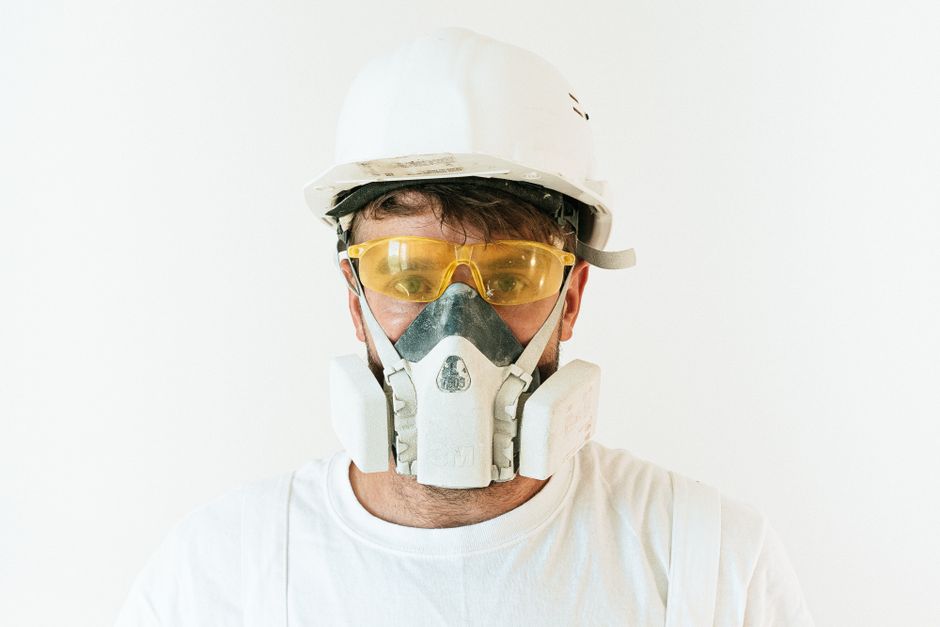
Choosing the right restoration company is paramount to a successful recovery. The industry is highly specialized, and not all providers offer the same level of expertise or commitment. When entrusting your property to a restoration team, it’s crucial to look for specific qualifications and certifications that signify professionalism, competence, and adherence to industry best practices.
One of the most important credentials is IICRC certification. The Institute of Inspection, Cleaning and Restoration Certification (IICRC) sets the global standard for the inspection, cleaning, and restoration industries. An IICRC-certified company ensures that technicians have undergone rigorous training in areas such as water damage restoration, fire and smoke restoration, and mold remediation. These specialists are trained to identify specific issues, like black mold, contain its spread, and disinfect affected areas safely and effectively.
Beyond certifications, state licensing is a fundamental requirement. While some states may not mandate specific licenses for water damage restoration, construction work almost always requires a license. A reputable company will hold all necessary state and local licenses for the services they provide, ensuring they operate legally and meet regulatory standards. Liability insurance is equally critical, protecting both the property owner and the restoration company in case of unforeseen incidents during the restoration process.
Other key qualifications include:
- 24/7 Availability and Rapid Response: Disasters don’t adhere to business hours. A company that offers round-the-clock emergency services and boasts fast response time metrics demonstrates a commitment to mitigating damage quickly.
- Adherence to Industry Standards: Professionals should follow established guidelines for safety, environmental protection, and effective restoration techniques.
- Technical Expertise: This includes proficiency with specialized equipment, diagnostic tools, and knowledge of various restoration methodologies.
- Project Management Capabilities: For larger projects, the ability to manage complex timelines, coordinate multiple trades, and communicate effectively is vital.
Evaluating Local Expertise and Reviews
While national affiliations and certifications are important, local expertise and a strong reputation within the community can be equally valuable. For those in the Mountain West, finding reliable Denver water & property restoration ensures that local environmental factors and building codes are expertly handled.
- Proximity: A local company can often respond faster to emergencies, which, as we’ve discussed, is critical for mitigating secondary damage.
- Response History: Investigate a company’s track record of responding to emergencies in your area. Look for consistency and reliability.
- Equipment Inventory: A well-equipped company will have a comprehensive inventory of industrial-grade drying equipment, air scrubbers, moisture meters, and other specialized tools necessary for efficient and effective restoration.
- Customer Satisfaction: Online reviews, testimonials, and referrals from trusted sources provide insight into a company’s customer service and the quality of their work. Look for patterns of positive experiences, especially regarding communication and problem-solving.
- Single-Source Provider Benefits: Many property owners find it advantageous to work with a single company that can handle all aspects of restoration, from initial cleanup to reconstruction. This streamlines the process, reduces coordination headaches, and can often lead to quicker completion times.
By thoroughly vetting potential restoration partners based on these qualifications, property owners can ensure they are selecting a competent, reliable, and professional team dedicated to restoring their property and peace of mind.
Frequently Asked Questions about Property Restoration
Navigating property damage can be confusing, and many questions often arise during such stressful times. Here, we address some of the most common inquiries property owners have about the restoration process.
How long does the property restoration process usually take?
The duration of the property restoration process is highly variable, depending on the type, extent, and severity of the damage, as well as the materials affected. There’s no one-size-fits-all answer, but we can provide some general timeline variables:
- Small-scale drying and cleanup: For minor water leaks or isolated incidents, the drying process might take a few days, with overall cleanup and minor repairs completed within a week.
- Moderate remediation: Projects involving more extensive water damage, smoke damage, or contained mold growth can span several days to a few weeks. This includes thorough drying, cleaning, and replacement of affected materials like drywall or flooring.
- Large-scale reconstruction: Major events like significant fire damage, widespread flooding, or severe storm impact often require extensive demolition, structural repairs, and complete reconstruction. These projects can take several weeks to several months, or even longer, depending on the complexity, permitting requirements, and availability of materials.
By May 2026, efficiency standards and advanced technology continue to streamline these processes, but the inherent nature of rebuilding means that patience and thoroughness remain key. Professional restoration companies will provide a projected timeline after their initial assessment, keeping you informed throughout each phase.
What should I do immediately after discovering property damage?
Acting quickly and safely is paramount after discovering property damage. Here are the immediate steps you should take:
- Ensure Safety First: Your safety and the safety of your family or employees are the top priority. If there’s a risk of structural collapse, electrical hazards, gas leaks, or other immediate dangers, evacuate the premises and call emergency services (fire department, police, or utility company) immediately.
- Stop the Source of Damage (If Safe to Do So): For water damage, try to shut off the main water supply. For minor leaks, place buckets to catch dripping water. Do NOT attempt to stop the source if it involves electrical hazards or compromised structures.
- Document the Damage: Before any cleanup or repairs begin, thoroughly document the damage with photos and videos. This evidence will be crucial for your insurance claim. Capture wide shots of affected areas and close-ups of specific damage.
- Contact Your Insurance Provider: Notify your insurance company as soon as possible to initiate the claims process. They can advise you on your coverage and the next steps.
- Contact a Professional Restoration Company: Engage a reputable restoration service immediately. Their rapid response can mitigate further damage, especially preventing secondary issues like mold growth, which can develop within 24-48 hours. They can also assist with temporary measures like emergency board-ups or tarp-overs.
- Avoid Aggravating the Damage: Do not attempt extensive DIY cleanup or repairs that could worsen the situation or invalidate your insurance claim. Avoid using damaged appliances or electrical systems.
Taking these steps quickly can significantly reduce the overall impact of the damage and streamline the recovery process.
Is property restoration covered by standard insurance policies?
Most standard homeowners’ and commercial property insurance policies do cover property damage restoration, but the extent of coverage varies significantly based on the policy, the cause of the damage, and specific exclusions.
- Covered Perils: Typically, policies cover damage from “sudden and accidental” events, such as burst pipes, fire, smoke, windstorms, hail, and vandalism.
- Common Exclusions: Flood damage (from natural disasters like overflowing rivers or storm surges) is usually excluded and requires a separate flood insurance policy. Damage from earthquakes also typically requires a separate policy. Gradual damage, such as long-term leaks or neglected maintenance leading to rot or mold, is often not covered because it’s considered preventable.
- Deductibles: You will generally be responsible for paying a deductible before your insurance coverage kicks in.
- Claim Filing Process: After notifying your insurer, an adjuster will assess the damage to determine coverage and the estimated cost of repairs. Professional restoration companies can provide detailed documentation and estimates to help facilitate this process.
- Documentation Requirements: As mentioned, thorough documentation of the damage and all restoration efforts is essential for a smooth claims process. Keep records of all communications with your insurer and restoration company.
It’s always best to review your specific policy documents or speak directly with your insurance agent to understand your coverage limits and exclusions for property damage restoration. The average cost of water damage to a home is between $2,500 and $4,500, making insurance coverage a critical component of financial recovery.
Conclusion
Discovering property damage is undoubtedly a challenging experience, but it doesn’t have to be a catastrophic one. By understanding the intricacies of property damage restoration, recognizing the critical importance of a rapid and professional response, and knowing what to look for in a qualified restoration partner, property owners can navigate these crises with confidence.
Professional restoration services offer more than just cleanup; they provide a pathway to peace of mind by ensuring your property is returned to a safe, stable, and healthy condition. They safeguard your long-term property stability by addressing hidden damage and preventing secondary issues that could compromise structural integrity. Engaging a professional partnership with certified and experienced restoration specialists is the most effective strategy for risk reduction and the successful restoration of normalcy to your home or business. Don’t let unexpected damage overwhelm you; empower yourself with knowledge and choose the right experts to guide you through recovery.