Medical Grade Skincare Vs. Over The Counter: What’s The Difference?
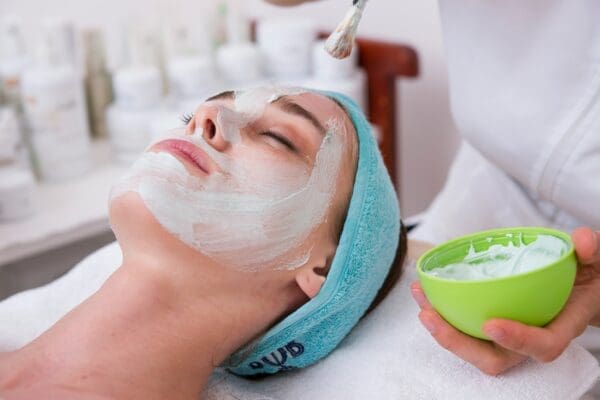
You might be standing in front of your bathroom mirror, staring at a half-used lineup of creams and serums, wondering why your skin still looks tired, uneven, or inflamed. Maybe a friend swears by “medical grade” skincare from a med spa or a medical spa in Buffalo Grove, IL, while your shelf is full of over the counter products you picked up at the drugstore or beauty shop. It is confusing, and it can feel wasteful, especially when you have already spent more than you wanted to.end
Because of this tension, you might wonder whether medical grade skincare is truly different from over the counter options, or if it is just better marketing and a higher price tag. In simple terms, medical grade products usually contain higher concentrations of active ingredients, are often backed by clinical data, and are designed to reach deeper layers of the skin. Over the counter products tend to focus on safety for the general public and cosmetic results on the surface. Both have a place. The key is understanding what each can and cannot do, so you can stop guessing and start choosing with confidence.
So where does that leave you when your goal is clearer, healthier skin without wasting more time and money?
Why choosing between medical grade and drugstore skincare feels so overwhelming
It often starts with something small. A new wrinkle that will not soften. A breakout that lingers. Sunspots that make you feel older than you are. You try an over the counter cream that promises the world. Then another. You might see a tiny change, or irritation, or nothing at all. The labels all sound scientific, yet the results feel random.
Part of the stress comes from the fact that “medical grade skincare” is not a strictly defined legal category in the same way that prescription drugs are. Many brands use the term to suggest that their formulas contain higher levels of active ingredients, or that they are sold through a med spa or clinician’s office. On the other hand, over the counter products must meet safety standards and are regulated as cosmetics when they are intended only to cleanse, beautify, or change appearance without affecting the structure or function of the skin. The U.S. Food and Drug Administration explains how cosmetics are regulated and what “cosmetic” actually means, which can help clear up some confusion. You can read more in this FDA consumer guide on cosmetic safety.
Because of these differences, you end up in a gray area. Products can claim to reduce wrinkles or brighten skin, yet not all of them are required to prove that claim in the same way a prescription drug must. That is where frustration grows. You are trying to make a smart decision, but the rules behind the scenes are not obvious from the label.
What is the real difference in how these products work on your skin?
To understand medical grade skincare vs over the counter, it helps to look at three key areas. Ingredient strength, where the product can reach in the skin, and the level of testing behind it.
Imagine two different retinol products meant to address fine lines. An over the counter cream from the drugstore might contain a low concentration of retinol or a gentler derivative. It aims to be safe for almost anyone who picks it up, often with a pleasant texture and fragrance, and it may focus more on moisturization and comfort. A medical grade retinol from a med spa, by contrast, might contain a higher strength, be formulated to penetrate more deeply, and come with specific usage instructions tailored to your skin type.
The Mayo Clinic notes that many wrinkle creams contain active ingredients such as retinoids, alpha hydroxy acids, and vitamin C, but the improvements are usually modest and depend heavily on concentration and formulation. You can see an overview of how common anti aging ingredients work in this Mayo Clinic explanation of wrinkle creams and ingredients.
Medical grade lines often use prescription level or near prescription level ingredients in products such as retinoids, hydroquinone, or strong exfoliating acids. They are typically dispensed under the guidance of a trained professional who can adjust your routine, manage side effects, and combine products for specific concerns like acne, melasma, or advanced sun damage.
On the other hand, over the counter skincare can still be very helpful. For mild dryness, early fine lines, basic sun protection, or simple cleansing, a well formulated drugstore product can absolutely support your skin. The challenge is that without guidance, you might pair products that cancel each other out, or you might choose formulas that are too weak for your goals yet still expensive.
How do cost, results, and safety compare in everyday life?
Think about a “what if” scenario. You want to fade dark spots from sun damage. You buy three over the counter brightening serums over six months. Each costs a moderate amount. None contains a high enough concentration of active ingredients to reach the pigment effectively, so the spots barely change. You are out the cost of three products and months of effort, and you feel discouraged.
Now imagine that instead you meet with a med spa provider. They examine your skin, ask about your history, and recommend a targeted medical skincare regimen that might include a higher strength brightening agent, a retinol, and strict daily sunscreen. You pay more upfront, and there may be an adjustment period with mild irritation, but after several months you see meaningful fading of the spots. The cost per visible result can actually be lower, even if the price per bottle is higher.
Of course, medical grade products can also cause stronger side effects if misused. Redness, peeling, or sensitivity to the sun are common if instructions are not followed. Some ingredients, like certain retinoids or hydroquinone, have specific medical cautions. A scientific review of cosmeceuticals and active skincare ingredients discusses how these compounds affect the skin structure and what risks exist when concentrations increase. If you are curious about the science behind these actives, you can explore this NCBI overview of cosmeceutical ingredients and safety.
So how do you compare all of this in a way that feels practical rather than overwhelming?
Side by side comparison: medical grade skincare vs over the counter
The table below offers a simple way to weigh everyday considerations. It is not meant to replace a professional consultation, but it can help you see where each option fits in your routine.
| FACTOR | MEDICAL GRADE SKINCARE (MED SPA) | OVER THE COUNTER SKINCARE |
| Typical strength of active ingredients | Higher concentrations, sometimes near prescription level, often targeted to specific conditions | Lower to moderate concentrations to suit broad public use and reduce risk of irritation |
| Access and guidance | Usually dispensed through a med spa or clinician, with personalized instructions and follow up | Self selected at stores or online, minimal guidance beyond packaging and online reviews |
| Regulatory category | Often considered “cosmeceutical” or cosmetic with therapeutic intent, some products overlap with drug regulations | Regulated as cosmetics for cleansing and beautifying, or as OTC drugs for specific uses like sunscreen or acne |
| Expected results | Can create more noticeable change for concerns like acne, pigmentation, or advanced aging when used correctly | Often provide subtle improvement in texture and hydration, best for maintenance or mild concerns |
| Time to see change | Weeks to months, often with a clear treatment plan and progress checks | Varies widely, results may be slower or less dramatic, more trial and error |
| Cost | Higher upfront product cost, but usually fewer products chosen with intention | Lower cost per item, though repeated “testing” of many products can add up |
| Risk of irritation | Higher potential for irritation if misused, though monitored when supervised | Generally lower risk, though allergies or sensitivity can still occur |
| Best suited for | Moderate to severe acne, melasma, significant sun damage, deeper wrinkles, or when you want measurable change | Basic cleansing, moisturizing, sun protection, and maintaining already healthy skin |
Three concrete steps to choose the right skincare path for you
1. Get clear on your main skin goal, not just the product you want
Instead of starting with “I want a serum” or “I want a medical grade cream,” start with your core concern. Is it breakouts, redness, dark spots, fine lines, or texture. Write down the one or two issues that bother you the most when you look in the mirror. This helps you and any provider you see pick products with a real purpose, rather than collecting a random mix that looks impressive on the counter but does very little on your skin.
2. Match the level of product to the level of your concern
If your skin is generally healthy and you are focusing on prevention, sunscreen, gentle cleanser, and a good moisturizer from over the counter brands can be enough. If you have ongoing acne that scars, stubborn pigmentation, or aging changes that affect how you feel about your reflection, it may be time to explore medical grade skincare from a trusted med spa. Use drugstore options to support your routine, and reserve stronger products for problems that truly need them.
3. Seek professional guidance before investing in higher strength products
Before you spend more on advanced skincare, schedule a consultation with a qualified provider at a med spa or dermatology office. Bring photos of your current products and be honest about what has and has not worked. Ask what results you can realistically expect, how long it will take, and what side effects might appear. This kind of conversation turns “guess and hope” into a targeted plan and helps you understand when an advanced skincare treatment is worth the cost and commitment.
Finding a skincare routine that finally feels intentional
You do not have to choose loyalty to either medical grade skincare or over the counter products forever. Many people use a mix. A well chosen medical serum for pigmentation, a prescription retinoid, and a gentle drugstore cleanser and moisturizer can work together beautifully. What matters is that every product in your routine has a clear job and matches your skin’s needs and sensitivity.
If you are feeling stuck or discouraged, you are not alone. Sorting through bold claims and confusing labels is exhausting when all you really want is to feel comfortable in your own skin. With a bit of clarity about how these categories differ and some thoughtful guidance from a med spa or skin professional, you can move from trial and error to a plan that actually supports the skin you live in every day.