How Sleep Apnea Appliances Improve Daily Life
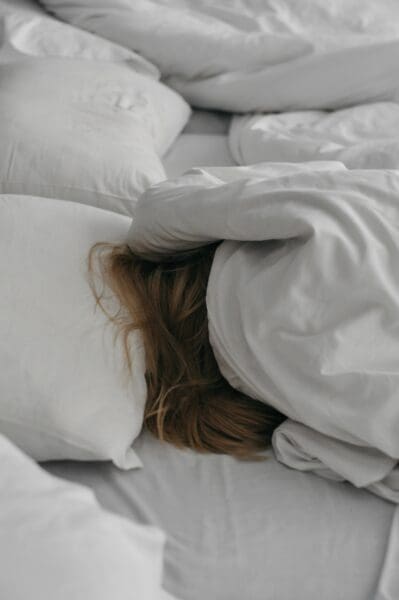
You might be waking up feeling more tired than when you went to bed, wondering how a full night under the covers can still leave you foggy, irritable, and dragging yourself through the day. Maybe your partner complains about your loud snoring, or they have watched you stop breathing for a few seconds at a time, and now they are worried in a way they do not always say out loud, and it may be time to talk to a Wichita Falls dentist.
Because of all this, you may feel caught between fear and frustration. You know something is not right, yet the idea of a bulky CPAP machine on your nightstand might feel overwhelming or unrealistic. You might be wondering if there is a gentler, more manageable way to breathe better at night and function better during the day.
That is where how sleep apnea appliances improve daily life really comes into focus. These small, custom oral devices can open your airway while you sleep, often with less noise, less equipment, and more comfort than you expect. The short version is this. By helping you breathe more steadily at night, oral appliances can lift the fog, improve your mood, protect your heart, and give your partner some peace and quiet too. They do not solve every case, but for many people they offer a practical, dentist-guided way to reclaim their days by changing their nights.
Why does untreated sleep apnea make daily life feel so hard?
Sleep apnea is not just snoring. It is a pattern of repeated breathing pauses during sleep. Your body senses those pauses as a threat and keeps pulling you out of deep sleep to get air. You may not remember waking up, but your brain and body do. The result is shallow, broken sleep that never quite restores you.
So what does that look like in real life? You might notice you fall asleep in front of the TV without meaning to. You snap at people you care about because everything feels like “too much.” Your memory feels slippery. You misplace your keys, lose track of conversations, or feel like you are thinking through mud at work. Driving can feel risky on a bad day because your eyelids are heavy at the wheel.
There is a deeper cost too. Untreated sleep apnea is linked with high blood pressure, heart disease, stroke, and type 2 diabetes. Your body is constantly stressed by low oxygen levels and sudden surges of adrenaline during the night. Over time, that strain can shorten your life, not just affect your mood.
On top of this, there is the emotional strain of sharing a bed or a room. Your partner might be scared when they hear you stop breathing, or resentful because your snoring keeps them awake. You might feel guilty or embarrassed, even though none of this is your fault. Because of this tension, you might wonder whether there is an option that helps both your health and your relationship.
Where do oral appliances fit between “do nothing” and a CPAP machine?
Many people first hear about sleep apnea in the context of CPAP therapy. CPAP uses a machine that blows air through a mask to keep the airway open. It can be very effective, yet some people struggle with the mask, the noise, or simply the feeling of being tethered to a device at night.
This is where oral appliance therapy for sleep apnea comes in as a middle path. These appliances are custom mouthpieces, usually fitted by a dentist who works with sleep physicians. They reposition your lower jaw or tongue slightly forward to keep your airway from collapsing while you sleep. They look a bit like a sports mouthguard, but they are made for comfort and long-term wear.
If you are wondering how such a small device could change your days, imagine this. Instead of being yanked out of deep sleep hundreds of times a night, your breathing stays more stable. Your body gets more oxygen. Your brain has a chance to reach the deeper, healing stages of sleep. You wake up less groggy. You think more clearly. Your blood pressure may improve. You feel less on edge with the people around you.
For a clear, patient-friendly overview of these devices, you can read this resource on oral appliances for sleep apnea from a leading thoracic society.
So where does that leave you if you are weighing your options? The truth is that oral appliances do not replace CPAP for everyone. They are usually best for people with mild to moderate obstructive sleep apnea, or for those who cannot tolerate CPAP. A sleep physician often confirms your diagnosis and severity, then a dentist trained in sleep medicine helps design and adjust the appliance.
What practical differences can an oral appliance make day to day?
When you hear about an oral device, you might picture something bulky or painful, yet most modern appliances are designed to be compact and adjustable. The changes people notice often show up in small, everyday moments.
You might find that you no longer need an extra cup of coffee just to feel awake by mid-morning. Your afternoons feel less like a wall you crash into and more like a normal part of the day. You catch yourself feeling less irritable in traffic or more patient with your kids. Your partner might say your snoring has quieted, or that they feel less anxious lying next to you because your breathing sounds calmer and more regular.
From a health standpoint, better sleep can support weight management, blood sugar control, and mood stability. It can also help lower the long-term risk of heart problems related to untreated apnea. A general dentist who understands sleep issues can work as part of your care team to adjust your appliance over time, checking your bite, jaw comfort, and symptom changes.
Research centers and hospitals have recognized the value of these devices as a legitimate treatment option. For more details on how oral appliances are used in practice, you can explore this overview of oral appliances for obstructive sleep apnea from a major medical center.
How do oral appliances compare with doing nothing or using CPAP?
When you are already tired, the idea of researching treatment options can feel exhausting. A simple comparison can help you see where a sleep apnea dental appliance might fit into your life.
| OPTION | WHAT IT INVOLVES | IMPACT ON DAILY LIFE | WHO IT MAY SUIT BEST |
| Doing nothing | No treatment. Ongoing snoring and apnea episodes continue during sleep. | Persistent fatigue, brain fog, mood changes, higher risk of heart and metabolic problems, strain on relationships. | Usually not recommended for anyone with confirmed sleep apnea. |
| CPAP therapy | Machine with mask that delivers air pressure to keep the airway open at night. | Can greatly reduce apnea events. Some people struggle with comfort, noise, or travel convenience. | Often first choice for moderate to severe sleep apnea if well tolerated. |
| Custom oral appliance | Custom mouthpiece fitted by a dentist to gently move the jaw or tongue forward. | Small, portable, usually quieter and easier for travel. Can reduce snoring and apnea, improving energy and mood. | People with mild to moderate apnea, or those who cannot tolerate CPAP, under guidance from a sleep physician and dentist. |
Seeing the options side by side can help you recognize that ignoring the problem keeps you stuck, while both CPAP and oral appliances offer paths toward clearer days and safer nights. The question becomes which approach feels most realistic and sustainable for you.
What can you do now to move toward better sleep and better days?
You do not have to solve everything overnight. A few focused steps can move you from worry into action.
1. Pay attention to your symptoms and your partner’s observations
Start by noticing what is actually happening. Do you wake with a dry mouth or morning headaches? Do you feel exhausted even after 7 to 8 hours in bed? Has anyone told you that you stop breathing, gasp, or choke in your sleep? Write these details down. If you share a bed or room, ask your partner what they see and hear. Their perspective can be very helpful and may confirm patterns you are too asleep to notice.
2. Talk with a medical provider about a sleep study
The next step is to bring your notes to a healthcare professional. This might be your primary care doctor or a sleep specialist. They can arrange a sleep study, either at a sleep lab or with a home testing device, to measure how often your breathing stops or slows. This information helps decide whether a CPAP machine, an oral appliance, or a combination makes sense for you. It also gives you a baseline so you can see how treatment changes your nights and your days.
3. Ask a general dentist about oral appliance options
Once you have a diagnosis, a general dentist who works with sleep apnea can evaluate your teeth, jaw, and bite to see whether an oral appliance is appropriate. They can explain what wearing one feels like, how it is adjusted, and how follow-up works. If an oral device is a good match, your dentist and sleep physician can coordinate care, monitor your progress, and make changes as your body responds. This team approach keeps the focus on what matters most. Your ability to live your days with more clarity and less strain.
Why your daily life is worth this effort
Sleep apnea can quietly steal years of good energy, clear thinking, and easy connection with the people you love. It can make every day feel heavier than it needs to be. The encouraging news is that you are not stuck with “just living with it.”
By exploring options like oral appliance therapy for sleep apnea with a trusted medical provider and a general dentist, you give yourself a real chance to sleep more deeply, wake more refreshed, and move through your days with more patience, focus, and calm. You deserve nights that restore you and days that feel manageable again. Taking the first small step toward treatment is not about perfection. It is about choosing a future where you are not constantly fighting your own exhaustion.