Making Thoughtful Home Improvements on a Budget

Ever looked around your house and wondered how it manages to feel both lived-in and somehow still under construction? You’re not alone. With rising living costs and a growing interest in sustainability, many Americans are trying to improve their homes without falling into debt or giving up avocado toast. The idea isn’t to chase perfection—it’s about making your space work better for your life without draining your wallet. Welcome to the age of practical upgrades and clever choices.
Why Home Improvements Matter More Than Ever
Home has taken on new meaning in recent years. Between remote work, hybrid schooling, and the general chaos of life, our houses are no longer just places we come back to—they’re where life happens. This shift has sparked a trend: functional, affordable updates that don’t require a contractor and a second mortgage. Even TikTok is in on it, with creators turning small improvements into viral content.
At the same time, inflation and housing shortages have made moving less appealing for many families. If you can’t afford to relocate, why not make the place you’re already in more livable? People are focusing on meaningful changes over cosmetic ones. The goal? A home that feels less like a source of stress and more like a quiet win in a loud world.
Start with Function Before Aesthetics
Before reaching for the paint samples or debating the merits of shiplap, take a step back and ask: What actually isn’t working in your home? Maybe your kitchen layout slows you down or your entryway feels like a black hole for backpacks and shoes. Start with fixes that improve your daily life, not just your Instagram grid.
One overlooked upgrade is garage door installation, especially for older homes. A functioning garage door doesn’t just protect your car or storage; it can boost energy efficiency and curb appeal in one go. And since many people use the garage as a main entrance, this upgrade pays off in convenience, too. Choosing an insulated model with quiet operation can reduce noise, save on heating bills, and eliminate that familiar metal groan every time someone leaves for work. It’s one of those investments that quietly transforms how your home works.
Rethink What “New” Actually Means
Americans are slowly letting go of the belief that everything needs to be bought brand new. The shift toward secondhand furniture, reclaimed wood, and even appliance rentals shows how resourcefulness is replacing retail therapy. It’s not just about saving money—it’s about choosing items with character and stories.
Thrift stores, estate sales, and Facebook Marketplace are goldmines for those willing to dig. You can find real wood furniture for a fraction of the price you’d pay at a big-box store, and with a little elbow grease, it’ll look like it walked out of a design magazine. Plus, fixing up something old gives a weird sense of pride, like beating capitalism at its own game.
Energy Upgrades That Actually Pay Off
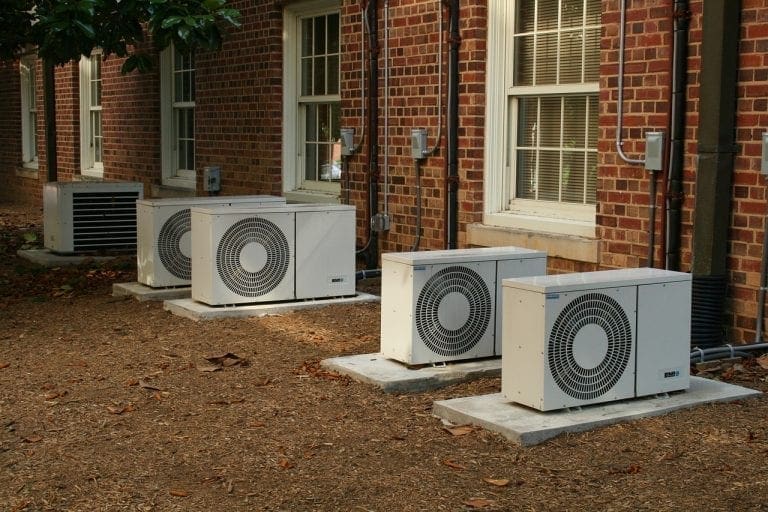
It’s not glamorous, but updating your home’s energy efficiency is one of the smartest uses of your budget. Think of it as the behind-the-scenes cast of a good movie—it’s what makes everything else work better. Start small with LED bulbs, smart power strips, and draft blockers. Then move toward bigger-ticket items like programmable thermostats or weatherproofed windows when you have room in the budget.
As utility prices climb across the country, these changes matter. They don’t just help the environment—they give you visible results on your monthly bill. That kind of satisfaction is hard to beat.
Make Peace with Small Projects
Not every improvement has to be a dramatic overhaul. Swapping out old cabinet handles, repainting a tired wall, or finally fixing that weird tilt in the bathroom mirror all count as progress. These “micro-upgrades” cost less, build momentum, and create a noticeable impact over time.
It’s tempting to wait until you can tackle everything at once, but life rarely hands us uninterrupted weekends and perfect budgets. Embrace the piecemeal approach. It’s slower, sure, but also more forgiving. And let’s be honest—half the fun is seeing your home evolve alongside you.
Lean Into Multi-Purpose Spaces
In a post-pandemic world, your home likely has to juggle a few roles. Maybe your dining room doubles as a home office, or your living room needs to become a gym by 6 a.m. The answer isn’t to add more space, but to use what you have more creatively.
Fold-away desks, rolling carts, and mounted shelves can add flexibility without requiring major renovations. These changes don’t just save money; they offer freedom. When your space can adapt to your needs, life feels less cramped and more intentional.
Go Green Without Going Broke
Sustainable home improvements don’t have to mean installing solar panels next week. There are budget-friendly ways to reduce your environmental impact and still have a stylish home. Start by choosing nontoxic paint, switching to compostable trash bags, or installing a rain barrel for your garden.
Even decorating with plants—yes, the cliché is real—can freshen up a space while improving air quality. Snake plants and pothos are inexpensive and hard to kill, which makes them ideal for forgetful plant parents. Going green isn’t about a big statement; it’s about daily choices that add up.
Involve the People Who Live There
Here’s the part many people skip: home improvement isn’t just about space. It’s about the people in it. Before tearing down a wall or painting over your kid’s mural, talk to your family or housemates. What bothers them most about the home? What makes them feel comfortable?
Creating a space that feels good for everyone helps avoid the “this looks great, but nobody uses it” outcome. Plus, involving others—whether it’s brainstorming or just giving them a paintbrush—builds shared pride in the result. That alone can make even the simplest improvements feel worth it.
If there’s one thing the past few years have taught us, it’s that our homes should be more than shelter—they should support how we live now. Big budgets aren’t required. Thoughtfulness is. When you stop chasing perfection and start solving real problems, your home becomes more than a project. It becomes a place that works for you, not just one that photographs well. And that, in today’s world, is a pretty remarkable achievement.