Maintaining Independence with Vision Aids for Macular Degeneration
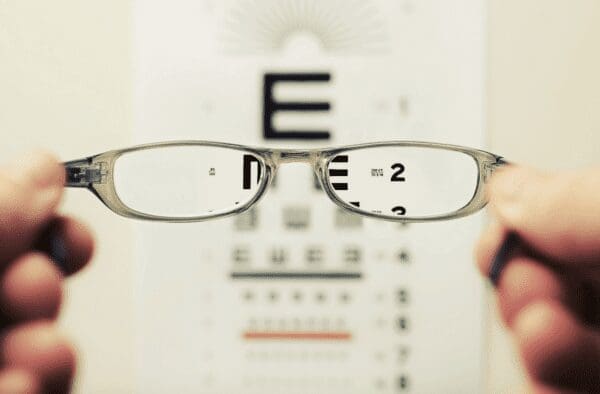
Macular degeneration is an eye disease that impacts central vision, making everyday activities like reading, driving, and recognizing faces more difficult. As the disease advances, vision aids for macular degeneration become crucial for maintaining independence and quality of life. The proper low-vision devices and supports can help maximize existing vision, ensure safety, and restore the ability to enjoy cherished hobbies and interests.
Understanding Macular Degeneration and Its Impact
The macula is the small, sensitive area of the retina responsible for sharp, straight-ahead vision. When it is damaged from age-related macular degeneration (AMD), patients lose clarity and detail in the center of their vision. While side peripheral vision remains unchanged, AMD makes fine details blurry and can eventually lead to blank spots or dark areas blocking the central field of view.
AMD symptoms tend to develop gradually. Early on, patients may have difficulty recognizing faces, watching television, reading books and computer screens, driving (especially at night), seeing small details, and performing other tasks that rely on clear central eyesight. As macular degeneration advances, these challenges become more severe and widespread, with vision loss that cannot be fully restored. However, progression could be faster for most people, spanning many years or decades.
While AMD only impacts central vision, vision aids for macular degeneration target making the most of peripheral eyesight. With the proper assistive devices, changes in activities, and vision rehabilitation, most people with macular degeneration can successfully adapt and maintain independence even with significant vision loss.
Magnification Tools
One of the primary approaches with low vision aids is magnification. By making text and objects appear more prominent, magnification enables people with impaired visual acuity to see things more clearly. Various magnification options are suitable for managing different tasks with central vision loss from macular degeneration.
Handheld Magnifiers
Handheld magnifying glasses are some of the simplest vision aids for macular degeneration. These portable magnifiers have built-in lenses that significantly enlarge text or objects around 2 to 20 times their standard size. They allow better visibility when reading labels, reviewing documents, inspecting materials, engaging in hobbies like sewing and crafting, and other close-up activities. Illuminated handheld magnifiers shine light directly onto surfaces for even better visibility.
Stand Magnifiers
Stand magnifiers are mounted onto a base to keep reading materials fixed and properly positioned. Many features include adjustable axes, extra light sources, and magnification power up to 40x for comfortable reading and inspection. Stand magnifiers come in various sizes – compact models handle short reading, while full-page designs allow sequential reading. There are also desktop video magnifier systems with a movable camera to display enlarged text on a monitor.
Electronic Video Magnifiers
More advanced electronic video magnifiers use a camera and digital display to zoom in up to 60x. They often connect to computers and televisions via HDMI, allowing enlarged viewing of books, mail, crafts, photos, and screens. Portable battery-powered models provide magnification on the go. While video magnifiers require some adjustment, they help read and manage detailed tasks.
Enhanced Lighting Solutions
Along with central blurriness, macular degeneration also comes with reduced contrast sensitivity. Improving lighting and reducing glare is critical to more effortless reading and navigation. Light adjustments enhance contrast so the text appears more defined on pages or signs that seem clearly distinguished from the surroundings. Those with low vision depend greatly on optimized lighting.
Task Lamps
Dedicated low-vision task lamps direct bright, focused light right where it’s needed most. Flexible gooseneck designs allow precise placement over reading materials, crafts, cooking, and anywhere that demands detailed visibility. Task lamps are slim books or compact lamps integrated into stands and electronic magnifiers.
Reduced Glare Products
Controlling glare is also essential as it washes out critical contrast needed to maximize remaining vision. Anti-glare filters for monitors and screens cut reflective light for better visibility. Similarly, polarized sunglasses, brimmed hats, and other glare-blocking products improve contrast outdoors. Even simple strategies like tilting reading materials to limit overhead light bouncing off the page can sharpen clarity significantly.
Writing and Reading Supports
From essential reading glasses to devices that convert text aloud, numerous supports are tailored to reading and writing with central vision impairment. These tools help in close-up and distant tasks so those with macular degeneration can continue enjoying books, letters, subtitles, and more.
Reading Glasses
While magnifiers are designed for extreme, short-duration close-ups, reading glasses allow more comfortable and longer-term viewing. Customized prescription lenses for individual needs provide the ideal clarity without strain at typical reading distances. Using weaker reading glasses leaves materials slightly blurry but more accessible to the eyes over extended periods.
Book Holders
Book holders and stands keep reading materials propped up at an optimal angle and distance to maximize usable vision. Hands-free book holders allow comfortable, sustained reading without continually repositioning. Some models, like the Flex Clamp Book Holder, also keep pages tightly pressed flat for crisper text.
Devices for Audiobooks & Audio Navigation
When magnification no longer allows readable text, audiobooks become invaluable substitutes. Similarly, text-to-speech apps, screen readers, talking watches, and other audio devices provide valuable alternatives to accessing written information. They allow continued enjoyment of literature and access to essential signage when visual reading ability has declined.
There are also accessible GPS apps that provide spoken audio navigation guidance to pedestrians with visual impairment. Smartphone tools like Be My Eyes connect users with sighted volunteers who provide visual assistance for typical requests.
Writing and Correspondence Aids
Composing written materials with progressive vision loss requires some adaptive techniques and tools. But with the right vision aids for macular degeneration, handwriting, typing on keyboards, filling out forms, and all types of writing tasks remain achievable.
Bold Line Paper
Bold line paper features extra dark, broad rule lines spaced strictly for manual lettering. The high contrast guides handwriting neatly across the page in straight, uniform rows for legible finished texts. Place markers also help orient on specific lines.
Writing Guides
Plastic writing guides, templates, and portable grids provide tactile borders to steer penmanship and run fingertips along while writing. Some feature cutout windows with center guidelines that create a targeted field focused right at eye level. This isolates the critical writing area from busy backgrounds during the stroke-making process.
Typing & Writing Aids
From enlarged keyboards to braille labelers, there are numerous typing and handwriting aids for low-vision users. Keyboard stickers with high-contrast colors and large print letters support accurate typing. Talking pens read pen movements aloud to identify written words. Check writing guides provide alignment for filling out stationary checks. Signature guides assist in signing documents in the correct location.
Mobility Devices for Safety & Navigation
Navigating safely with impaired central vision depends significantly on maximizing peripheral sidelight through lighting adjustments and magnification while moving. It also requires adaptive tools and techniques providing audio, tactile, and other alerts that do not rely solely on eyesight.
Canes & Walking Aids
Among the most critical low-vision aids are white canes and other travel devices supporting safer walking and mobility. They provide critical tactile feedback alerting users about dropped curbs, uneven pavement, obstructions, and other hazards, even with severe vision loss. Canes also help gauge traffic before road crossings. Some advanced electronic travel canes even use ultrasound sensors that speak about surrounding obstacles.
Service Animals
Guide and service dogs are perfectly matched companions explicitly trained to support handlers who are blind or have low vision. They attend to surrounding dangers, provide stability, retrieve dropped items, and conduct other sighted tasks that foster safe, independent travel and mobility.
Accessible Household Alerts
Adaptive household safety tools provide alerts tailored to those with limited eyesight. Talking kitchen tools and appliances give audible inputs and alerts to replace visual cues and monitor settings. There are also accessible smoke detectors and carbon monoxide monitors that use flashing bright lights, bed shakers, and loud, high-pitched audio alarms perfect for those less likely to notice traditional warnings.
Living independently and safely despite progressive vision loss relies significantly on using the appropriate vision aids for macular degeneration. Most daily activities can continue undisturbed with magnifying, adaptive lighting, reading, and writing devices tailored to central vision impairment. Receptive vision rehabilitation training is invaluable for learning new ways of maximizing remaining functional vision. By actively working with low-vision specialists, patients can utilize assistive devices to their full potential in adapting to macular degeneration.