How to Promote Healthy Habits in Children

Guiding children to build healthy habits is one of the most impactful things a caregiver can do for their future. The choices they make now, whether related to eating, physical activity, or stress management, are likely to influence them throughout life. By consistently modeling and reinforcing positive practices, parents set children on the path to lasting well-being. For expert insights, Dr. Amanda Pennington, Family Physician, emphasizes the importance of introducing healthy habits early and maintaining a supportive home environment.
Instilling these habits doesn’t have to be a struggle. Simple strategies, such as making mealtimes inviting, keeping routines consistent, and prioritizing communication, can transform daily activities into opportunities for learning and growth.
Encouraging Nutritious Eating Habits
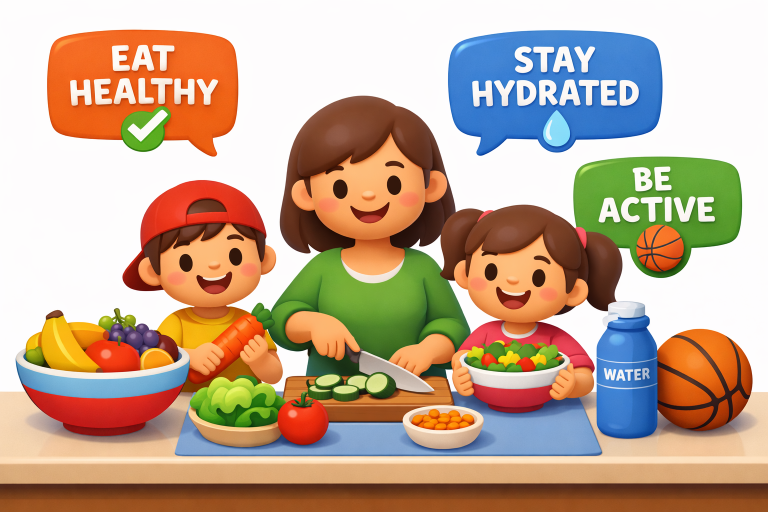
Children naturally observe and mimic the eating patterns of those around them. Introducing a variety of fruits, vegetables, whole grains, and lean proteins helps children develop an appreciation for wholesome foods. To make these healthy options appealing, involve kids in meal planning and preparation. Letting them select ingredients or help with simple kitchen tasks fosters positive associations with nutritious eating. Parents can also consult a Rock Hill primary care provider for guidance on portion sizes, nutrient needs, and strategies to encourage healthy eating habits. Present choices when possible, such as allowing them to choose between carrots and cucumbers for a snack.
Moreover, the emotional context of meals matters. Avoid pressuring children to clean their plates or using dessert as a reward, which can create unhealthy relationships with food. Instead, strive to make family mealtimes relaxed and focused on conversation.
Promoting Regular Physical Activity
Consistent movement is vital for healthy growth and development. Children should be encouraged to engage in at least 60 minutes of moderate-to-vigorous physical activity daily. Activities can range from biking and dancing to team sports and backyard games. Making movement a fun, shared experience increases the likelihood that children will view exercise as enjoyable rather than a chore.
Integrating variety into physical activities helps keep things interesting and allows kids to discover what they enjoy most. Regular physical activity not only strengthens muscles and bones but also supports cognitive function and emotional health.
Limiting Screen Time
The digital world has become a central part of modern childhood, but setting healthy limits on screen time is essential. Excess screen use is linked to poor sleep, weight gain, and impaired social interaction. The American Academy of Pediatrics recommends limiting recreational screen time to one to two hours per day.
Establishing routines, such as no screens at the dinner table or before bedtime, creates clear expectations and boundaries. Encouraging alternative activities, such as reading, playing outdoors, or working on crafts, can help children discover new interests. Setting an example by putting away your own devices during family time reinforces the message that face-to-face interactions are valuable.
Ensuring Adequate Sleep
Good sleep is the foundation for healthy growth, learning, and emotional resilience. Children require different amounts of sleep at different stages of development, and establishing a consistent bedtime routine supports natural sleep-wake cycles. Creating a calm, sleep-friendly environment, dim lights, quiet surroundings, and a regular bedtime can help signal to children that it is time to wind down for the day.
Modeling Healthy Behaviors
Children absorb far more from what adults do than from what they say. Demonstrating healthy habits yourself, such as choosing balanced meals, exercising regularly, and managing stress in constructive ways, provides a powerful blueprint for kids to follow. Make family health a priority by planning active outings together, trying new foods as a group, or establishing screen-free evenings. When health is positioned as a shared value, children are more likely to internalize these practices into their own routines.
Fostering Mental Well-being
Emotional health is just as crucial as physical health. Encourage open conversations about feelings, and let children know it is normal to experience ups and downs. Teaching practical coping skills, such as deep breathing, mindfulness exercises, or expressing emotions through art, can empower children to manage stress effectively. Family discussions, even informal ones around the dinner table, provide a supportive space for kids to share their experiences and seek advice.
Final Thoughts
Overall child well-being depends on a balanced approach that combines nutritious food, regular physical activity, prudent screen habits, sufficient sleep, and emotional support. By leading through example, maintaining open communication, and providing consistent structure, parents and caregivers can set children up for a lifetime of healthy choices and happiness.