Purlin Installation: Don’t Make These 7 Mistakes
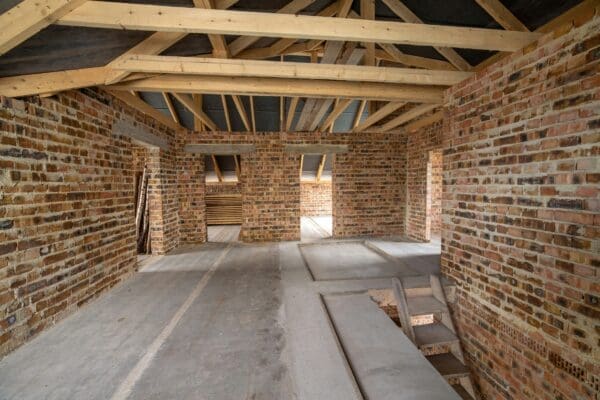
Purlins are a crucial part of many construction projects. However, if you don’t work in the industry, you may not be familiar with them.
Assuming you work in construction, and you know you’re going to need some purlins, it’s helpful to have a reliable supplier. There are companies that have C purlins for sale priced at a point that works for most individuals who need them in bulk. Presumably, that’s what you’re looking for if you have a construction project coming up, though you should check out the online reviews of such companies before you buy as well.
Once you have your purlins, you will want to avoid making any of the mistakes on this list.
What Exactly is a Purlin?
Before we get into the mistakes you’ll want to avoid involving purlins, let’s briefly define this term to be sure that readers know what we mean when we use it. A purlin is a piece of construction material that is instrumental in the creation of many roofs.
They are horizontal structural beams. They will usually go into a roof’s framework. You might have seen them if you’ve sat in the stands in a football stadium, even if you didn’t necessarily know what to call them.
Incorrect Measurements
Even if you know little about the construction industry, you probably understand that it is a niche requiring a great deal of precision. Math and science are its backbone.
You must have an architect plan every aspect of a building’s construction, and that includes ones that require purlins to hold up the roof. That means you must measure the dimensions of the purlins correctly to be sure you have ones that are the right size.
By the time you get to the point where you have ordered the purlins, you should be certain that you’re getting correctly sized ones. The wrong size purlins won’t help you and can cause a disaster if you try to install them.
Skipping Your Pre-Installation Checks
The pre-installation phase of any major construction project is one that you can’t overlook. It is during this phase that you look over all your supplies, the paperwork that gives you permission to tear down or to build structures, and the timeline to which you’d like to adhere.
This is also the time for you to inspect your purlins. Look each of them over and see whether you can spot any structural flaws. Inconsistent galvanization, cracks, or bends are all potentially dangerous, and noticing them before the project begins is always to your benefit.
Ignoring Crucial Aspects of the Supporting Structure
When you install purlins, they need to have the right support structure in place. This is one of the most basic elements of installing a roof for a large building.
Your building plans should have a support structure in place that has been approved by everyone applicable who is associated with the project. If you have an out-of-level or uneven support structure, you need to fix that before you install the purlins. If you move forward with an improper support structure, you risk the roof collapsing and potentially injuring someone.
Not Having Adequate Bracing in Place
With something as crucial to the construction of a building as a purlin, there must be adequate bracing in place. The structural integrity of the whole building depends on it.
There are acceptable methods of bracing purlins and others that won’t get the job done. Without the right setup of sag rods and bracing, a purlin can bend or even snap. That becomes even more true if you have a particularly large one that spans a considerable distance.
Your construction project’s plans should have bracing in place. If they don’t, then you need to go back and retool them.
Using the Wrong Fasteners
Fasteners work with purlins to connect them to other roof elements. In the construction industry, there are types of fasteners that are considered ideal for purlins and that will work in concert with them when it comes to major projects or structures.
If you use the wrong fastener or you don’t tighten some correctly, that’s another purlin-related mistake that can have serious or deadly consequences. When you hire an architect to create the building plans, they should know not only what type of purlins are best for this kind of project, but also the accompanying fasteners.
While not having the fasteners tight enough can be a serious error, overtightening them is no better. Doing so can warp the purlin, so watch out for that as well.
Misalignment Issues
One universality of purlins is that they need to be installed in a straight line. That is true of virtually any type of building where you will use this construction element.
This is how you maintain the roof’s slope. They must also be in a straight line to ensure that you have an even load distribution.
If you’re looking at a misalignment issue with your purlins, that can lead to a sagging roof or uneven loads. The building inspection will determine that the project has been a failure, and you will be required to correct the problem before the structure is usable.
Improper Spacing
Improper spacing of purlins is one additional factor that might come into play if you don’t have the best construction plan for your building. There are manufacturer specifications that you can look at with virtually any purlin that will make clear what you should and shouldn’t do with them. However, if you hired an architect who knows what they’re doing, then they should be privy to this information without ever needing to look at the purlin manufacturer’s instructions.
Too little space in between purlins can waste materials, while too much space in between can lead to catastrophic roof failure. You don’t want either to happen, so be aware of this potential issue.
If you can avoid these mistakes, you should be able to use your purlins effectively and create a building that perfectly matches what you had in mind.
Similar Posts:
- Essential Upgrades for Home Exterior and Infrastructure
- Building Success with Top Commercial Construction Companies
- Top 10 Post-Construction Cleaning Services in the United States
- First 3D-Printed Homes to Rise in Dholera as The GB Group–Nestoria Joint Venture Ushers in a New Era of Construction
- Residential Construction Best Practices: A Homeowner’s Guide to Success