How to Choose the Right Rigging Hardware for Heavy-Duty Lifting
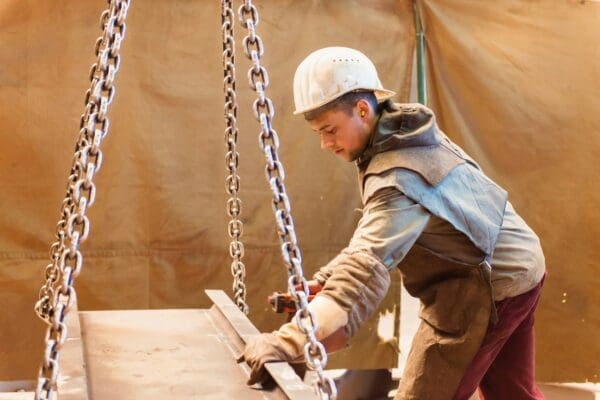
Choosing the proper rigging hardware is fundamental to ensuring safety, reliability, and efficiency in heavy-duty lifting operations. The hardware you select is more than just a tool for moving material; it is a frontline defense against injury and property damage. The right selection protects both personnel and materials, reducing downtime and enhancing productivity. Especially for those sourcing specialized gear such as fall protection equipment Little Rock businesses depend on, understanding the key considerations in rigging hardware selection is essential for every job site. Whether it involves lifting high-value industrial machinery or structural steel beams, the importance of the right rigging hardware cannot be overstated. The wrong choice can result not just in financial loss but also in catastrophic safety incidents that could have otherwise been avoided through careful planning.
Proper rigging starts long before a lift begins. Decisions about equipment must be tailored to the load, the lifting environment, and industry requirements to ensure that nothing is left to chance. Each load presents its own challenges, whether due to size, shape, or sensitivity of the materials, all of which must be evaluated in advance. Mistakes or oversights can lead to costly accidents, equipment failure, or reduced equipment lifespan. By investing the time to learn what factors most influence rigging hardware decisions, organizations safeguard both people and property. It is crucial to consider not only the immediate needs of a job but also the long-term durability and serviceability of the chosen hardware, as these investments can deliver lasting returns in safety and performance.
Understanding Load Requirements
Every heavy-duty lifting operation starts with a detailed load assessment. The load’s weight, shape, and the location of its center of gravity all affect what type of hardware will work safely. While some loads may have a clear and simple weight distribution, others are more complex and require advanced calculations. For example, an unevenly shaped load may require hardware that can be adjusted or repositioned to balance it, while a load with hidden or shifting weight may require additional redundant components. According to OSHA guidelines, all rigging must be correctly rated for the weight being lifted and for the most demanding lifting angle expected during the operation. In some cases, the planned lift may be altered by unforeseen circumstances, such as wind or crew changes. Being conservative in your weight and angle calculations, always rounding up rather than down, provides extra assurance that the hardware will perform as expected, even when confronted with unexpected challenges.
Types of Rigging Hardware
Different jobs demand different rigging components, each with unique strengths and potential weaknesses. The main types of rigging hardware used in lifting operations include:
- Shackles: These U-shaped metal connectors attach slings, hooks, or chains to loads. Choices range from anchor shackles to chain shackles, each designed for a specific application or load type. High-strength shackles are common for critical lifts, while lower-rated shackles may suffice for lighter or less hazardous tasks.
- Slings: Slings support and maneuver loads, and come in several forms. Wire rope slings offer high strength and abrasion resistance, ideal for sharp-edged or abrasive materials, while synthetic or fabric slings provide flexibility and protection for delicate surfaces. Chain slings offer unmatched durability in high-heat or rugged environments where other types may fail.
- Hooks: Crucial for joining slings to loads or rigging points, hooks should have secure latches and a sufficient rating for the intended weight. Safety hooks are especially important where accidental disengagement could cause catastrophic loss of control. Certain hook designs feature spring-loaded latches or locking mechanisms to provide extra security.
Additional components, such as turnbuckles, links, and eye bolts, may be required to complete a rigging system tailored to complex or oddly shaped loads. Each piece must be individually evaluated and professionally maintained to ensure ongoing reliability and compliance with job site standards.
Material Considerations
The material composition of rigging hardware affects its strength, weight, and corrosion resistance, which can dramatically influence the long-term cost-effectiveness of your investment. The most commonly used materials include:
- Alloy Steel: Preferred for its high load capacity and durability, alloy steel is often heat-treated for additional toughness. However, untreated steel is vulnerable to rust and corrosion, especially outdoors or in humid locations. Regular inspection and proper storage are essential to prolong its life.
- Stainless Steel: Offers both strength and enhanced corrosion resistance, making it the top choice in marine settings or where exposure to moisture is unavoidable. Stainless steel hardware is also less likely to be affected by extreme temperatures, making it suitable for both indoor and outdoor use.
- Synthetic Materials: Lightweight and extremely flexible, synthetic straps and slings are suitable for jobs where equipment needs to be easily maneuvered, but their load capacities are generally lower than metal equivalents. Synthetic options are also less likely to damage finished surfaces or delicate items.
When choosing materials, consider the operating environment and the cost of long-term maintenance. It is often better to invest in higher-quality hardware at the outset, especially for frequent or critical lifts.
Working Load Limit (WLL)
Every piece of rigging hardware comes with a specified Working Load Limit (WLL), the maximum force it is engineered to safely support. The WLL is determined through rigorous testing and provides a safety buffer beyond the nominal breaking strength. Always ensure that the hardware’s WLL is higher than the calculated maximum load. According to Safety+Health Magazine, failing to respect WLL ratings is a leading cause of workplace rigging injuries. Oversight in this area can result in hardware failure, property damage, or personal injury. It is good practice to document all WLL ratings for each piece of hardware and to clearly communicate these limits to every member of the lifting team. Where possible, select hardware with WLLs comfortably above your expected loads to account for dynamic forces such as swinging, sudden stops, or shifting loads during the lift.
Environmental Factors
Different operating environments present distinct risks for rigging hardware, with even minor atmospheric variations potentially carrying major consequences for safety and hardware longevity:
- Temperature Extremes: Excessive heat can weaken metals and degrade synthetic rigging materials. Heat can alter the metal’s crystal structure, reducing durability and increasing the chance of failure under sudden loads. Cold temperatures may cause materials to become brittle, altering load ratings or increasing the risk of breakage. Pre-lift planning should always include a weather and temperature assessment, especially for outdoor projects.
- Corrosive Atmospheres: Working near saltwater or chemicals accelerates rust and corrosion in untreated steel. It is best to use galvanized or stainless steel in these situations for added longevity. Protective coatings or wraps may provide some additional resistance but require regular inspection as they wear over time.
Other environmental considerations include UV exposure, which can degrade certain synthetics, and dirt, which can clog or abrade mechanical parts. All of these must be factored into your selection, storage, and maintenance plans.
Inspection and Maintenance
Routine checks and prompt maintenance are non-negotiable in rigging. Each piece of hardware should be thoroughly examined for cracks, corrosion, or visible wear before and after each use. Defective components must be withdrawn from circulation to prevent accidents. Adhering to a documented inspection schedule, as recommended by industry groups like ASME, can dramatically reduce the risk of failure. Visual inspections should be complemented by periodic in-depth testing, particularly for hardware subject to heavy use or harsh conditions. Training staff on proper inspection techniques is as important as the inspection itself, ensuring that even subtle defects are caught early. Regular cleaning and lubrication can significantly extend the lifespan of metal components, while storage in dry, shaded areas helps preserve synthetics and metals alike.
Compliance with Standards
Construction, industrial, and manufacturing worksites are governed by both national and industry-specific safety standards. To comply, ensure all rigging hardware meets or exceeds the requirements of OSHA, ASME, and other relevant agencies. Verified, certified hardware helps avoid legal penalties and reinforces a culture of safety on every project site. Manufacturers typically provide certificates of compliance, which should be retained as part of your equipment records. More information on this can be found on the NFPA website. Staying current with evolving standards is vital, as new guidance and technological advances can affect what is considered safe and effective in your industry.
Final Thoughts
Optimal rigging hardware selection is a blend of engineering, regulation, and practicality. By evaluating the load, assessing environmental hazards, selecting suitable materials, and following WLL guidelines, you can facilitate safer, more efficient lifting operations. Routine inspections and strict compliance with safety standards complete the blueprint for success in heavy-duty lifting jobs. Ultimately, investing in knowledge and top-quality equipment provides peace of mind, ensuring each lift is performed to the highest standards of modern industry.