How to Choose the Right Backpack Size for Elementary School Kids (Without Overspending)
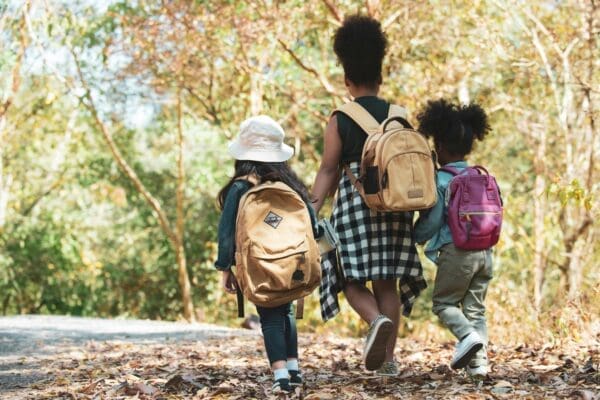
Buying a backpack for elementary school sounds simple, until your child comes home complaining about sore shoulders, lost papers, or a bag that feels “too big” or “too heavy.”
The good news?
Choosing the right backpack size doesn’t require buying the most expensive option. It requires knowing what actually fits, what kids really need, and what to skip.
This quick guide walks through the basics so you can protect your child’s back and your budget.
Why Backpack Size Matters More Than Brand
For elementary kids, backpacks might only be worn for short stretches, but they’re used every single day, and a poor fit adds up fast.
When a backpack is too large:
- Kids overfill it “just in case”
- Weight sits too low or pulls backward
- Straps dig into shoulders
- Organization becomes harder, not easier
A properly sized backpack helps kids carry only what they need and makes daily routines smoother.
What Most Elementary Kids Actually Need to Carry
Before shopping, it helps to think realistically about daily use.
Most kids in grades 3–5 usually carry:
- One or two binders or folders
- A notebook or planner
- A pencil case
- Lunchbox or snack container
- Water bottle
- Seasonal extras (hat, gloves, light hoodie)
If your child is hauling sports gear every day, that’s different, but for most families, less is more.
Recommended Backpack Size for Grades 3–5
So what does “right-sized” actually mean?
For most elementary students, a backpack in the 15–19 liter range works best.
This size:
- Fits standard folders and binders
- Doesn’t overwhelm smaller frames
- Encourages kids to pack only essentials
- Works well with school lockers and cubbies
Not sure what 15–19 liters looks like? A visual guide to backpack size for grades 3–5 can help, but honestly, if the backpack passes the fit checklist below, you’re on the right track.
Fit Checklist (Takes 30 Seconds at Home)
You don’t need a fitting expert just a quick 30-second check:
- The backpack should sit high on the back, not sagging below the hips
- The bottom should land a few inches above the waist
- Shoulder straps should feel snug, not tight
- When loaded, the bag shouldn’t pull your child backward
If your child leans forward while walking, the backpack is likely too heavy or too large.
Features That Matter (and What You Can Skip)
What actually helps:
- Lightweight materials
- Adjustable shoulder straps
- A simple internal divider or organizer
- A flat, structured back panel
What you can skip:
- Excess pockets that add weight
- Hard plastic frames for young kids
- Trend-driven designs that sacrifice fit
Simple designs are often easier for kids to manage and usually cost less.
How to Avoid Overspending
Backpacks for elementary school don’t need to be replaced every year if you choose wisely.
Money-saving tips:
- Buy the right size now, not “to grow into”
- Skip oversized bags even if they’re on sale
- Focus on comfort and fit over branding
- Check weight before adding accessories
A backpack that fits well now will outlast three trendy ones.
Final Thoughts
Choosing the right backpack size for elementary school kids is about fit, function, and restraint – not hype.
When backpacks fit right, kids are more comfortable, carry less, and stay more organized.
And for parents, that often means fewer complaints, fewer replacements, and fewer surprises during the school year.