
How Smart Thermostats Revolutionize Residential Temperature Control and Energy Savings
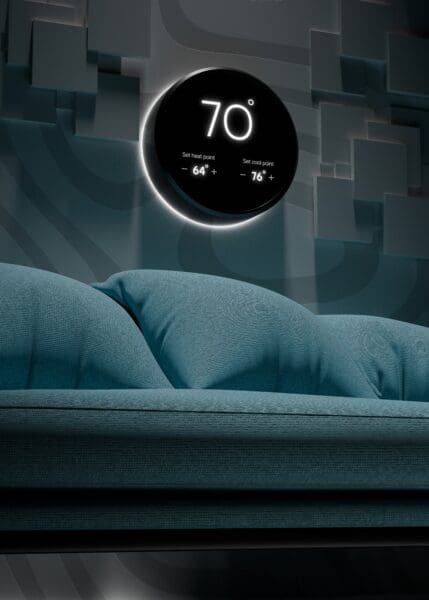
Homeowners today expect more from their heating and cooling systems than simple temperature adjustment. Comfort, energy efficiency, convenience, and indoor air quality have become top priorities as utility costs continue to rise. Smart thermostats have transformed residential HVAC management by allowing homeowners to optimize energy use, automate climate control, and monitor system performance with greater precision than traditional programmable thermostats ever offered.
Many homeowners researching heating and air Murfreesboro, TN, are discovering that installing a smart thermostat is one of the most cost-effective ways to improve HVAC efficiency. These advanced devices communicate with compatible heating and cooling systems, automatically adjusting temperatures based on occupancy, schedules, weather conditions, and user preferences. The result is greater comfort, lower utility costs, and reduced wear on HVAC equipment throughout the year.
Smart Thermostats Go Beyond Basic Temperature Control
Unlike conventional thermostats that simply turn heating or cooling systems on and off, smart thermostats use advanced technology to make intelligent operating decisions throughout the day.
Learning Household Routines
Many smart thermostats analyze occupancy patterns and daily habits over time. They automatically create heating and cooling schedules based on when residents are typically home, asleep, or away. This automation reduces unnecessary HVAC operation while maintaining comfortable indoor temperatures without requiring constant manual adjustments.
The ability to adapt to changing schedules also helps homeowners maximize energy savings without sacrificing comfort.
Energy Efficiency Starts With Smarter Operation
One of the greatest advantages of smart thermostats is their ability to reduce wasted energy while maintaining consistent indoor comfort.
Automatic Energy Optimization
Smart thermostats minimize unnecessary heating and cooling by adjusting temperature settings during unoccupied periods. Instead of running continuously, HVAC systems operate only when needed, reducing electricity and fuel consumption throughout the year.
Many homeowners who upgrade heating and air Murfreesboro, TN, systems choose smart thermostat integration because it improves efficiency while extending equipment lifespan through reduced operating hours.
Remote Access Improves Convenience
Modern homeowners appreciate the ability to control indoor temperatures from virtually anywhere using smartphones or tablets.
Manage Comfort Anytime
Whether traveling, working late, or returning home early, remote access allows users to adjust thermostat settings instantly. Homeowners can increase cooling before arriving home during summer or warm the house before returning on cold winter evenings.
This flexibility improves comfort while preventing unnecessary energy use when the home is vacant.
Smart Scheduling Reduces Utility Bills
Creating efficient temperature schedules has traditionally required manual programming, but smart thermostats simplify this process considerably.
Customized Daily Scheduling
Users can establish weekday and weekend schedules while allowing the thermostat to make automatic adjustments based on occupancy. Some systems even recognize when residents leave home by using smartphone location services.
These scheduling capabilities contribute to lower monthly energy expenses without requiring constant homeowner involvement.
Benefits of Smart Thermostats:
- Lower monthly utility bills
- Improved indoor comfort
- Remote smartphone access
- Automatic scheduling adjustments
- Better HVAC efficiency
- Reduced equipment wear
- Energy usage reports
These features make smart thermostats valuable upgrades for nearly every household.
Smart Thermostats Support Better Indoor Air Quality
Temperature control is only one part of creating a healthier indoor environment. Many smart thermostats also help optimize ventilation and humidity management.
Supporting Healthier Air
Some advanced models monitor indoor humidity while coordinating with whole-home humidifiers, dehumidifiers, ventilation equipment, and air purification systems. Better humidity balance helps reduce mold growth, airborne allergens, and indoor discomfort.
Improved HVAC operation also enhances airflow, contributing to healthier living conditions throughout the home.
Energy Reports Help Homeowners Make Better Decisions
One of the most valuable smart thermostat features is detailed energy reporting.
Understanding HVAC Performance
Monthly and seasonal energy reports show homeowners how much energy their HVAC systems consume and identify opportunities for additional savings. Some systems even provide personalized recommendations based on usage patterns and local weather conditions.
These insights allow homeowners to make informed decisions about temperature settings and future HVAC improvements.
Smart Technology Protects HVAC Equipment
Reducing unnecessary system operation not only lowers utility bills but also helps preserve valuable HVAC components.
Less Wear Means Longer Lifespan
Frequent cycling places stress on compressors, blower motors, and electrical components. Smart thermostats optimize operating cycles to reduce unnecessary runtime while maintaining consistent indoor comfort.
By minimizing excessive operation, homeowners often experience fewer repairs and longer equipment service life.
Integration With Smart Home Systems
Many smart thermostats work seamlessly alongside other connected home technologies.
Expanding Home Automation
Voice assistants, smart sensors, automated blinds, lighting controls, and energy management platforms can all interact with compatible thermostats. These integrated systems create a more responsive and efficient home environment while simplifying daily living.
Future software updates also allow many smart thermostats to gain additional capabilities without replacing hardware.
Professional Installation Maximizes Performance
Although some smart thermostats appear simple to install, a professional setup ensures compatibility with existing HVAC equipment.
Why Professional Guidance Matters
HVAC technicians verify wiring compatibility, configure equipment settings, update system software, and optimize programming for maximum efficiency. They also educate homeowners on using advanced features that may otherwise remain underutilized.
Proper installation ensures accurate temperature readings and dependable communication between HVAC components.
Ideal Homes for Smart Thermostats
Most residential properties can benefit from smart thermostat technology, especially homes with modern heating and cooling systems.
Who Benefits Most
Families with changing schedules, remote workers, vacation homeowners, and anyone seeking lower energy costs often experience significant advantages after upgrading. Even households with older HVAC systems may see noticeable efficiency improvements when compatible smart controls are installed.
As energy prices continue rising, intelligent climate management becomes an increasingly valuable investment.
Future Ready Homes
Smart thermostats have revolutionized residential temperature control by combining automation, energy efficiency, remote accessibility, and intelligent system management into one powerful device. Their ability to learn household routines, optimize HVAC performance, reduce utility bills, and improve indoor comfort makes them one of the most practical home technology upgrades available today. When professionally installed and paired with regular HVAC maintenance, smart thermostats help homeowners maximize system lifespan, enhance indoor air quality, and create a more comfortable, energy-efficient living environment for years to come.