How Much Does It Really Cost to Install Hardwood Flooring?
Hardwood flooring brings sophistication and lasting value to your home, but estimating the true cost of installation is essential before starting your project. Understanding the various expenses, including material selection, labor, and extra services, will help you budget accurately and avoid financial surprises. To get a deeper sense of the installed hardwood floor cost, review all the influencing factors so you can choose options that align with your financial plans.
Installation costs for hardwood floors depend on several components, such as the type of wood, the complexity of your room layout, and the necessary preparation or finishing work. Homeowners should explore these details to make informed decisions that balance both aesthetics and practicalities. Whether you want to enhance your property’s resale value or enjoy a stunning new look underfoot, taking the time to assess all costs can help you maximize your investment.
Besides upfront pricing, you will need to weigh the benefits of hiring professional installers versus tackling the job yourself. Additional considerations, like existing floor removal, subfloor preparation, and finishing, may seem minor, but they can impact your overall expenditure.
Proper planning and knowing where you can save will ensure your project remains on track. By exploring multiple options and getting quotes from experienced installers, you can achieve the hardwood look you want while keeping costs reasonable.
Average Costs of Hardwood Flooring Installation
The typical range to install hardwood flooring is $2,500 to $7,000, with an average national spend of about $4,723. This figure includes both materials and labor. Your final cost can be higher or lower depending on factors like wood type, square footage, and complexity of the job. For most projects, expect material costs to account for about 50 percent of your total expenses, while labor and necessary services, such as floor preparation, make up the rest. According to information from Forbes Home, understanding the breakdown helps you avoid being caught off guard by hidden or variable costs.
Factors Influencing Installation Costs
Multiple variables will influence the amount you pay for hardwood flooring installation. These factors include:
- Room Size: Larger spaces lead to greater material and labor requirements, increasing overall costs.
- Wood Type: Domestic hardwoods usually cost less than exotic species, which can be much pricier.
- Installation Complexity: Custom patterns like herringbone layouts or borders require more precise effort and skill from contractors, affecting labor rates.
- Geographic Location: Labor rates, as well as local supply and demand, can cause prices to fluctuate by region.
Material Costs: Types of Hardwood
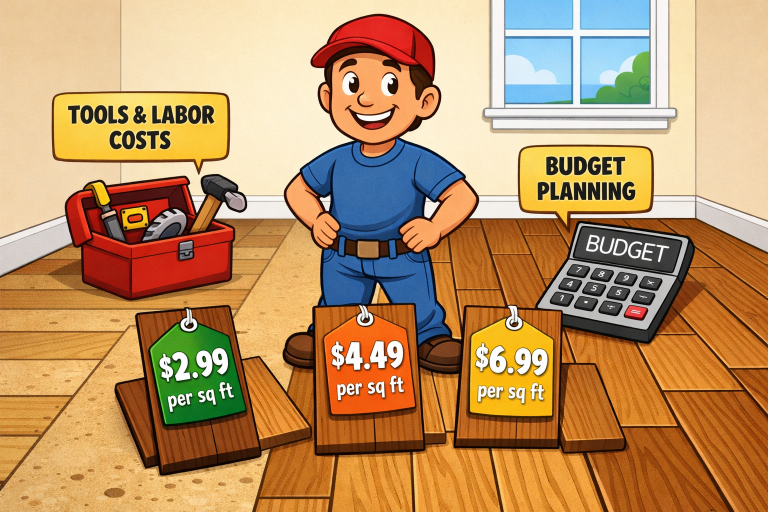
Your choice of hardwood plays a significant role in your overall budget. Below is a comparison of average material prices per square foot for common wood types:
- Oak: $5 to $12
- Maple: $4 to $15
- Hickory: $6 to $14
- Exotic Woods (such as Brazilian Cherry): $9 to $15
These figures are strictly for the wood itself. Remember, the final installed price will include preparation, labor, and finishing.
Labor Costs and Considerations
Labor costs generally range from $3 to $6 per square foot, but the final total can increase based on the condition of your home and project scope. The following issues can drive up labor expenses:
- Subfloor Condition: If the subfloor requires repairs or leveling, labor time and costs go up.
- Installation Method: Nail-down, glue-down, or floating installations each have different labor intensity. Intricate methods may require more time and expertise.
- Installer Experience: More skilled professionals may charge higher fees but typically guarantee better results and fewer costly mistakes.
Requesting detailed quotes from several reputable contractors is the best way to gauge local labor rates and ensure quality workmanship.
Additional Expenses to Consider
Hidden or overlooked costs are common with home improvements. For hardwood floor installation, be prepared for these extra charges:
- Removal of Existing Flooring: This ranges from $1 to $3 per square foot, depending on the old material and the difficulty of removal.
- Subfloor Preparation: The need for leveling or repairing the base layer can increase costs substantially.
- Finishing and Staining: If your flooring is not prefinished, expect to pay more for sanding, sealing, and staining once the boards are in place.
The national average for unforeseen expenses highlights the importance of having a contingency line in your home improvement budget.
Tips for Saving on Installation Costs
There are several ways to trim your project total without sacrificing quality:
- Choose Domestic Woods: These are typically more affordable than imported or exotic varieties, plus they often incur lower shipping or delivery fees.
- Schedule During Off-Peak Seasons: Contractors may offer discounts during periods of lower demand, leading to lower labor rates.
- Collect Multiple Quotes: Comparing estimates from different companies encourages competitive pricing and may uncover better value or workmanship guarantees.
Investigating discounts and being mindful of seasonal trends will make it easier to secure a quality installation for less.
DIY vs. Professional Installation: Pros and Cons
Some homeowners opt to install hardwood themselves in an effort to reduce costs. While a DIY project can save money on labor, it demands a steady hand and considerable time. Imperfect installs may lead to uneven surfaces, gaps, or the need to rehire a professional to fix mistakes. Engaging qualified flooring installers typically results in a higher quality finish and warranties, giving you peace of mind and protecting your investment over time.
Conclusion
Hardwood flooring is a major investment that can greatly enhance both the look and value of your home. By understanding and planning for all potential costs, you can select the best materials, hire qualified installers, and ensure your completed floor meets both your budget and expectations. Smart preparation and informed choices allow you to enjoy the timeless beauty and functionality of hardwood with confidence.