Exploring the Path to Healing: Traumatic Brain Injury Recovery
Experiencing a Traumatic Brain Injury (TBI) is a life changing event, marked by sudden trauma and a complex, often lengthy, journey toward recovery. For individuals and families in the Emeryville area, understanding the intricate science behind these injuries and knowing where to find specialized support is the first critical step toward healing. This guide offers a deep dive into the nature of TBIs, outlines the recovery process, and highlights the vital resources available right in your community to help rebuild life after trauma.
The Science of Trauma: Understanding Brain Injuries
To effectively manage a TBI, we must first understand the intense neurological event that causes it. A TBI is more than just a head bump; it’s a significant disruption of the brain’s physical and chemical structure.
What Happens Inside the Brain?
A TBI occurs when an external force, often resulting from a fall, car accident, or sports collision, causes the brain to shift rapidly within the skull. This violent movement causes several immediate forms of damage:
- Physical Damage: The impact leads to bruising (contusions) and the shearing or tearing of delicate brain tissue and nerve fibers.
- Biochemical Cascade: Immediately following the impact, the injury triggers a chaotic sequence of biochemical events. This “cascade” includes massive inflammation and the release of harmful chemicals that can lead to widespread cell death, complicating the recovery process far beyond the initial moment of injury.
TBIs are classified based on the nature of the damage. Closed TBIs result from blunt force trauma without the skull being penetrated (like a severe concussion). Open TBIs involve a fracture or breach of the skull, which carries a higher risk of infection and is generally more severe. The specific type and location of the injury are what ultimately dictate the resulting symptoms and the patient’s prognosis. For families and caregivers, understanding these neurobiological basics is fundamental to navigating the complex care required.
Decoding the Symptoms: Recognizing the Warning Signs
The signs of a TBI are incredibly varied, spanning physical, cognitive, and emotional domains. They can appear immediately or develop insidiously over weeks. Common initial indicators include:
- Physical: Persistent headaches, dizziness, blurred or double vision, and profound fatigue.
- Cognitive: Confusion, difficulty concentrating, slowed thinking, and memory problems.
- Emotional: Sudden and often dramatic mood swings, irritability, anxiety, or sadness.
It is crucial to recognize that even a mild TBI, often called a concussion, can produce symptoms like chronic fatigue and irritability that are frequently mistaken for simple stress or behavioral issues. This lack of clear differentiation emphasizes the need for vigilance. If symptoms persist or worsen following a head injury, seeking a professional medical assessment is essential for accurate diagnosis and timely care.
The Long Term Ripple Effect of Brain Trauma
The consequences of a TBI can profoundly alter an individual’s life, creating a ripple effect that touches their family, career, and community. Many TBI survivors face long term challenges that include:
- Chronic Physical Issues: Persistent headaches (post traumatic headaches), chronic fatigue, or long lasting coordination and balance deficits.
- Cognitive Decline: Difficulties sustaining attention, processing information quickly, or planning and problem solving, which can make returning to work or school challenging.
- Psychological Conditions: A significant number of TBI patients develop emotional instability, Post Traumatic Stress Disorder (PTSD), or depression, all of which complicate the psychological aspects of healing.
The socio economic impact is also substantial. Severe injuries can lead to unemployment and financial instability, which heightens stress and potentially hinders rehabilitation efforts. Families often take on demanding new caregiving roles, having to adjust their lives to a complex new normal. For communities like Emeryville, fostering strong support networks and accessible resources is imperative to helping these individuals and families cope and eventually thrive despite the challenges.
Charting the Course: Stages of TBI Recovery
Recovery from a TBI is not a straight path; it is a marathon that requires immediate stabilization, structured rehabilitation, and dedicated emotional support.
The Immediate Response: Stabilization and First Steps
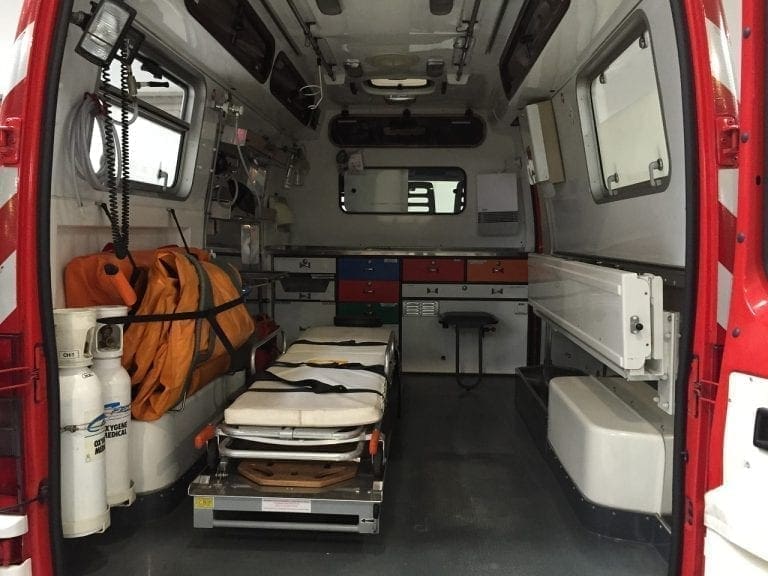
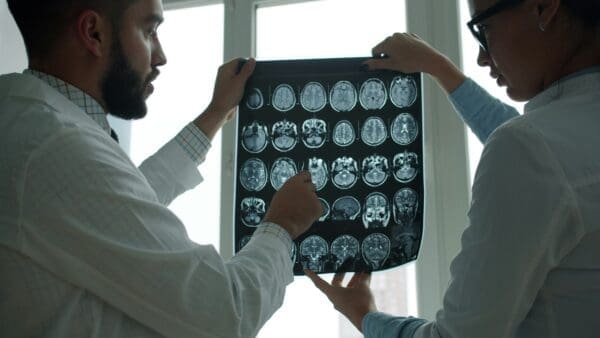
The first hours and days following a TBI are the most critical. Prompt medical attention is paramount, as it can be life saving and drastically improve the long term prognosis. Emergency responders and physicians focus on stabilization, assessing the injury’s severity by checking for loss of consciousness, memory gaps, and neurological deficits. This initial phase often involves advanced imaging (CT scans or MRIs) and, for severe cases, intensive care to manage brain swelling and pain.
Once stable, the individual may transition to inpatient rehabilitation. The primary goals at this stage are to minimize secondary injury to the brain (like inflammation) and to begin the essential process of restoring basic functions through targeted therapeutic strategies. The role of family members and caregivers is vital here, providing crucial emotional support and helping patients begin to process their new reality.
The Rehabilitation Roadmap: Retraining the Brain and Body
True recovery is a long, highly personalized journey that relies on a structured and multidisciplinary rehabilitation plan. Patients typically engage in several key forms of therapy:
- Physical and Occupational Therapy (PT/OT): Physical therapy works on mobility, balance, and strength, helping patients regain control over their bodies. Occupational therapy focuses on practical life skills (daily tasks like dressing, cooking, and self care) that may have been impaired by the injury.
- Cognitive Rehabilitation: This essential therapy focuses on retraining the brain’s executive functions: attention, concentration, memory, and problem solving. Specialists use memory exercises, strategic goal setting, and sometimes assistive technologies to help the patient rebuild these critical cognitive skills.
- Speech Language Pathology: This addresses difficulties with communication, including speaking, understanding language, and even swallowing issues that can result from a TBI.
It is vital that these therapies are highly individualized. An interdisciplinary team (including physiatrists, neuropsychologists, and various therapists) collaborates to craft a holistic plan that addresses the patient’s unique functional and cognitive deficits, ensuring all aspects of healing are addressed.
Emotional Healing: Addressing the Psychological Impact
Physical and cognitive healing are only half the battle; the psychological recovery is equally fundamental. Individuals often experience a tumultuous emotional landscape: intense frustration, sudden anger, deep anxiety, and depression as they grapple with their injury and the resulting changes in their abilities and identity.
Psychological therapies like Cognitive Behavioral Therapy (CBT) are crucial in helping survivors develop constructive coping mechanisms, manage emotional volatility, and begin the difficult process of rebuilding their self esteem. Group therapy can also be immensely helpful, connecting patients with others who share similar experiences, which reduces feelings of isolation and fosters a sense of shared understanding. Openly discussing mental health within support networks is key to destigmatizing these challenges and promoting comprehensive recovery.
In Search of Help: Finding the Right Resources in Emeryville
For residents in Emeryville, locating specialized and effective TBI care is crucial for the best possible outcome. Fortunately, resources are available locally to guide this process.
Local Specialists: Who to Consult for Expert Care
Building a strong clinical support team is the foundation of successful recovery. When seeking care in the Emeryville area, look for specialists with TBI experience. The ultimate goal of traumatic brain injury recovery in Emeryville is to restore the patient’s independence and quality of life. Neuropsychologists, physiatrists, occupational therapists, and speech language pathologists form the backbone of a comprehensive support team. Each of these professionals brings specialized knowledge and assessment techniques vital for accurate diagnosis and tailored rehabilitation plans.
Consulting with a neurologist or a neuropsychologist is often the first step towards understanding the specific nature of the injury and developing a personalized care plan. In addition, local clinics and rehabilitation facilities are equipped with skilled interdisciplinary teams focused on the unique needs of TBI patients. Seeking referrals from primary care physicians or utilizing online databases can streamline the process of finding reputable specialists within the Emeryville area.
Community Support: Local Networks and Advocacy
The importance of community support for TBI recovery cannot be overstated. In Emeryville, various nonprofit organizations, support groups, and advocacy programs promote awareness and create networks for individuals and families affected by TBIs. These local initiatives provide not only resources but also a sense of belonging among those facing similar challenges.
Support groups facilitate interaction and communication, where individuals can share their experiences and learn from one another. These networks can be instrumental in combating feelings of isolation and frustration, allowing individuals and families to draw strength from collective experiences. Engaging with local resources such as the Brain Injury Association of California or participating in community workshops can further enrich the recovery experience, ensuring that patients and families have access to relevant information and emotional support.
Choosing the Right Rehabilitation Program
Choosing the right rehabilitation program is a critical decision that can impact every aspect of recovery from a TBI. Numerous factors come into play, including the program’s accreditation, the experience and specialization of the staff, and the availability of multidisciplinary teams that include a variety of healthcare professionals. Prospective patients should consider visiting rehabilitation facilities, asking questions about treatment modalities, and reviewing patient testimonials to gain a comprehensive understanding of what to expect.
Moreover, understanding the structure of the program (whether it’s inpatient, outpatient, or a combination of both) is essential in determining how well it fits an individual’s needs and lifestyle. Financial considerations, including insurance coverage, should also not be overlooked. Programs that prioritize patient centered care, emphasizing collaboration and open communication among patients, families, and practitioners, often yield the most positive outcomes and satisfaction rates. Taking the time to conduct thorough research can empower patients and families to make informed decisions that greatly enhance recovery prospects.
Empowering Recovery: Essential Tips for Healing
Empowering recovery means taking an active role in the healing process and creating an environment that nurtures progress.
Building a Supportive Environment
Creating a supportive home environment is a decisive factor in facilitating recovery from TBIs. Home modifications can make a significant difference in promoting independence and safety:
- Safety First: Install grab bars in bathrooms, remove clutter and tripping hazards, and ensure proper lighting can help individuals navigate their spaces more safely.
- Sensory Calm: TBI survivors are often prone to sensory overload. Create a calming atmosphere by using soft, consistent colors, minimizing unnecessary noise, and establishing a predictable daily routine.
- Family Involvement: Caregivers should engage in open discussions with the survivor about what home modifications would best support their independence and comfort, fostering an atmosphere of teamwork and empathy.
Engaging in Therapy and Finding Balance
Therapy is not just a prescription; it’s a dedicated commitment to rebuilding life. Success hinges on a balanced, holistic approach:
- View Therapy as Training: Approach physical and cognitive therapy sessions as essential training for the brain and body. Track improvements and setbacks to maintain motivation and guide the therapeutic plan.
- Integrate Complementary Activities: Supplement clinical therapy with activities that promote mental well being, such as mindfulness, yoga, art therapy, or music therapy. These activities reduce stress, enhance focus, and add necessary balance to a rigorous treatment schedule.
- Goal Setting: Work with your therapists to set realistic, measurable goals. These small victories reinforce resilience and give the patient tangible proof of their progress, which is vital for long term motivation.
Stories of Hope: Fueling Perseverance
One of the most powerful resources for recovery is hope. Sharing and hearing inspirational stories from others in the Emeryville area who have navigated TBI recovery can be incredibly motivating. These personal accounts highlight the immense value of perseverance, the critical necessity of a strong support network, and the positive outcomes of effective rehabilitation. Traumatic brain injury recovery in Emeryville benefits greatly from these shared narratives. By engaging in local forums and community groups, survivors and families can draw strength from collective experiences, validating their own struggles and encouraging them to face their journey toward healing with renewed determination.