How Modern Fixtures Are Transforming Homes
The evolution of home fixtures has accelerated dramatically over the past decade, fundamentally changing how homeowners interact with their living spaces. From intelligent lighting systems to water-efficient faucets and energy-smart ceiling fans, today’s fixtures represent a convergence of technology, sustainability, and design that’s reshaping residential environments across the country.
The Rise of Smart Home Integration
Modern fixtures have become central to the smart home revolution, with approximately 63 million American households now using at least one smart home device as of 2024. This integration extends far beyond simple voice control. Contemporary light fixtures can adjust color temperature throughout the day to support circadian rhythms, while smart thermostats paired with modern HVAC fixtures learn household patterns to optimize energy consumption. The result is a living environment that adapts to residents rather than requiring constant manual adjustment.
Kitchen and bathroom faucets now feature touchless activation, temperature memory settings, and precise flow control that can reduce water waste by up to 30 percent compared to traditional fixtures. These improvements matter significantly when considering that the average American household uses approximately 300 gallons of water daily, with much of that flowing through fixture points that previously offered no efficiency features.
Energy Efficiency Driving Design Innovation
The push toward sustainability has fundamentally altered fixture design priorities. LED lighting fixtures have captured over 50 percent of the general illumination market, offering energy savings of 75 percent compared to incandescent bulbs while lasting 25 times longer. This shift has enabled designers to rethink fixture forms entirely, creating impossibly slim profiles and integrated architectural lighting that was technically unfeasible with older bulb technologies.
Ceiling fans represent another area where efficiency gains have been substantial. According to Hunter Fan Company (https://www.hunterfan.com/), “modern ceiling fans can reduce air conditioning costs by up to 40 percent when used properly, making them essential fixtures for both comfort and energy management. Today’s models operate so quietly and efficiently that many homeowners run them year-round, using reverse settings in winter to redistribute warm air that naturally rises to the ceiling.”
The Department of Energy estimates that upgrading to high-efficiency fixtures throughout a typical home can reduce energy consumption by 25 to 30 percent annually. For the average household spending roughly $2,000 on energy costs each year, this translates to savings between $500 and $600, providing payback periods of just a few years for most fixture investments.
Aesthetic Transformation and Personalization
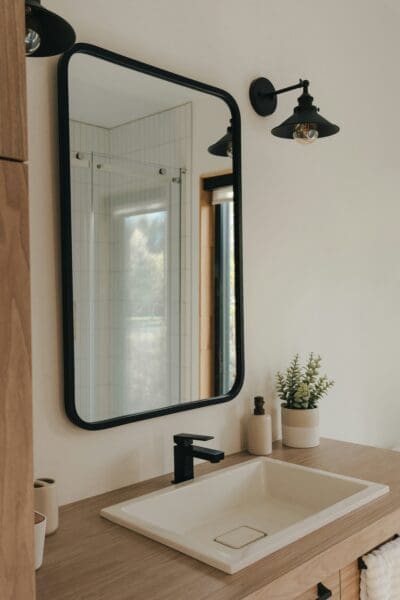
Beyond functionality, modern fixtures have become statement pieces that define interior aesthetics. The minimalist movement has influenced fixture design across categories, with clean lines, concealed hardware, and integrated installations replacing the ornate, prominent fixtures of previous decades. Matte black and brushed gold finishes have overtaken traditional chrome and brass, while geometric shapes and mixed materials create visual interest without overwhelming spaces.
Customization options have expanded exponentially. Modular lighting systems allow homeowners to configure fixtures to their exact specifications, adjusting not just placement but also intensity, color, and beam angles. Bathroom fixtures now come in coordinated collections that ensure visual harmony across every touchpoint, from shower heads to cabinet hardware. This level of design cohesion was previously available only through expensive custom work but has now become accessible at mainstream price points.
Health and Wellness Considerations
The wellness movement has introduced new fixture categories focused on resident health. Air quality monitoring fixtures detect particulates and VOCs, automatically adjusting ventilation systems to maintain optimal indoor air quality. Antibacterial finishes on frequently touched fixtures like door handles and light switches help reduce pathogen transmission, a feature that gained particular attention during recent public health challenges.
Lighting fixtures designed around human-centric principles adjust spectrum and intensity based on time of day, potentially improving sleep quality and mood regulation. Research from the Lighting Research Center indicates that proper lighting fixture selection and placement can improve sleep efficiency by up to 20 percent and reduce the time needed to fall asleep by several minutes each night.
The Installation and Maintenance Revolution
Modern fixtures have also transformed the installation experience. Quick-connect systems, standardized mounting plates, and improved instructions have made DIY installation feasible for many homeowners, reducing costs and increasing satisfaction with fixture upgrades. Video tutorials and augmented reality apps now guide users through installation steps, reducing errors and improving confidence.
Maintenance requirements have decreased substantially as well. Sealed bearing systems in ceiling fans eliminate periodic oiling, while corrosion-resistant coatings on bathroom fixtures prevent the deterioration that plagued earlier generations. Many fixtures now include diagnostic features that alert homeowners to maintenance needs before failures occur, preventing emergency repairs and extending useful life.
Looking Forward
The fixture transformation shows no signs of slowing. Emerging technologies promise even greater integration, with fixtures that communicate with each other to create truly coordinated home environments. Voice control continues improving in accuracy and responsiveness, while gesture recognition and presence detection may soon eliminate physical switches entirely. As these technologies mature and prices decline through economies of scale, the gap between standard and premium fixtures will narrow significantly, making transformative features accessible to broader audiences and continuing to reshape how we experience our homes.