How Modern Dental Care Adapts to Busy Lifestyles
In today’s fast-paced society, fitting dental care into a stacked calendar can feel overwhelming. Fortunately, advancements in dentistry and patient-focused innovations are making it much easier for busy patients to stay on top of their oral health. From digital tools to extended appointment hours, modern dental practices are integrating convenience into their offerings so your smile never has to be sacrificed. Patients seeking solutions for both routine care and restorative needs can now access options such as dental implants in Rockville, MD with more ease and flexibility than ever before. Practices are combining technology and comfort so individuals don’t have to choose between their well-being and their daily obligations. This shift is empowering everyone, from young professionals to parents and seniors, to take a proactive approach to dental health. As the industry evolves, accessibility, patient experience, and preventive care emerge as top priorities. According to CNN Health, Americans are becoming increasingly diligent about balancing dental appointments and busy schedules, reflecting growing awareness of oral health as a vital component of overall wellness.
Advancements in Dental Technology
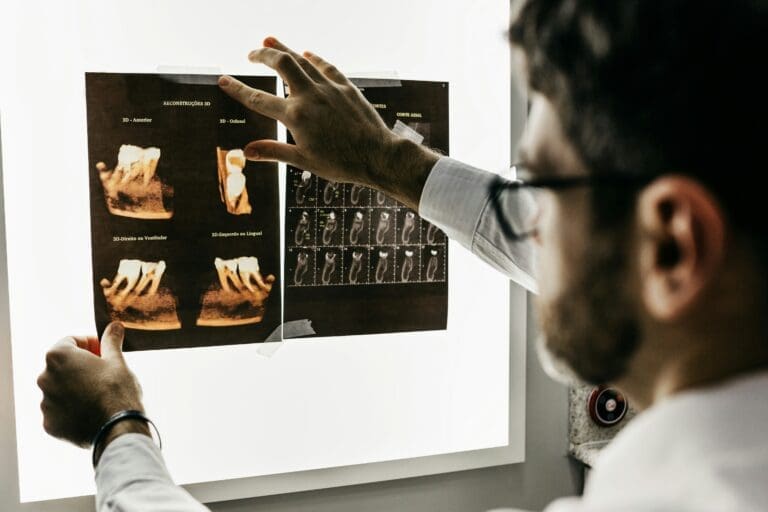
Recent years have witnessed explosive growth in dental technology, revolutionizing how care is delivered. Intraoral scanners, 3D imaging, and computer-aided design have made diagnostics faster and more accurate, enabling personalized treatment plans that minimize the number of appointments. The efficiency these tools provide means less disruption to a patient’s busy routine without compromising quality. Tele-dentistry is also seeing increased adoption, providing virtual consultations for initial assessments and follow-ups, and further reducing the time investment needed for quality dental care. Additionally, developments like same-day crowns and laser dentistry allow patients to receive restorative treatments, such as fillings or crowns, in a single visit. This technology drastically reduces appointment times and helps patients avoid multiple work absences or childcare arrangements. For working professionals, parents, and older people, these time-saving advances mean they no longer have to choose between their health and essential daily responsibilities. Innovations in at-home monitoring tools and mobile apps are also supplementing in-person care, offering reminders, virtual check-ins, and access to aftercare instructions from the convenience of a smartphone or tablet.
Flexible Scheduling and Accessibility
Dentists understand that traditional nine-to-five office hours are often insufficient for today’s workforce and families. As a result, many dental practices now offer evening appointments, weekend availability, and same-day emergency care. Practices such as Dental365 have responded by expanding their locations and availability, ensuring more patients can comfortably fit vital appointments into their lives. This expanded accessibility demonstrates a shift in the industry, helping more people overcome barriers to consistent dental care. According to the Centers for Disease Control and Prevention, making care more accessible is a proven way to improve oral health outcomes nationwide. Remote and rural communities are also benefiting from mobile dental units and pop-up clinics that can travel to where care is needed most. These services provide much-needed dental health interventions to individuals who may not be able to travel to a permanent facility. Bilingual staff and translation services are becoming more widespread, ensuring patients receive clear information and feel comfortable regardless of language barriers. As a result, dental health is becoming more inclusive and adaptable to every patient’s lifestyle and background.
Emphasis on Preventive Care
Despite the pressures of modern living, preventive dental appointments remain a high priority for most adults. A Delta Dental survey highlights that 87% of respondents place equal importance on dental check-ups and annual physical exams. Regular exams and cleanings are crucial for detecting minor issues before they escalate into more serious, time-consuming problems. This protective approach not only saves time in the long run but also reduces the likelihood of complex procedures that interrupt daily life. Oral health education is playing a larger role in preventive efforts as well. Dentists and hygienists now frequently provide patients with tailored advice and demonstrations for brushing, flossing, and dietary habits. Some offices offer family-focused preventive programs that help even the youngest patients develop excellent habits from an early age. For adults with orthodontic devices, digital reminders and specialized cleaning tools are recommended to make home care more effective despite a busy schedule. Community and workplace outreach programs are further extending awareness and accessibility, driving more consistent participation in preventive care.
Innovative Patient-Centered Practices
The dental industry is acutely aware of patient apprehension and time constraints. Modern practices are reimagining the patient journey by offering amenities like online booking, streamlined digital forms, and shorter in-office wait times. For example, Oakwell Dental has designed its space to feel welcoming and spa-like, making dental visits more comfortable and far less stressful than in the past. These patient-centered touches help encourage more frequent and consistent dental care by reducing anxiety and making every visit intentionally pleasant. Some practices now provide virtual reality headsets, noise-canceling headphones, and entertainment options, transforming checkups into a more enjoyable experience. For families, play areas and family block scheduling allow parents and children to attend appointments together, reducing the overall time commitment required for group visits. Environmentally conscious practices are adopting paperless systems and sustainable materials, reflecting a commitment to both patient well-being and environmental responsibility, an added benefit for conscientious patients managing a modern lifestyle.
Integration of AI in Dental Care
Artificial intelligence has emerged as a transformative force in dentistry. AI-powered diagnostics can help dentists identify problems sooner and with greater accuracy. Coast Dental’s partnership with Pearl brings these AI-driven tools to dozens of practices, improving both diagnostic speed and treatment precision. The benefits for busy patients are clear. More accurate X-ray and scan readings lead to fewer follow-up visits and more direct, effective treatments for dental issues, truly saving patients both time and stress. AI also enhances practice management systems by automating reminders, streamlining insurance verifications, scheduling appointments, and managing follow-up communications. Dentists can better predict patient needs and prevent care gaps using machine learning algorithms, while patients benefit from real-time feedback on their oral health status. As AI becomes more deeply integrated into dentistry, the patient experience will continue to evolve, with more personalized, efficient, and convenient care models.
Conclusion
The future of dental care is all about merging innovation, flexibility, and patient well-being to create a more accessible and efficient healthcare experience. Thanks to rapid technological advancements such as digital scanning, teledentistry, and minimally invasive procedures, patients can now receive faster, more accurate, and more comfortable treatments than ever before. Convenient appointment options, extended clinic hours, and patient-centered services make it easier for individuals with busy lifestyles to prioritize their oral health. At the same time, there is a stronger emphasis on preventive care, helping patients avoid complex dental issues before they develop. Modern dental practices are continuously adapting to meet these evolving needs, ensuring that high-quality care is both practical and widely available. As a result, maintaining optimal dental health is no longer difficult or time-consuming, but instead an achievable part of everyday life for people of all ages.