How Do I Apply for a Wildfire Claim?
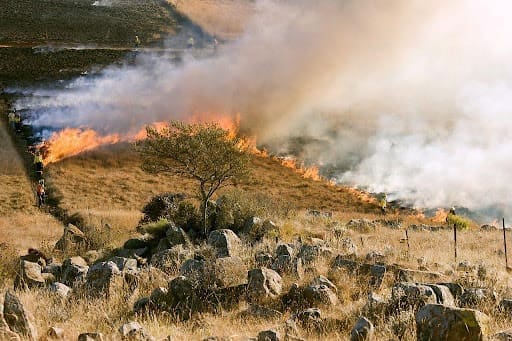
Wildfires can cause damage fast. They burn homes, destroy property, and leave families with nowhere to go. Knowing how to apply for a wildfire insurance claim is essential when this happens. The process may feel overwhelming, but this guide will help you take it one step at a time.
California often faces some of the worst wildfires in the country. In 2023 alone, over 7,000 wildfires burned more than 320,000 acres in the state. Many homes and properties were lost, leaving residents searching for help. A California wildfire attorney can assist with claims when insurance companies delay or deny payouts. But first, it helps to understand how the wildfire claim process works.
What Does a Wildfire Claim Cover?
A wildfire claim covers more than just your house. It can include:
- Damage to your home, garage, and other buildings.
- Burned or destroyed personal items like furniture, electronics, or clothes.
- Cars or trucks were lost in the fire.
- Living costs if you had to move out because of the fire.
- Clean-up and repair costs for your yard or fence.
- Medical costs if anyone was hurt or had breathing problems from the smoke.
Make sure you read your insurance policy carefully to see what it covers.
Step-by-Step: How to Apply for a Wildfire Claim
Step 1: Stay Safe and Record the Damage
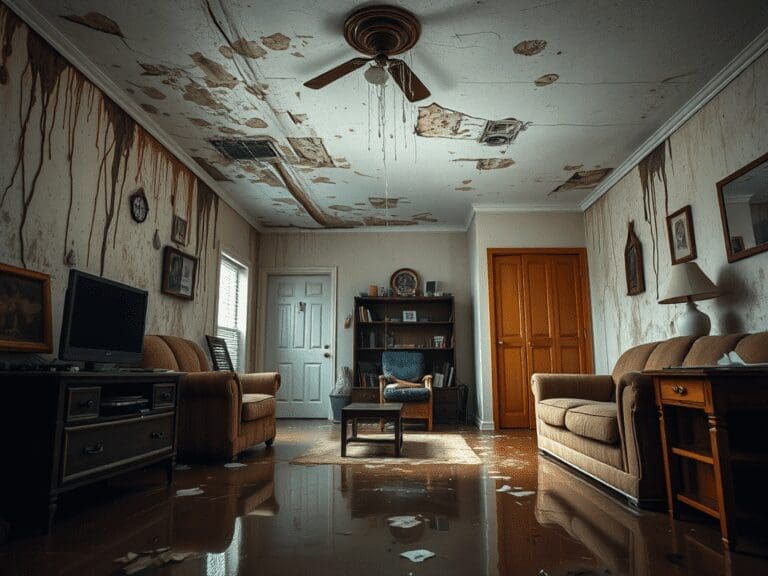
Once the fire is over and it’s safe to return, take photos and videos of all the damage. Make a list of everything that was burned or ruined. Try to include when you bought each item and how much it cost. This list will help when you fill out your claim.
Step 2: Read Your Insurance Policy
Before you call your insurance company, look at your policy. See what is covered, how much your deductible is, and if there are any limits. Some policies cover only part of the damage. If you’re unsure, ask your agent to explain it simply.
Step 3: Call Your Insurance Company
Call your insurance provider as soon as you can. Tell them that you want to file a wildfire claim. They will give you a claim number and may ask you to fill out forms or upload documents. Ask them what they need and when they need it.
Step 4: Fill Out the Claim Forms
Fill in all the required paperwork. Include your list of damaged items, photos, and any receipts. Keep those receipts if you stayed in a hotel or bought food because of the fire.
Step 5: Work With the Insurance Adjuster
Your insurance company will send an adjuster. This person looks at the damage and decides how much the insurance will pay. Be honest when you speak to them. Show them your photos and list. Write down their name and what they say.
Step 6: Follow Up and Stay Organized
Keep a file with all your documents. Write down the dates of your calls and emails. Track all your costs since the fire, especially if you had to live elsewhere. Don’t throw away any receipts.
What If Your Claim Is Denied or Delayed?
Sometimes, insurance companies delay or reject claims. If this happens:
- Ask for a written reason.
- Gather more proof if needed, like new photos or expert reports.
- File an appeal with your insurance company.
- Contact your state’s Department of Insurance.
- You may also choose to hire a public adjuster or legal help.
Tips to Get the Most From Your Claim
- Make a list of your belongings before a wildfire ever happens.
- Save necessary receipts and store them online or outside your home.
- Take clear photos of your home and personal items.
- Ask questions if you don’t understand the process.
- Don’t rush into accepting a settlement—make sure it covers all your losses.
Helpful Resources
If you need extra help, try:
- FEMA: For federal assistance after major wildfires.
- State disaster programs: Many states have support for fire victims.
- Local nonprofits: Groups often help with food, shelter, or clean-up.
- Legal aid: Some organizations offer free help with insurance issues.
Conclusion
Recovering from a wildfire is hard, but you don’t have to go through it alone. Filing a claim right away can help you rebuild your life and home. Stay calm, stay organized, and take it one step at a time.