How Hormonal Changes Shape Women’s Lives After 40

As women enter their 40s, they often experience significant hormonal shifts that can impact various aspects of their lives, from physical health to emotional well-being. These hormonal changes are typical, yet can be confusing, unpredictable, and even distressing if not well understood. Education and awareness are key to navigating this time with confidence. In addition to learning about common symptoms and solutions, it’s essential to know that support and resources are available. For comprehensive support and personalized care plans tailored to perimenopause symptoms, Gliss Wellness offers virtual OB/GYN services specializing in perimenopause and vaginal health. The team of board-certified specialists at Gliss Wellness provides accessible, convenient care across all 50 states, DC, and Guam, ensuring women receive the support they need during this stage of life. Learn more about their services and how they can help you manage perimenopause symptoms.
Understanding Hormonal Changes in Your 40s
During the 40s, women typically enter perimenopause, the transitional phase leading up to menopause. This period is marked by fluctuations in the hormones estrogen and progesterone, which regulate not only reproductive functions but also have broader effects throughout the body. As the ovaries reduce their hormone production, the body’s internal balance shifts, often resulting in a variety of noticeable symptoms. These hormonal changes can begin as early as the mid-40s and may last several years before menopause officially begins. The duration and intensity of perimenopausal symptoms can vary significantly among women. Some may notice occasional symptoms, while others may experience pronounced changes that affect their daily quality of life. Understanding the underlying process can help women better anticipate what to expect, seek support early, and manage symptoms more effectively as they approach menopause.
Physical Impacts of Hormonal Shifts
The physical effects of hormonal changes in your 40s can be multifaceted and sometimes unexpected. Estrogen plays a key role in maintaining healthy skin, muscle tone, and even joint flexibility. As estrogen levels decline, many women start to see and feel changes they may not have associated with hormones before. Some of these changes may include:
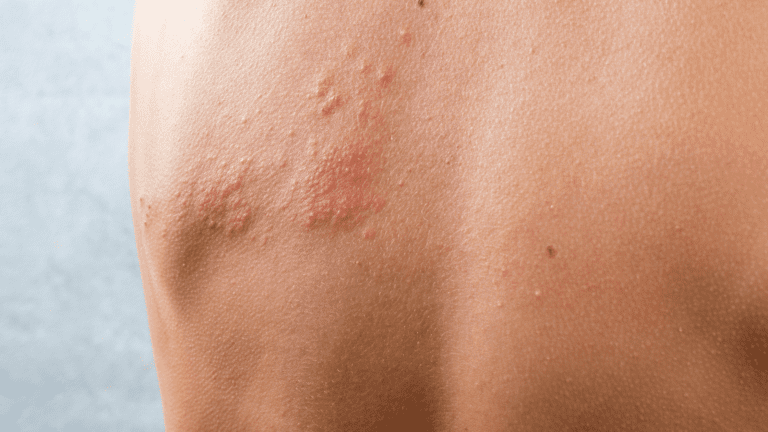
- Skin sensitivity and increased redness due to decreased estrogen levels. Reduced estrogen can also lead to drier, thinner skin, making it more prone to irritation or itchiness. Changes in collagen production may lead to fine lines or a loss of skin elasticity.
- Muscle and joint pain, such as stiffness or conditions like frozen shoulder. A reduction in estrogen can contribute to decreased muscle mass and strength, potentially slowing recovery from physical activity. Women may notice more aches, pains, or stiffness, especially in the morning or after long periods of sitting.
- Changes in body composition, including weight gain, particularly around the abdomen and thighs. Hormonal shifts often slow metabolism and alter how the body stores fat, making it harder to maintain previous weight or muscle tone despite effort. Exercise and nutrition strategies may need to be adjusted to address these metabolic changes.
Some women may also notice changes in hair texture or increased hair shedding, as hormone fluctuations can affect hair follicle growth. Bone density may decline gradually, increasing the risk of osteoporosis in the future. All of these changes underscore the importance of proactive healthcare and regular screenings during this decade of life.
Cognitive and Emotional Effects
Hormonal changes can also affect cognitive and emotional health, creating challenges that may be subtle or quite noticeable. Women may experience:
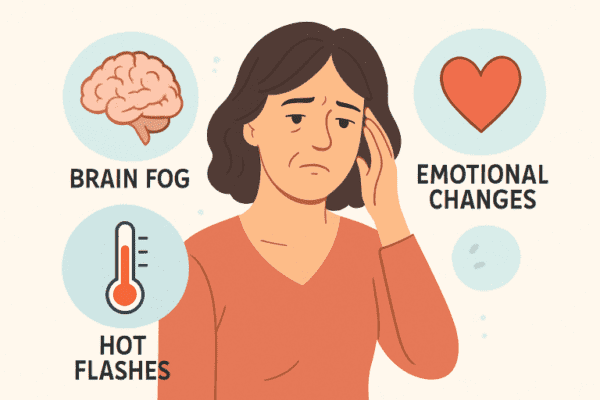
- Brain fog and memory lapses. Difficulty concentrating, forgetfulness, or trouble finding the right words are common complaints. These cognitive changes can be unsettling, especially for women who are managing busy lives and careers.
- Mood swings, anxiety, and depression. Hormones communicate with neurotransmitters in the brain that regulate mood, so fluctuations can lead to increased irritability, sensitivity, or emotional ups and downs. Anxiety and depression may become more pronounced during perimenopause, even for those with no previous history.
- Sleep disturbances leading to fatigue and irritability. Night sweats, hot flashes, or racing thoughts can make it difficult to get restful sleep, leading to persistent daytime tiredness. Over time, poor sleep quality exacerbates other symptoms and can make it harder to manage stress or maintain positive mental health.
The emotional strain of these symptoms, combined with external stressors such as family and work responsibilities, can create a perfect storm of burnout if left unaddressed. Women are encouraged to seek support from friends, family, or mental health professionals, and to offer themselves compassion during this transition.
Managing Hormonal Changes Naturally
Many women seek natural methods to manage hormonal changes, hoping to reduce symptoms and maintain vitality without medication if possible. While some women may benefit from hormone therapy or other prescriptions, others can find significant relief through lifestyle adjustments. Common practices include:
- Incorporating a balanced diet rich in phytoestrogens, such as soy, flaxseeds, and legumes. These plant compounds can gently mimic estrogen in the body and may help lessen some symptoms. Consuming enough protein, antioxidants, and healthy fats is also essential for maintaining energy and supporting healthy skin and hair during this phase.
- Engaging in regular physical activity to maintain muscle mass, bone density, and cardiovascular health. A mix of strength training, aerobic exercise, and flexibility-focused activities like yoga or Pilates not only supports physical health but can lift mood and promote better sleep.
- Practicing stress-reducing techniques like yoga, meditation, or deep breathing exercises. Mindfulness and relaxation techniques help regulate cortisol levels, which often rise in response to hormonal changes and can worsen symptoms like weight gain and sleep disturbances. Activities such as journaling, enjoying nature, or engaging in creative hobbies are also beneficial for cultivating emotional balance.
Regular self-care, mindful routines, and consistent sleep schedules can go a long way in making symptoms more manageable. Tracking symptoms in a journal or app can help women notice patterns, identify effective strategies, and share meaningful information with their healthcare providers.
Seeking Professional Support
Consulting healthcare professionals is highly recommended for women experiencing bothersome or persistent symptoms. In addition to routine check-ups, seeking specialized care can provide personalized strategies for managing hormonal changes and long-term well-being. Services like those offered by Gliss Wellness specialize in supporting women through perimenopause and menopause, offering tailored approaches to alleviate symptoms and improve quality of life. Their board-certified OB/GYNs are experienced in the unique needs of women in midlife, from addressing emotional health to optimizing hormonal balance with the latest evidence-based approaches. For more information on perimenopause symptoms, visit their website.
Professional guidance is particularly important if symptoms are severe, if there is a family history of hormone-related conditions, or if changes begin to interfere with work, relationships, or enjoyment of life. Medical providers can not only offer testing and diagnosis but also critically weigh the benefits and risks of different treatments, including hormone replacement therapy, non-hormonal medications, and integrative medicine.
Conclusion
Understanding and managing hormonal changes after 40 is essential for maintaining overall health and well-being. By recognizing symptoms early, adopting healthy lifestyle practices, and seeking professional support when needed, women can navigate this life stage with confidence and vitality. Proactive care, as well as compassion for oneself during this transition, helps ensure that women in their 40s and beyond continue to thrive and lead fulfilling, vibrant lives.