How General Veterinarians Build Trust With Families
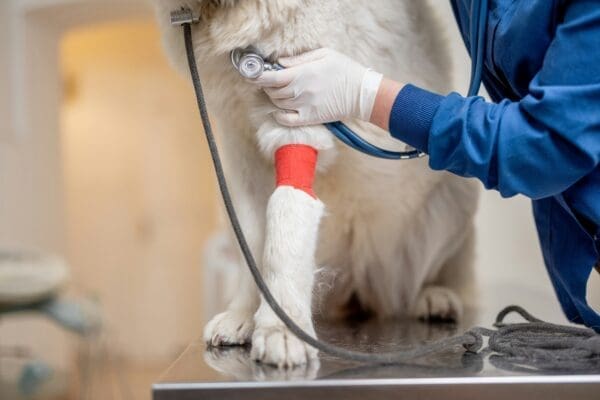
When your pet hurts, you feel it in your chest. You need someone steady. You need someone you can trust with a life you love. A general veterinarian becomes that steady person by showing up in simple, clear ways. You see it in honest answers, careful hands, and quiet follow through after each visit. You hear it when your worries are taken seriously, not brushed aside. You feel it when the same face greets you and remembers your pet’s story. A veterinarian in Lambertville, MI earns that trust one small choice at a time. First through clear communication. Second through respect for your time and money. Third through gentle care that never feels rushed. Trust does not appear overnight. It grows each time your vet proves that your pet’s safety and your family’s peace of mind come before everything else.
Clear words that match honest actions
You trust more when you understand what is happening. A good general veterinarian explains things in plain words. You hear what is wrong, what might happen next, and what your options are.
You should expect your vet to:
- Use simple words for tests and treatments
- Repeat key points so you leave with a clear plan
- Write down home care steps for you
Next you can check what they say against what they do. Honest vets do not rush you into choices. They tell you what is needed now, what can wait, and what is only nice to have. That steady honesty builds trust each visit.
Respect for your time, money, and limits
Trust grows when you feel respect. You see that respect in how the clinic runs. You also see it in how your vet talks about cost and follow up.
Strong general veterinarians:
- Run visits close to the scheduled time
- Explain costs before treatment when possible
- Offer a few care plans at different price levels
You also need room to say no. A vet who respects you will listen when you set limits. They will help you find the safest plan within those limits. That calm, steady respect keeps shame and fear out of the room.
Gentle handling of pets and people
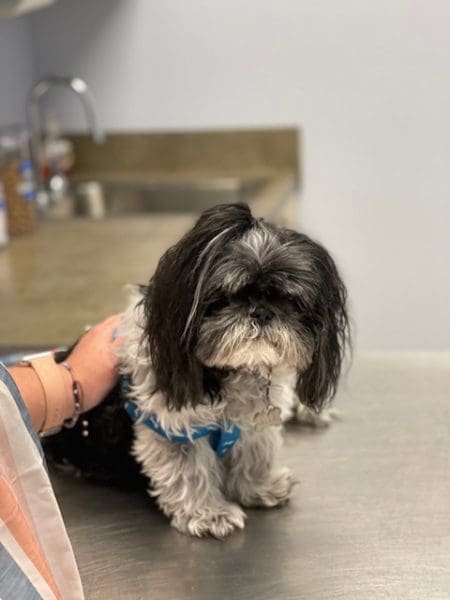
You watch every move near your pet. Your vet knows this. Trust starts with how they touch and hold your animal.
Look for three simple signs:
- The vet moves slowly and speaks in a quiet voice
- Your pet gets time to sniff, look, and settle
- Staff use treats, toys, or soft towels when they can
Many clinics now use low-stress handling methods that reduce fear. The American Veterinary Medical Association shares guidance on humane care and handling. When your vet works to lower fear, you see that your pet is not just a number. That care for comfort builds trust fast.
Steady preventive care and follow up
Trust is not only about emergencies. It grows during the quiet months when nothing seems wrong. Routine visits, vaccines, and yearly exams show that your vet wants to prevent pain, not only react to it.
During routine care, your vet should:
- Review food, weight, and daily habits
- Check teeth, skin, ears, and joints
- Update vaccines and parasite control only when needed
The Centers for Disease Control and Prevention explains why regular parasite control and vaccines protect both pets and people. When your vet links their advice to public health facts, you see that their plan rests on real science, not guesswork.
How general veterinarians support family trust
A strong general veterinarian protects not only your pet, but also your whole family. The table below shows how this support can look in daily life.
| Role of the general veterinarian | What you experience | How it builds trust |
|---|---|---|
| Health guide | Clear steps for vaccines, diet, and checkups | You feel less doubt about daily care |
| Early warning system | Finds small problems during yearly exams | You see problems caught before they grow |
| Emergency support | Gives direct advice by phone and in person | You feel less panic during sudden illness |
| Teacher for children | Explains pet care in simple words to kids | Your children learn respect for animals |
| Long term partner | Remembers your pet’s history and your worries | You feel seen as a whole family, not a chart |
Open communication during hard choices
The hardest moments test trust. Chronic illness, behavioral trouble, or end-of-life care can shake any family. In those moments, you need a vet who tells the truth with calm and care.
You should expect your vet to:
- Explain best case, worst case, and most likely case
- Talk about comfort, not only survival
- Respect your values, culture, and beliefs
When you see that your vet does not hide from hard words, you can face those choices with less fear. Clear talk does not remove pain. It removes confusion, which often hurts just as much.
How you can help build that trust
Trust works both ways. You can strengthen the bond with your veterinarian through three simple habits.
- Share full information. Tell the truth about food, accidents, or missed doses.
- Ask questions. Say when you do not understand or when a plan will not work at home.
- Keep records. Bring past reports, medicine lists, and vaccine cards.
When you show up prepared and open, your vet can do better work. That success then deepens your trust in their care.
Choosing a general veterinarian for your family
Trust starts before the first exam. It starts when you choose who will care for your pet. During a first visit, notice three things.
- How the staff greet you and your pet
- How clearly the vet explains findings and costs
- How your pet behaves after the visit
If you leave feeling heard, informed, and calmer than when you arrived, you are on the right path. Over time, each honest talk, each gentle touch, and each careful follow-up will turn that first good feeling into strong trust that holds through every stage of your pet’s life.