How General Dentistry Provides Durable Solutions For Everyday Needs
You might be feeling that your mouth is holding you back more than it should. Maybe you avoid chewing on one side because of a sharp tooth, or you feel a twinge every time you drink something cold. Perhaps you are tired of patchwork fixes that never seem to last, and you are wondering if there is a way to get steady, reliable care that keeps your teeth strong year after year. A trusted Chelsea dentist can help you find that kind of lasting, dependable care.end
It can feel frustrating. You brush, most of the time you floss, you try to be careful, yet problems still pop up. A filling here, a chipped tooth there, bleeding gums when you are already stressed from everything else in life. Because of this tension, you might start to think that dental issues are just your “normal.”
They are not. The whole point of general dentistry is to give you durable, everyday solutions, so your teeth and gums stay healthy with less drama and fewer emergencies. In simple terms, a general dentist is your primary care provider for your mouth. They focus on prevention, early detection, and practical treatments that fit real life, not a perfect one.
In broad strokes, here is what you can expect. A good general dentist helps you prevent problems before they start, catches small issues while they are still easy to fix, and repairs damage in a way that lasts as long as possible. You get a long term plan instead of one time fixes. You get a partner instead of a revolving door of urgent visits.
Why do small dental problems feel so big in everyday life?
Start with the most basic truth. When something is wrong with your mouth, you feel it all day. You feel it when you eat, drink, speak, or even smile. That constant reminder can drain your energy and your patience.
Think about a “simple” cavity. At first it may just feel sensitive, so you chew on the other side. Then it starts to ache at night. You might take pain relievers, sleep poorly, and wake up exhausted. You finally visit a dentist, and by then the cavity is deep, so you need a larger filling or even a root canal and crown. The visit costs more, takes longer, and the stress you felt for weeks could have been avoided.
This is where the problem starts to snowball. Because the experience was stressful and expensive, you might delay the next checkup. That delay lets new problems grow. You end up in a loop of waiting until something hurts, then rushing in when it is already serious.
So where does that leave you? Usually with three worries circling in your head. “Is this going to hurt?” “How much will it cost?” and “Will this even last?”
General dentistry, when used as ongoing care instead of a last resort, is designed to calm each of those worries. Regular cleanings and exams reduce the chance of painful surprises. Early treatment is almost always less expensive than delayed treatment. Modern materials and techniques help fillings, crowns, and other work last longer, so you are not redoing the same tooth again and again.
How does everyday general dental care actually protect you?
To understand how routine dental care creates durable results, it helps to break it into three parts. Prevention, early repair, and long term maintenance.
Prevention is everything you and your dentist do to stop problems before they start. Professional cleanings remove hardened plaque that brushing and flossing at home cannot reach. Your dentist checks for cavities, gum disease, worn enamel, and even early signs of oral cancer. When you follow solid home care practices, such as those explained in this American Dental Association guide to brushing and flossing, you support that work every day.
Early repair is what happens when your dentist finds something small. A tiny cavity can be treated with a simple filling. Mild gum disease can often be reversed with a deeper cleaning and better home habits. Addressed early, these treatments are usually quick, more comfortable, and less expensive, and they protect the tooth structure so it stays strong for years.
Long term maintenance is about the big picture. If you grind your teeth at night, you may get a custom night guard to protect them from wear. If you have several large fillings, your dentist might recommend a crown on a tooth that is starting to crack, so you avoid a painful break later. The goal is not just to fix what is broken right now. The goal is to protect what you have, so your natural teeth last as long as possible.
All of this matters at every age. The Centers for Disease Control and Prevention notes that nearly half of adults over 30 show signs of gum disease, and that good habits and regular care greatly reduce that risk. You can see simple, science based tips in this CDC overview on oral health for adults.
Where is the line between “good enough” at home and professional care?
You might wonder if you can just brush a little better and use some over the counter products, instead of making time for dental visits. It is a fair question, especially when life is busy and budgets are tight.
The honest answer is that home care and professional care are partners. You need both. Brushing twice a day with fluoride toothpaste and cleaning between your teeth daily are non negotiable if you want durable oral health. Yet even the best home routine cannot remove all tartar or spot certain early changes that a dentist can see.
The table below lays out how “DIY only” compares with ongoing care from a general dentist.
| APPROACH | SHORT TERM EXPERIENCE | LONG TERM IMPACT | TYPICAL COSTS OVER TIME |
| Home care only, no regular dentist | Less time spent on visits. Problems often noticed only when painful. | Higher risk of advanced cavities, gum disease, tooth loss, and emergencies. | Lower at first. Often much higher later due to urgent, complex treatment. |
| Regular general dentistry plus home care | Some time for cleanings and exams. Many issues found early. | Fewer emergencies. Teeth and gums more stable and comfortable. | Predictable routine costs. Big problems often avoided or reduced. |
| Irregular visits only when there is pain | Visits feel stressful. Often need longer or more intense treatment. | Cycle of crisis, repair, and more crisis. Higher chance of losing teeth. | Unpredictable. Can feel overwhelming when several issues appear at once. |
Clinical research supports this pattern. Regular cleanings and exams are strongly linked to lower rates of tooth loss and less severe gum disease. If you are curious about how conditions like cavities and gum problems progress, you can read medical details in this MedlinePlus article on dental caries.
What can you do right now to protect your teeth for the long run?
You do not need to overhaul your entire life to benefit from family dental care. Small, consistent steps add up quickly.
1. Commit to a regular checkup schedule, even if nothing hurts
Pick an interval that works for you and your dentist, usually every six months, sometimes more often if you have ongoing issues. Put the appointments on your calendar the way you would for any other health visit. When you treat these visits as routine maintenance instead of an emergency fix, they become less stressful and more predictable.
If you tend to feel anxious, let the office know ahead of time. Many general dentists offer simple comforts like music, blankets, or short breaks during treatment. The goal is to work with you, not rush you.
2. Strengthen your daily home routine in realistic ways
You do not need a complicated routine to get durable results. Focus on the basics you can actually sustain. Brush twice a day with a fluoride toothpaste. Clean between your teeth daily with floss or another tool you will truly use. Limit frequent sipping of sugary drinks, since constant exposure feeds the bacteria that cause cavities.
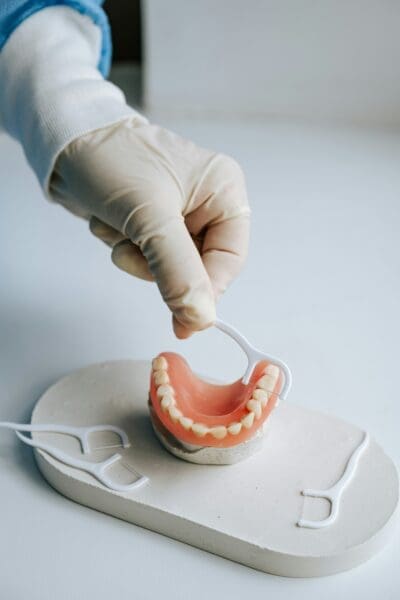
If you find flossing difficult, ask your dentist or hygienist to show you options like floss holders or small brushes for between teeth. A few minutes of coaching can turn a frustrating task into something you can manage without dread.
3. Talk openly with your dentist about your priorities and budget
A general dental service plan works best when your dentist understands what matters most to you. If you are worried about cost, say so. In many cases there are phased treatment options, where the most urgent issues are handled first and other work is spaced out over time.
Ask questions like “What happens if I wait on this?” and “Is there a simpler option that will still protect the tooth?” A thoughtful general dentist will explain the pros and cons in plain language so you can choose what fits your life, not just what looks best on paper.
Moving toward a steadier, more confident smile
Living with constant worry about your teeth is exhausting. You do not have to keep bracing for the next sudden ache or broken filling. With steady support from everyday general dentistry, plus a few realistic habits at home, your mouth can become one of the most reliable parts of your body, not the most fragile.
So your next move does not have to be dramatic. It can be as simple as scheduling that overdue exam, asking clear questions, and choosing one small change in your daily routine. Over time, those choices build something very real. Confidence when you smile. Comfort when you eat. And the quiet relief of knowing your teeth are being cared for in a way that is built to last.