10 Tips on Choosing the Right Weighing Scales
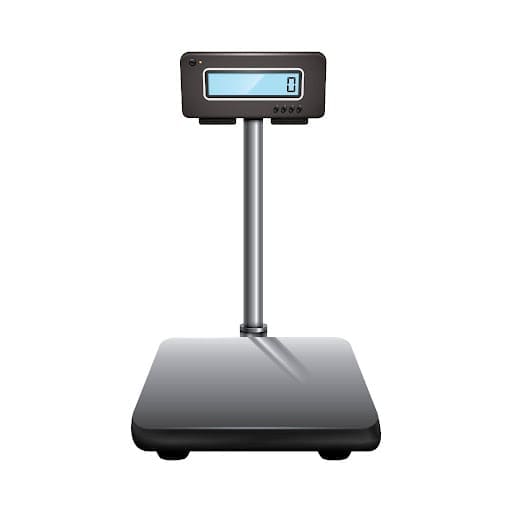
Whether you’re running a busy commercial kitchen, managing a warehouse, weighing livestock, or simply need an accurate scale for home use, choosing the right weighing scale can have a significant impact on efficiency, accuracy, and overall satisfaction with the product. With so many types, sizes, and features available on the market, it’s easy to feel overwhelmed by the options. This guide will walk you through the key factors to consider when selecting weighinghelping you make an informed decision that suits your specific needs. Trusted manufacturers like Meltrons offer a wide range of scales designed for different applications, making it easier to find a solution that fits your requirements without compromising on quality or accuracy.
1. Identify Your Specific Application
Before browsing options, it’s important to clearly define what you’ll be using the scale for. Weighing scales are designed with different applications in mind, and choosing the wrong type can lead to inefficiencies or inaccurate results. Common applications include:
- Industrial and warehouse use: Heavy-duty platform or floor scales for weighing large or bulky items.
- Commercial kitchens: Compact, easy-to-clean scales for portioning ingredients.
- Retail and trade: Scales designed for weighing goods sold by weight, often requiring trade certification.
- Laboratory and pharmaceutical use: High-precision scales capable of measuring very small quantities accurately.
- Agriculture and livestock: Rugged scales built to handle outdoor conditions and larger weight capacities.
Understanding your primary use case will immediately narrow down the type of scale that’s appropriate for your needs.
2. Consider Weight Capacity and Range
Every scale has a maximum weight capacity, and choosing one that aligns with your typical weighing needs is essential. It’s wise to select a scale with a capacity slightly higher than your expected maximum load, as this provides a buffer and helps prevent overloading, which can damage the scale or affect its accuracy over time. At the same time, avoid choosing a scale with a capacity far beyond what you need, as scales designed for very heavy loads often sacrifice precision for smaller weights.
3. Prioritise Accuracy and Readability
Accuracy is arguably the most important factor when selecting a weighing scale, particularly for industries where precise measurements affect product quality, safety, or compliance. Look for scales with a readability level (the smallest increment the scale can measure) suited to your needs. For example, a kitchen scale might need to measure in grams, while an industrial scale may only need accuracy to the nearest kilogram. Additionally, consider the display: a clear, easy-to-read screen, ideally backlit for use in dim conditions, can make a significant difference in day-to-day usability.
4. Think About Durability and Build Quality
The environment in which a scale will be used plays a big role in determining the ideal build quality. If the scale will be exposed to moisture, dust, or rough handling, it’s worth investing in a rugged, durable model with a sturdy housing. Stainless steel platforms, for instance, are popular in food industries and outdoor settings because they resist corrosion and are easy to clean. Meltrons offers a range of scales built with durability in mind, ensuring reliable performance even in demanding working environments.
5. Check for Waterproof or Water-Resistant Features
For industries such as food processing, fishing, agriculture, or any setting where washdowns and spills are common, waterproof or water-resistant scales are a worthwhile investment. These scales are designed to prevent moisture from damaging internal components, ensuring consistent accuracy and a longer operational lifespan. If your work environment involves regular exposure to liquids, prioritising this feature can save you from costly repairs or replacements down the line.
6. Portability and Size Considerations
Depending on your needs, portability might be a key factor. If you need to move the scale between locations frequently, such as weighing livestock in different paddocks or taking measurements at various job sites, a lightweight, portable scale with a sturdy carrying design is ideal. On the other hand, if the scale will remain in a fixed location, such as a warehouse or laboratory, size and footprint become more about fitting into your available space efficiently.
7. Power Source and Battery Life
Weighing scales can be powered by batteries, mains electricity, or sometimes both. Battery-powered scales offer flexibility, especially for outdoor or mobile use, but it’s important to consider battery life and whether the scale offers rechargeable options. For scales used continuously throughout the day, such as in a busy retail or industrial setting, mains-powered options might be more practical to avoid interruptions from battery depletion.
8. Look for Additional Features
Modern weighing scales often come with additional functionalities that can enhance usability, such as:
- Tare function: Allows you to subtract the weight of a container to measure only the contents.
- Unit conversion: The ability to switch between kilograms, pounds, ounces, and other units.
- Data connectivity: Some scales offer USB, Bluetooth, or Wi-Fi connectivity for recording and transferring weight data digitally.
- Overload protection: Helps prevent damage if the scale is accidentally overloaded.
Consider which of these features would genuinely benefit your workflow rather than opting for unnecessary extras that add to the cost.
9. Factor in Certification and Compliance
If you’re using a scale for trade purposes, such as selling goods by weight, it’s essential to ensure the scale meets relevant trade certification standards in your region. Using a non-certified scale for commercial transactions can lead to legal and regulatory issues, so always verify compliance requirements before making a purchase.
10. Choose a Reputable Manufacturer
Finally, the manufacturer you choose can make a significant difference in the overall quality, reliability, and longevity of your weighing scale. Established brands like Meltrons have built a reputation for producing accurate, durable scales across a range of applications, backed by quality manufacturing and dependable customer support. Choosing a reputable supplier not only ensures a better product but also provides peace of mind when it comes to warranty support and after-sales service.
Final Thoughts
Choosing the right weighing scale involves more than just picking the first option that fits your budget. By carefully considering your application, required accuracy, durability needs, and additional features, you can select a scale that will serve you reliably for years to come. Working with a trusted manufacturer such as Meltrons ensures you’re investing in quality equipment designed to meet the specific demands of your industry, giving you confidence in every measurement you take.