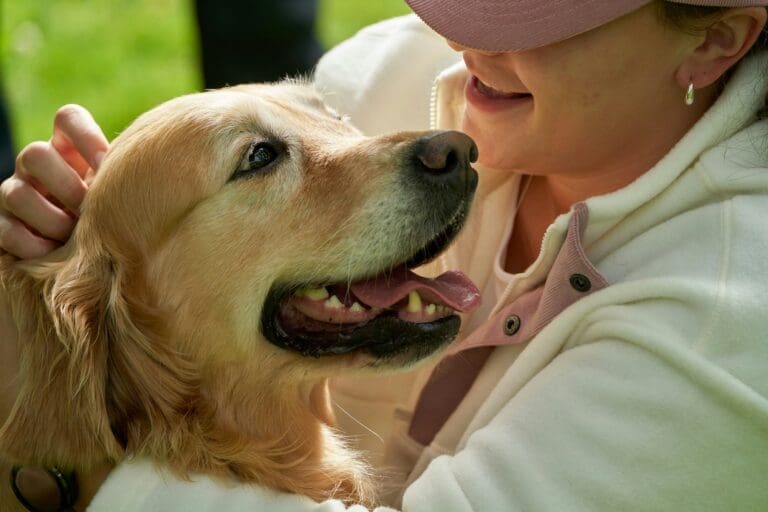
How Animal Hospitals Provide Compassionate End Of Life Care

Facing the end of a pet’s life tears at you in a quiet, heavy way. You want comfort for your pet. You also want clear guidance for yourself. An animal hospital in Bartlett can give both. Staff see this pain every day. They speak with honesty. They act with respect. They focus on what your pet feels right now. You learn what to expect in the next hour, the next day, and the final moment. You hear options in plain language. You get time to think. You are never rushed. First, you gain help to manage pain and stress. Second, you receive support in choosing when to say goodbye. Third, you find care for your grief after your pet is gone. This blog explains how animal hospitals support you through each step, so you do not feel alone or unsure during one of life’s hardest goodbyes.
Knowing When It May Be Time
You may ask every day if your pet still has enough joy. You may feel fear that you will choose too soon. You may also fear that you will wait too long. An animal hospital helps you look at clear signs so you do not carry this alone.
- Changes in eating or drinking
- Trouble walking or standing
- Loss of interest in play or family contact
- Ongoing pain that medicine no longer eases
- Breathing that seems hard or fast
Many hospitals use a quality of life scale. You rate things like comfort, hunger, hydration, and joy. You talk through each point with the care team. You gain a picture that feels honest, not vague.
You can read more on quality of life from the National Institute on Aging. The guidance focuses on people, yet the ideas about comfort and dignity can help you frame questions for your pet as well.
Pain Relief And Comfort Care
Once you know your pet has a serious condition, the focus often shifts. Cure may no longer be possible. Comfort becomes the goal. An animal hospital explains what that means in daily life.
Comfort care often includes three main parts.
- Pain control. The team uses medicines, gentle handling, and quiet space. You learn the signs of pain so you can speak up early.
- Support for body needs. You may receive help with fluids, nutrition, and wound care. You learn how to lift or move your pet in a safe way.
- Home routines. Staff help you adjust bedding, litter boxes, stairs, and outdoor time. They aim to keep your pet close to you with less strain.
Comfort care can happen in your home or at the hospital. The team respects your limits. They work with you to choose what feels right for your pet and your family.
Talking About Euthanasia
The word euthanasia can feel sharp. Yet clear speech can reduce fear. The care team explains what euthanasia is and what it is not. You learn that the goal is to prevent more suffering when a cure is no longer possible.
During these talks, you can expect three clear steps.
- You hear honest facts about your pet’s condition and likely course.
- You share what matters most to you and your family.
- You discuss timing and setting in detail.
You are never ordered to make a choice. You are guided. You are given space to cry, to pause, and to bring in family members. You are told that love and grief can sit side by side as you decide.
What Happens During The Visit
Many fears come from not knowing what will happen. A clear plan can soften that fear. An animal hospital walks you through each step before the visit.
| Step | What The Hospital Does | What You Can Do |
|---|---|---|
| Arrival | Staff place you in a quiet room. Lights and noise stay low. | Bring a blanket or toy. Sit close to your pet. |
| Review | Team reviews the plan and answers questions. | Ask anything that feels unclear. Confirm aftercare choices. |
| Sedation | Pet receives a shot to relax and fall into a deep sleep. | Hold or touch your pet. Speak softly. |
| Euthanasia | The doctor gives a second shot for a peaceful passing. | Stay if you wish. Step out if it feels too heavy. |
| Confirmation | Doctor checks heart and breathing. Confirms time of death. | Take a quiet moment. Say goodbye in your own way. |
| Aftercare | Staff follow your choice for burial or cremation. | Decide on keepsakes such as a paw print or fur clipping. |
You choose how much you want to see. You may stay for every step. You may step out for part of the visit. Staff respect your choice without judgment.
Choices For Aftercare
Thinking about your pet’s body can feel harsh while you are still raw. Yet early planning can protect you from hard choices in the moment. Hospitals explain local laws and practical options.
Common choices include three paths.
- Home burial. Allowed in some communities. You receive guidance on depth and location.
- Private cremation. Your pet is cremated alone. You may receive ashes in an urn.
- Communal cremation. Multiple pets are cremated together. Ashes are not returned.
Staff can also help you plan memorials. You might choose a paw print, a photo book, or a small ceremony. You might involve children in a simple way, such as writing notes or drawing pictures.
Support For Your Grief
Your grief is real and valid. It can match the weight of losing a person. Many animal hospitals now treat your grief as part of the care, not an afterthought.
Support often includes three kinds of help.
- One on one talks. Staff listen without trying to fix your pain. They name your loss as real.
- Printed or online resources. You receive reading on grief and coping. Some hospitals share support line numbers.
- Support groups. You may be referred to groups where others share pet loss stories.
The National Cancer Institute offers guidance for caregivers on end-of-life planning and grief. The focus is human care, yet many ideas about mourning and support can help you and your family process the loss of a pet.
Talking With Children And Other Family Members
Children often feel the loss very strongly. They also watch how you handle it. An animal hospital can coach you on clear, honest words.
- Use simple terms like “died” or “death”. Avoid confusing phrases.
- Describe what will happen during the visit in plain steps.
- Answer questions directly. Admit when you do not know the answer.
You can let children choose how to say goodbye. Some may want to be present. Others may prefer to draw a picture or send a toy with the pet. There is no single right way.
How To Prepare Ahead
You can take a few steps now, even if your pet is healthy, so you feel less lost when hard news comes.
- Ask your animal hospital about their end-of-life services.
- Keep a written list of your pet’s daily joys. Use it later to notice a change.
- Talk with family members about what matters most for your pet’s comfort.
When the time comes, you will not feel ready. Yet you will feel supported. You will know that your pet is not alone. You will know that every step, from pain control to aftercare, is shaped by respect for the bond you share.