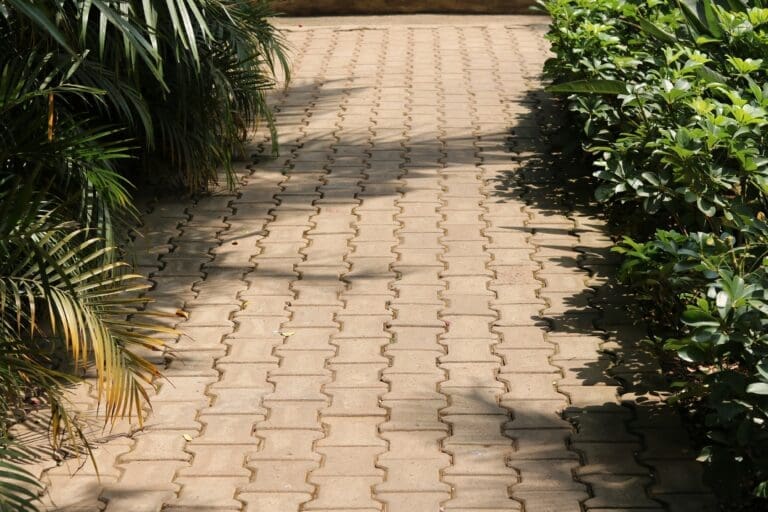
Decorative Concrete Stamping Techniques for Unique Outdoor Spaces

Creating an inviting and visually appealing outdoor retreat has never been easier, thanks to advancements in decorative concrete stamping. This method unlocks immense creative potential, allowing you to replicate the luxurious appearance of natural materials—such as slate, stone, or hardwood—right in your backyard, driveway, or patio. By utilizing concrete decorative stamps, homeowners and professionals can achieve high-end results while maintaining affordability and durability. These stamped surfaces not only complement the natural landscape, but they also provide long-lasting value with minimal upkeep.
Whether you dream of a rustic wood-grain patio, an elegant brick walkway, or a seamless textured drive, decorative concrete stamping makes these ambitions possible without the typical maintenance headaches. The wide array of available patterns and colors ensures that every outdoor space can be crafted to reflect your personal style. Proper planning, preparation, and ongoing maintenance can help you extend the life and beauty of your stamped surfaces for years to come. Understanding the ins and outs of these techniques will empower you to invest wisely and maximize the impact of your outdoor space.
Understanding Decorative Concrete Stamping
Decorative concrete stamping is a process in which intricate patterns are pressed into freshly poured concrete, allowing the surface to mimic the appearance of natural stone, brick, slate, or wood. The popularity of this approach stems from its versatility and the vibrant, designer-level finishes it provides at a fraction of the cost of authentic materials. In addition, stamped concrete offers significant performance benefits: it resists shifting and weed growth between joints, and wears exceptionally well under harsh weather conditions.
Looking beyond the initial visual impact, decorative stamping adds value by reducing long-term maintenance when compared to more traditional outdoor paving materials. According to Better Homes & Gardens, stamped concrete has become a top choice for residential and commercial projects where beauty, practicality, and longevity are all equally important considerations.
Popular Stamped Concrete Patterns
The aesthetic possibilities with stamped concrete are virtually limitless. Some of the most sought-after patterns include:
- Wood Plank: This pattern replicates weathered wooden planks, giving areas such as patios and porches a warm, timber-inspired appearance, without the need for rotting, splintering, or regular staining associated with real wood.
- Herringbone Brick: Recognized for its geometric precision, the herringbone brick arrangement brings a classic charm to walkways and courtyards. The V-shaped design introduces dynamic movement and timeless elegance to the surface.
- Random Stone: With its irregular shapes and varying sizes, random stone patterns masterfully replicate the look of genuine flagstone or slate, making them perfect for garden paths or naturalistic patio spaces.
- Seamless Texture: For modern or minimalist landscapes, seamless texture mats create large spans of smooth or lightly textured concrete, producing a clean and sophisticated finish without visible lines or separations.
Step-by-Step Guide to Stamping Concrete
- Preparation: Success begins with solid ground—ensure the subgrade is compacted and graded for drainage. Set up sturdy forms to outline the project area and prevent the concrete from spreading.
- Pouring Concrete: Mix to the proper consistency and pour evenly, aiming for a typical thickness of 4 inches. Work quickly, as the timing of the next steps is critical.
- Coloring: Choose either an integral color mixed into the concrete or a color hardener dusted onto the surface. This step sets the foundation for realistic hues and impressive curb appeal.
- Stamping: When the surface is firm but pliable, lay the stamp mats starting at one edge and press them carefully into the concrete. Move steadily but efficiently, maintaining pattern alignment.
- Curing: Allow the concrete to cure slowly to avoid cracking. Curing compounds or coverings may be used, depending on the climate and specific application requirements.
- Sealing: Once dry, apply a high-quality sealer to lock in the color and provide protection from stains, freeze-thaw cycles, and UV rays. A well-sealed surface retains its beauty for years to come.
For more inspiration and technical advice on project planning, the Houzz resource on stamped concrete provides a comprehensive overview with expert insights.
Maintenance Tips for Stamped Concrete
Maintaining a stamped concrete surface is straightforward with these simple guidelines:
- Regular Cleaning: Sweep or hose off loose debris and wash with a mild detergent when needed to prevent buildup of grime or organic material.
- Sealing: Reapply a protective sealer every 2 to 3 years. This guards against wear, fading, moisture penetration, and surface stains.
- Prompt Repairs: Address hairline cracks or chips as soon as possible by using compatible patching materials designed for decorative concrete. Early intervention prevents small issues from becoming costly repairs in the future.
Cost Considerations
The costs associated with stamped concrete depend on several key factors: pattern complexity, color details, stamping area size, and regional labor rates. Homeowners typically invest between $8 and $18 per square foot. Although this is higher than the cost of basic untreated concrete, the savings compared to natural stone, brick, or wood paving are substantial. Additionally, the return on investment includes reduced maintenance costs and increased property value, making stamped concrete a budget-friendly solution for enhancing the aesthetics of any outdoor environment.
Conclusion
Decorative concrete stamping is a highly effective way to transform ordinary outdoor surfaces into captivating features that elevate a home’s exterior. By exploring a diverse range of patterns and textures and following best practices for installation and care, homeowners can enjoy beautiful, functional, and resilient outdoor living spaces that will impress guests and stand the test of time. With so many creative possibilities and the inherent durability of stamped concrete, your next patio, walkway, or driveway can truly become a one-of-a-kind masterpiece.