A Comprehensive Guide to Choosing the Right Interlocking Pavers
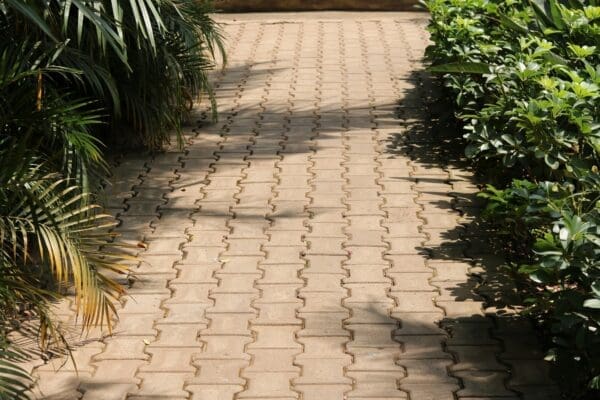
Interlocking pavers are a practical and attractive option for transforming outdoor spaces. Their flexibility, durability, and design versatility make them a top pick for homeowners wanting to upgrade driveways, patios, or walkways. For those living in regions with harsh winters, considering winter-resistant interlock installation in Ottawa can ensure long-lasting results despite severe seasonal conditions. Selecting the best interlocking pavers involves evaluating aesthetic preferences and the intended function of the space. This guide explores popular paver materials, key selection factors, design options, and maintenance tips to help you make an informed decision and achieve enduring curb appeal.
Understanding Interlocking Pavers
Interlocking pavers are individual paving units designed to fit together in a patterned arrangement, much like puzzle pieces. This modular design creates a stable, yet flexible surface that adjusts to ground shifts and temperature changes. Unlike poured concrete, which can crack with freeze-thaw cycles, interlocking pavers distribute pressure evenly and retain structural integrity over time. This makes them an excellent choice for areas that experience challenging climate conditions. Often used for driveways, patios, walkways, and pool decks, interlocking pavers provide both function and style. Their unique locking mechanism prevents excessive shifting and promotes durability, ensuring the surface can withstand regular use.
Types of Interlocking Pavers
There are several popular materials to choose from:
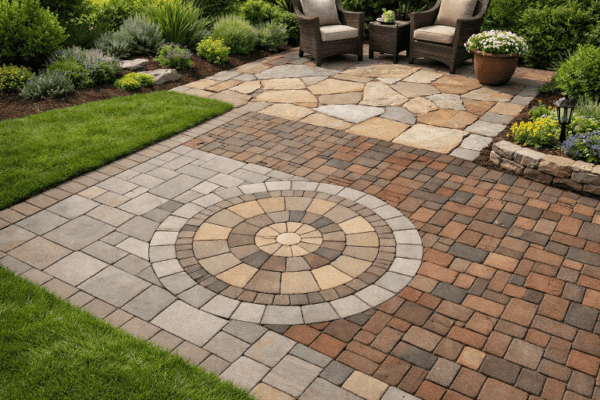
- Concrete Pavers: Concrete pavers are widely chosen for their affordability and variety. These come in a variety of shapes, sizes, textures, and colors, making them suitable for driveways, walkways, and patios. Their versatility appeals to both traditional and modern tastes.
- Brick Pavers: Known for their natural color and classic appeal, brick pavers offer time-tested durability and elegance. They are particularly popular for historic homes or anyone seeking a rustic, traditional look.
- Natural Stone Pavers: Natural stone, including granite, slate, or limestone, provides a high-end appearance thanks to its unique colors and textures. Every stone paver adds individuality, enriching outdoor environments with richness and character.
Factors to Consider When Choosing Pavers
To select the best option for your project, weigh the following considerations:
- Climate: The resilience of the material in the face of local weather is crucial. In freeze-thaw climates, choose pavers designed to absorb expansion and contraction without spalling or cracking.
- Load Requirements: Think about how the area will be used. A driveway needs thicker, more robust pavers than a simple garden path. Ensure your choice is rated appropriately for either pedestrian or vehicular loads.
- Maintenance: Different materials have varying maintenance needs. For example, concrete pavers are relatively low-maintenance, while natural stone may require periodic sealing to preserve its beauty.
Design and Pattern Options
Choosing the right design and pattern can enhance both the beauty and stability of your hardscape project. Common interlocking paver patterns include:
- Herringbone: Interlocking strength makes this pattern ideal for areas with heavy traffic, such as driveways and walkways.
- Basket Weave: This design offers a traditional look that suits patios, garden paths, and courtyards.
- Running Bond: With a staggered arrangement, this pattern provides a clean, linear aesthetic that works well in modern landscaping schemes.
Consider exploring other pattern variations or style blends to create a customized appearance that ties your outdoor space to your home’s architectural features.
Installation and Maintenance Tips
The success of any interlocking paver project begins with meticulous installation. A properly prepared and compacted base will prevent shifting and uneven settling. While experienced DIY enthusiasts may be able to tackle smaller projects, hiring professionals ensures optimal results, especially for complex patterns or larger surfaces. Routine maintenance prolongs the appearance and functionality of your pavers. Basic upkeep includes sweeping away debris, promptly removing stains, and adding joint sand when needed to reduce weed growth and keep pavers stable. For surfaces exposed to heavy wear or harsh conditions, applying a sealant protects against weathering and staining.
Cost Considerations
The price of an interlocking paver project depends on material selection, design complexity, and installation needs. Concrete pavers typically provide the most affordable option per square foot, while natural stone pavers come with a higher price tag due to their weight, uniqueness, and extraction costs. Remember to factor in the cost of professional installation, which is often recommended for the best long-term results. Annual maintenance costs, including cleaning and resealing, should also be considered in your budget.
Conclusion
Investing in interlocking pavers offers a blend of functionality, style, and durability for any outdoor setting. By carefully evaluating materials, design, and installation, you can choose the best pavers to suit your needs, climate, and aesthetic vision. A thoughtful selection and attentive care can yield a beautiful, lasting hardscape that adds value and enjoyment to your home for years to come.