Common Causes of Cracked Windows and How to Prevent Them

Cracks in windows are a common issue that many homeowners face, often appearing unexpectedly and causing concern. These cracks can result from a variety of factors, including sudden temperature changes, physical impacts, or structural shifts in a building. Even small imperfections can compromise a window’s integrity, affecting both its appearance and functionality. Understanding the typical causes of window damage is the first step in preventing it and maintaining a safe, comfortable home environment.
Regular maintenance and careful handling can go a long way in minimizing the risk of cracks. Practical measures homeowners can take include inspecting for weak spots, avoiding sudden temperature extremes, and keeping windows clean and properly sealed. When cracks do appear, seeking professional window repair ensures the problem is addressed promptly and safely. By combining preventive care with timely repairs, homeowners can extend the life of their windows and avoid more extensive damage in the future.
Thermal Stress Cracks
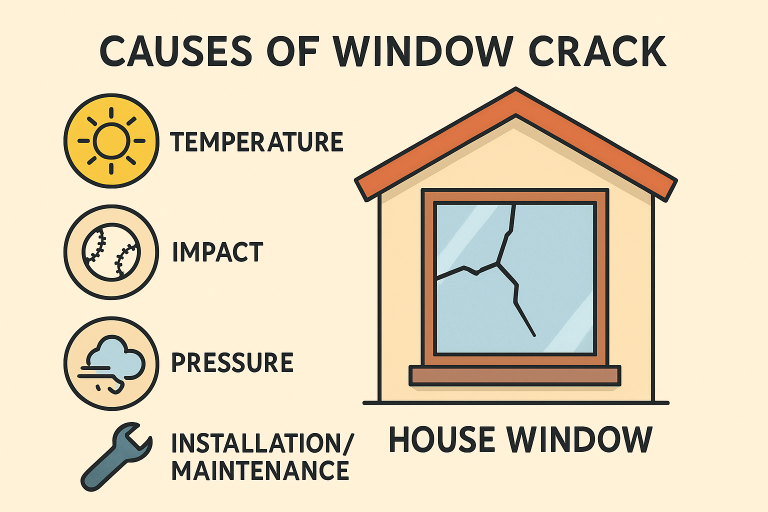
Thermal stress cracks develop in glass when temperature changes occur rapidly, such as when one section of a window heats up from sunlight exposure while another portion stays cool in the shade. The glass expands and contracts unevenly, building up internal pressure until fractures appear. These cracks are especially prevalent in larger custom windows or in rooms with direct, uneven sunlight exposure.
Prevention starts with thoughtful window placement and shading strategies. Use window treatments like shades or curtains to minimize direct heat, and install double or triple-pane windows that are better equipped to handle temperature fluctuations. When possible, avoid having HVAC vents blow directly onto glass surfaces, as the concentrated hot or cold air can increase the likelihood of stress cracks. A practical step involves selecting windows designed for your climate, which may offer enhanced resistance against such problems.
Impact Damage
Physical force is one of the most common reasons for cracked or shattered windows. Everyday accidents, ranging from a child’s errant baseball or a pet’s leap to storm-blown branches and debris, all pose risks to the integrity of your home’s glass. Even wildlife, such as birds accidentally flying into windows, can create noticeable cracks or chips.
To safeguard against accidental impact, consider installing impact-resistant glass types, such as laminated panes or storm-ready windows. Pruning trees and large shrubs near windows significantly reduces the possibility of branches causing accidental damage. Limiting high-energy activities near large window surfaces is another effective preventive measure. When inclement weather is expected, using protective storm shutters or temporary coverings on vulnerable windows ensures maximum protection.
Pressure Cracks
Pressure cracks are less common than thermal or impact-related cracks, but they can still pose a considerable threat. These cracks typically form in double- or triple-pane insulated glass units, where shifts in internal or external pressure force the glass to break with little warning. This might occur due to significant changes in weather patterns, fast-moving storms, or after window installation at a location with a drastic elevation difference from where it was manufactured.
Homeowners in high-altitude areas should work with glass professionals who understand local climate and pressure considerations. Choosing units with pressure equalization technology can further reduce your risk of these unusual but serious cracks. Professional, climate-appropriate installation is always a wise investment in these cases.
Poor Installation
Improper window installation is an often-overlooked source of ongoing problems. If a window is forced into a frame that is too tight or not properly squared, it may develop stress points along its edges. Over time, even small shifts in the home’s foundation or changes in seasonal temperature can accentuate these vulnerabilities, leading to cracking or warping.
The best way to ensure your windows are installed correctly is to hire a skilled, experienced professional who guarantees their work. Be sure to ask for references and verify that the installer follows the latest building codes for window placement and sealing. When in doubt, check reviews from major publications or the Better Business Bureau for guidance on choosing a reputable installer.
Age and Wear
Windows naturally degrade over time due to constant exposure to outdoor conditions like sun, wind, rain, and fluctuating temperatures. As window seals age, they can become brittle or detached, and dirt or mineral buildup can compromise the glass’s surface integrity. Old or poorly maintained windows are especially susceptible to small cracks, which can spread if left unaddressed.
Routine cleaning, annual inspections, and resealing are key to extending the lifespan of your windows. Applying protective coatings or films can also reduce damage from ultraviolet rays or acid rain. If you notice persistent condensation, drafts, or changes in how your window operates, consider arranging a professional inspection to address these problems promptly.
Preventive Measures
Preventing cracked windows requires a combination of proper installation, ongoing maintenance, and timely upgrades. Here are a few simple but powerful ways to protect your windows and avoid expensive repairs:
- Install window coverings or glazings to protect against thermal stress and sun damage.
- Upgrade to impact-resistant glass in high-risk or frequently used areas.
- Hire only professional installers with solid reputations and verifiable experience.
- Perform regular maintenance, including cleaning, inspecting seals, and making timely repairs.
- Consult product guides and resources from major organizations, such as Consumer Reports, before making purchasing decisions.
Conclusion
Window cracks can result from thermal stress, physical impact, pressure changes, poor installation, or natural wear over time. By understanding these causes and implementing preventive measures, homeowners can significantly extend the lifespan of their windows. Regular inspections and proactive care not only preserve the functionality and appearance of your windows but also help avoid costly replacements and ensure a safe, comfortable living environment.