How Weather and Materials Affect Backyard Playground Safety?

Backyard playgrounds offer children a space to play and build physical skills, but safety depends on more than just proper installation. Weather conditions and material choices directly affect how safe playground equipment remains over time, as exposure to sun, rain, snow, and temperature changes can cause damage that puts children at risk. Over 200,000 children visit emergency departments each year due to playground-related injuries, and many of these incidents are connected to equipment that has deteriorated from weather exposure or was made from inappropriate materials.
Parents and caregivers need to understand how different weather patterns impact playground equipment and which materials hold up best in various climates. Extreme heat can make metal slides and surfaces hot enough to burn skin, while cold temperatures may cause plastic components to crack or become brittle. Rain and humidity lead to rust on metal parts and promote mold growth on wooden structures.
The right material selection, combined with awareness of local weather patterns, helps maintain a safe play environment for children. This article examines how specific weather conditions affect playground safety and explores which materials provide the best protection against weather-related wear. Readers will learn practical steps to protect their backyard playground equipment and keep children safe during outdoor play.
How Weather Conditions Influence Playground Safety
Different weather conditions create specific safety challenges for backyard playgrounds. Rain and snow make surfaces slippery, extreme heat causes burns from hot equipment, and strong winds can damage structures or turn loose objects into hazards.
Impact of Rain, Snow, and Ice on Playground Equipment
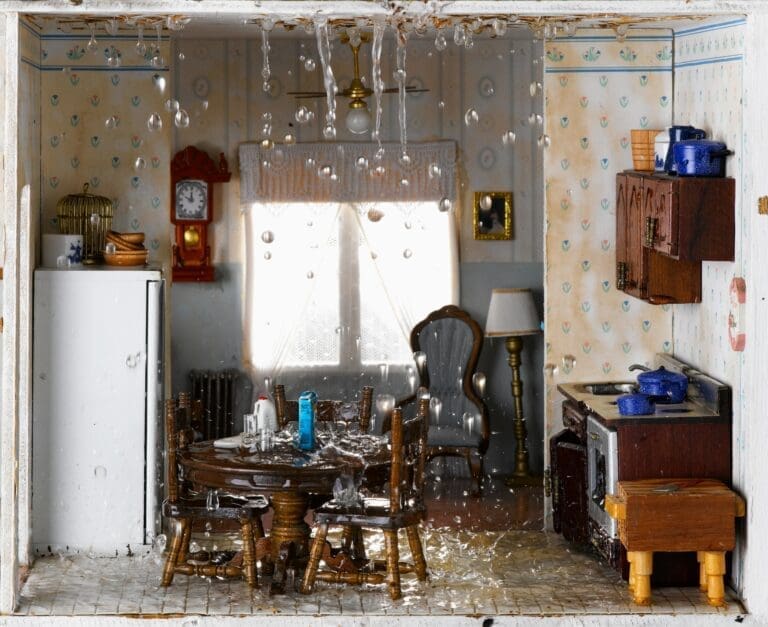
Rain creates slippery surfaces on playground equipment and ground coverings. Metal slides, plastic platforms, and wooden steps become hazardous as water reduces friction and increases the risk of falls. Children can lose their footing more easily on wet surfaces, which leads to injuries.
Snow and ice present even greater dangers. Ice forms on ladders, handrails, and steps, which makes them extremely slippery. Snow can hide potential hazards like broken equipment, sharp edges, or gaps in the structure. Freezing temperatures also affect material integrity as some plastics become brittle and crack more easily.
Water accumulation damages equipment over time. Wood absorbs moisture and begins to rot or warp. Metal parts rust when exposed to water repeatedly. Rain and snow also affect ground coverings, as rubber surfacing can become waterlogged and lose its shock-absorbing properties. Parents who want a safe backyard playground for kids should inspect equipment after each storm for damage, clear snow and ice before use, and ensure proper drainage to prevent water from pooling.
Effects of Extreme Heat and Sun Exposure
Hot weather creates serious burn risks on playground equipment. Metal slides, platforms, and handrails can reach temperatures above 150°F on sunny days. These surfaces can burn a child’s skin within seconds of contact. Plastic equipment also heats up significantly, though not as severely as metal.
Dark-colored materials absorb more heat than light-colored ones. Black rubber surfacing can become hot enough to burn bare feet. The risk increases in areas without shade, where direct sunlight hits equipment all day long.
UV exposure damages playground materials gradually. Plastics fade, become brittle, and crack after years of sun exposure. Wood dries out and splinters more easily. Ropes and netting deteriorate faster under constant UV rays. Therefore, regular inspections help identify sun-damaged components before they fail and cause injuries. Adding shade structures or choosing lighter-colored materials reduces heat buildup and protects equipment from UV damage.
Risks Associated With High Winds and Storms
Strong winds pose multiple threats to playground safety. Loose objects like swings, lightweight toys, or unsecured accessories can become airborne projectiles. These items can strike children or damage equipment. High winds also stress structural connections and can weaken bolts, screws, and joints over time.
Storms bring combined hazards of wind, rain, and sometimes hail. Trees near playgrounds may drop branches onto equipment. Lightning presents a serious risk as metal components conduct electricity. Severe weather can knock over poorly anchored structures or tear away canopies and shade covers.
Regular maintenance becomes essential to prevent wind-related accidents. Parents should secure all loose items before storms arrive and anchor equipment properly to prevent tipping. Inspections after high winds should check for loose bolts, bent frames, or new damage. Dead tree branches near the play area need removal to prevent them from falling during future storms.
Role of Playground Materials in Safety
The materials used to build backyard playgrounds directly impact how well they protect children from injuries. Different materials respond to weather in unique ways, and each requires specific care to maintain safe conditions.
Common Materials Used in Backyard Playgrounds
Most backyard playgrounds combine several material types. Metal components, typically made from steel or aluminum, form the structural frame for swings, slides, and climbing bars. Wood remains popular for platforms, borders, and decorative elements because it blends well with outdoor settings.
Plastic parts appear on slides, swing seats, and panels. Manufacturers often use high-density polyethylene because it resists fading and cracking. Rope and cable materials connect different play elements and create net climbers.
The surface beneath the equipment matters just as much as the structure itself. Engineered wood fiber provides soft landing zones and can protect children from falls up to 12 feet. Rubber mulch offers similar protection with less maintenance. Pour-in-place rubber creates a seamless surface that effectively absorbs impact. Some families choose artificial turf or natural grass, though neither provides as much fall protection as specialized safety surfaces.
Durability and Weather Resistance of Materials
Climate conditions determine how long playground materials last and how safe they remain. Metal components rust in humid environments or coastal areas with salt air. Galvanized steel and powder-coated finishes help prevent this deterioration, but they don’t eliminate it completely.
Wood faces threats from moisture, insects, and temperature swings. Pressure-treated lumber resists rot better than untreated wood. However, extreme heat causes wood to dry out and splinter. Cold temperatures can make wood brittle and prone to cracking.
Plastic materials handle moisture well but struggle with temperature extremes. UV rays from constant sun exposure break down plastic over time. This leads to fading, brittleness, and eventual cracking. Dark-colored plastics absorb more heat and can become too hot to touch during the summer months.
Surface materials also respond differently to weather. Rubber surfaces expand and contract with temperature changes. Wood fiber compacts after heavy rain and needs regular replenishment. Artificial turf drains well but can harbor bacteria in warm, moist conditions.
Material Maintenance and Inspection Guidelines
Regular checks prevent small problems from becoming safety hazards. Metal parts need inspection for rust, loose bolts, and sharp edges every month. Tighten all hardware and replace any rusted fasteners immediately. Apply rust-resistant paint to bare metal spots.
Wood components require checks for rot, splinters, and insect damage. Press a screwdriver into wood surfaces to test for soft spots that indicate decay. Sand down any rough areas that could cause splinters. Replace boards that show significant deterioration.
Check plastic elements for cracks, fading, and stability. Test the temperature of slides and other surfaces before children play on them. Replace any cracked or severely faded plastic parts.
Surface materials need attention too. Rake and level loose-fill surfaces like wood fiber or rubber mulch weekly. Add new material as needed to maintain proper depth. Remove debris, sharp objects, and standing water. Inspect poured rubber surfaces for separation, tears, or worn areas that reduce fall protection. Most experts recommend professional testing of surface depth and impact absorption annually.
Conclusion
Weather and materials work together to determine how safe a backyard playground stays over time. Parents need to check their equipment regularly for damage from sun, rain, and temperature changes. Metal parts can become too hot to touch in summer, while plastic pieces may crack in the winter cold.
The right materials help protect children from injuries. Wood, metal, and plastic each respond differently to weather conditions. Therefore, homeowners should choose equipment that matches their local climate and inspect it often for wear or damage that could create safety risks.