Choosing the Best Flooring for Your Home: Tips and Trends
Choosing the right flooring for your home can be a daunting task. With so many options available, it’s essential to understand the benefits and drawbacks of each type of material. This guide will help you navigate the flooring world, from understanding different materials to keeping up with the latest trends. Whether you’re considering a reliable flooring contractor Seattle or looking to embark on a DIY project, this article covers you. Flooring plays a significant role in the aesthetics of your home, as well as its functionality and value.
Before exploring the types of flooring, consider factors such as the room’s usage, your lifestyle, and your budget. Different areas of your home may require different flooring solutions, and what works in a high-traffic kitchen might not be suitable for a cozy bedroom. Let’s explore the various flooring options and trends to help you make an informed decision.
Types of Flooring
When it comes to flooring options, there are several main types to consider, each with its unique characteristics:
- Hardwood: Known for its durability and classic look, hardwood flooring brings timeless elegance to any room. It’s available in various types of wood, such as oak, maple, and cherry, and offers a wide range of finishes. While hardwood can be more expensive, its longevity and ability to be refinished multiple times often justify the cost.
- Laminate: Provides a similar look to hardwood but at a lower cost, making it a popular choice for budget-conscious homeowners. Laminate is made of a composite material pressed together, topped with a photographic layer miming wood or stone. It’s resistant to scratches and stains, making it ideal for high-traffic areas.
- Vinyl: Extremely versatile and available in various designs, vinyl flooring is an excellent option for moisture-prone areas. It is waterproof and low maintenance, with the appearance of stone, wood, or tile. Vinyl plank flooring has become more and more popular due to its realistic appearance and longevity.
- Tile: Ideal for high-moisture areas like bathrooms and kitchens, tile offers easy maintenance and durable performance. Ceramic, porcelain, and natural stone are just a few of the materials that may be used to make tiles, and each has its own benefits. They are resistant to water, stains, and wear, making them suitable for many settings.
- Carpet: Carpets provide warmth and coziness, making them ideal for living areas and bedrooms that want to feel warm and inviting. They come in various fibers, such as wool, nylon, and polyester, each providing different levels of softness, stain resistance, and durability. Regular cleaning is essential to maintain their appearance and longevity.
It will be easier for you to select the ideal flooring type for your home if you are aware of the benefits and drawbacks of each type.
Modern Flooring Trends
Flooring trends constantly evolve, reflecting technological changes, design preferences, and lifestyle needs. Among the flooring trends of the present are:
- Eco-Friendly Materials: Sustainable options like bamboo and cork are gaining more popularity. These materials are not only renewable but also offer unique aesthetics and comfort. Bamboo, for example, grows faster than traditional hardwoods and is equally durable, making it an eco-friendly alternative.
- Wide Plank Flooring: Makes rooms look larger and more luxurious. Wide planks have fewer seams, creating a more cohesive look. This trend spans hardwood and laminate options, providing homeowners with various style choices. The wide planks add a sense of sophistication and openness to any space.
- Waterproof Flooring: This type of flooring is perfect for homes with children or pets, offering peace of mind against spills and stains. Waterproof options in vinyl and laminate ensure that accidents don’t result in lasting damage. This trend is especially beneficial for kitchens, bathrooms, and basements, where moisture is a common concern.
According to expert advice in Seattle, keeping up with trends can also be beneficial for maintaining your home’s value. Integrating modern flooring trends can enhance the appeal and functionality of your living spaces, making your home more attractive to potential buyers.
Sustainability in Flooring
As more households become aware of their influence on the environment, there is a growing need for sustainable flooring solutions. Sustainable flooring options like reclaimed wood and eco-friendly carpets are now more accessible. Reclaimed wood repurposes old materials, reducing the need for new resources and adding unique historical character to homes. Similarly, eco-friendly carpets are made from natural or recycled fibers, promoting healthier indoor air quality and reducing landfill waste.
These options not only reduce waste but also promote healthier living environments. By choosing sustainable materials, homeowners contribute to environmental conservation and support green building practices.
Durability and Maintenance
A vital consideration when choosing flooring is durability, as it directly affects your floors’ lifespan and maintenance requirements. Hardwood and tile are known for their longevity, with hardwood offering the added benefit of being refinished multiple times. Long-term homeowners will find these materials to be worthy investments because, with proper maintenance, they can last for decades.
On the other hand, because of wear and tear and especially in places with heavy use, carpets may require repair more frequently. However, advancements in stain-resistant treatments and fiber technology have improved the durability of modern carpets. The choice of flooring is significantly influenced by maintenance as well. For instance, vinyl and laminate are easier to clean than carpets, which may require professional cleaning to maintain their appearance. Cleaning and maintaining your floors can extend their life and keep them looking fresh for years.
Installing Flooring
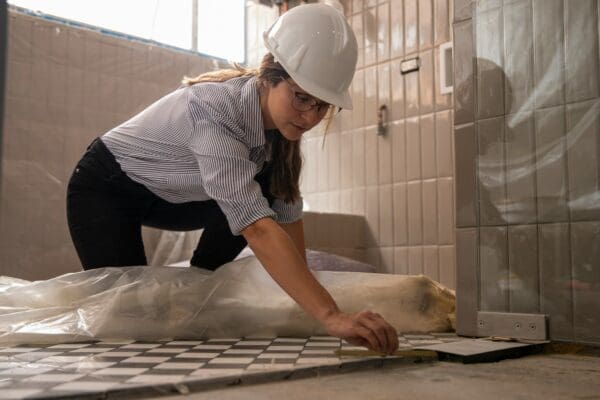
Installation is a critical step in achieving the desired look and longevity of your flooring. Make sure you adhere to recommended practices to prevent typical problems whether you decide to DIY the project or hire pros. Professional installation often guarantees a higher-quality finish and can save time and effort. However, DIY installation can be rewarding if done correctly and save you money on labor costs.
Preparing the subfloor is essential for a smooth installation. Ensuring the subfloor is clean, dry, and level will prevent uneven surfaces or creaking. Using the proper adhesives and following manufacturer guidelines specific to the flooring type can significantly affect the outcome. For those looking to follow detailed instructions, many manufacturers provide installation guides and videos to assist with the process, ensuring that even DIY enthusiasts can achieve professional-looking results.
Conclusion
It’s important to consider your needs and look into your possibilities while selecting the ideal flooring for your house. From sustainable choices to modern trends, the right flooring can elevate your home’s aesthetics and functionality. Consider factors like durability, maintenance, and environmental impact to make an informed decision that will last years. Whether you’re upgrading your home’s look or enhancing its functionality, flooring is vital in creating a comfortable and sustainable living space.