A Guide to Choosing the Right Commercial Property for Lease
Securing the ideal commercial property sets the foundation for long-term business success. The right environment not only supports day-to-day operations but also influences your ability to attract customers, optimize workflow, and anticipate future growth. Whether you’re looking to expand, relocate, or launch a new venture, it’s essential to evaluate potential spaces through multiple lenses. For those considering opportunities in Canada’s capital, Ottawa Office Space Leasing offers a diverse selection tailored to a broad spectrum of business needs.
Before signing any lease agreement, take the time to understand how commercial properties impact both your overhead and your brand’s perception. Strategic decisions made at this stage—around budget, location, and fit for purpose—can mean the difference between smooth growth and preventable setbacks. The process may be complex, but thoughtful preparation ensures you choose a space that empowers your business to reach its full potential.
Understanding Your Business Needs
Begin your search by forming a clear picture of what your business needs to operate efficiently. Assess workflow, staffing, storage, and customer interaction requirements to determine the optimal square footage and layout. For example, a customer-facing retail business will often need eye-catching windows and accessible entrances, while a tech startup may prioritize collaborative workspaces and robust IT infrastructure.
Detailing these requirements at the onset prevents costly amendments later. Involve key team members in these discussions to gain a full view of what’s needed for both current operations and long-term goals. According to Forbes Business Council, business leaders frequently cite inadequate facilities as a factor impeding growth, highlighting the importance of this foundational step.
Location Matters
Location plays a significant role in the success of any factor. Evaluate the area’s visibility, transportation options, parking, and nearby amenities. The right location not only ensures easy access for employees and customers but also positions you close to supply chains, partners, and complementary businesses that can drive foot traffic or simplify logistics.
Local market trends, population demographics, and development plans should all be considered when making decisions. An up-and-coming district might offer growth potential, while established business corridors may bring built-in customer bases. Conducting thorough research on these aspects can expand your perspective and highlight opportunities you might otherwise overlook.
Budgeting Beyond Rent
Controlling costs extends far beyond the monthly rent. Consider all expenses associated with the property to create an accurate budget and minimize financial surprises. Common costs include maintenance, utilities, insurance, property taxes, and any fees for parking or common areas. Factor in the potential cost of improvements or compliance upgrades, especially in older buildings.
Hidden costs can add up quickly and put unnecessary strain on your balance sheet. A comprehensive budgeting approach will help you evaluate properties realistically and create room in your finances for both expected and unexpected expenses. For more budgeting guidance, visit the U.S. Small Business Administration’s resource on startup costs.
Property Types and Zoning
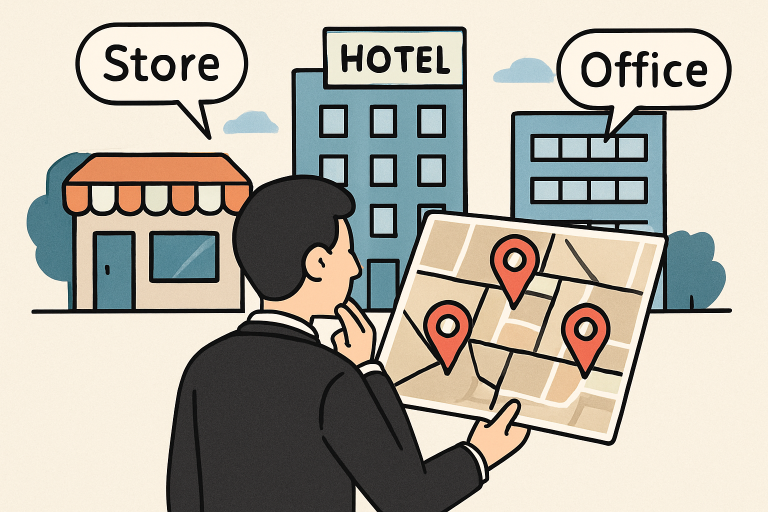
Different business models demand different types of spaces. The three most common commercial property types are:
- Retail Spaces: Designed for direct-to-consumer transactions, prioritizing high visibility and foot traffic.
- Office Spaces: Geared toward administrative and professional functions, with amenities like meeting rooms and connectivity infrastructure.
- Industrial Spaces: Used for manufacturing, warehousing, and logistics, usually offering high ceilings and loading facilities.
Just as crucial as the type is the property’s zoning classification. Zoning laws dictate which types of businesses can operate in specific areas. Always verify that your intended use aligns with municipal or regional zoning requirements to prevent costly compliance issues or business interruptions.
Lease Terms and Negotiations
Lease agreements are detailed contracts that outline the rights and responsibilities of both the tenant and the landlord. Pay close attention to the lease length, renewal options, rent increases, maintenance responsibilities, and restrictions on alterations. These terms define your legal relationship for years to come and affect your ability to adapt as circumstances change.
Negotiation Tips
Everything in a commercial lease is potentially negotiable, from rent to out-of-pocket expenses and tenant improvement allowances. Work toward clauses that protect your business, such as caps on rent increases or the ability to sublet in case of downsizing. Consulting a commercial real estate attorney ensures your interests are safeguarded and protects you from boilerplate clauses that could cause issues down the line.
Working with Professionals
Commercial leases and property searches often involve complexities that professionals are best equipped to handle. A reputable commercial real estate broker not only identifies suitable properties but also provides valuable insights into market trends, comparable rates, and effective negotiation strategies. Legal advisors are crucial for reviewing lease terms, identifying potential issues, and assisting in resolving disputes before they escalate.
Working with experts reduces risk and provides clarity in an otherwise complicated landscape. Their inside knowledge and negotiation experience often result in better terms and fewer hassles along the way.
Conducting Due Diligence
Before signing your lease, thorough due diligence is essential. Inspect the property personally or with the help of inspectors to assess building condition, regulatory compliance, safety systems, and overall suitability. Confirm the availability of necessary permits and verify that there are no hidden legal issues or encumbrances. Address outstanding questions or concerns now to avoid trouble later.
Successful due diligence isn’t just about the structure itself; it’s also about ensuring the property fits with your operations, employee workflow, and the customer experience you want to shape.
Planning for Future Growth
Choose a commercial property that can accommodate your anticipated business growth. Whether that means selecting a larger space than you currently need, securing expansion rights in your lease, or negotiating flexible lease duration, planning ahead positions your business for scalability. Relocating can disrupt operations and incur additional costs, so ensuring some “room to grow” is a prudent investment.
Thoughtfully chosen commercial property is more than a location—it’s a business asset that can help you build a reputation, foster innovation, and set the stage for long-term prosperity.