5 Tips for Becoming a Better Wine Taster
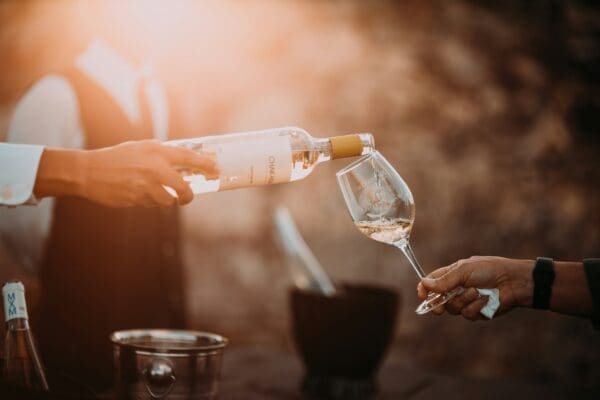
Wine tasting is an art that combines sensory observation with personal enjoyment. For the novice wine enthusiast or the seasoned connoisseur, enhancing your wine tasting skills can deepen your appreciation for the complexities and nuances that each bottle has to offer. Whether you’re venturing out to explore the renowned vineyards during wine tours or simply savoring a glass at home, these five tips will help you become a more discerning wine taster.
Tip 1: Understanding the Basics of Wine Tasting
Before diving into the world of wine tasting, it’s essential to grasp the basics. Wine tasting is more than just sipping; it’s a sensory experience that involves observing the wine’s appearance, aroma, taste, and finish.
–Appearance: Start by examining the wine’s color and clarity. Pour the wine into a clear glass and hold it against a white background to observe its hue, which can offer clues about the wine’s age and grape variety. A younger red might appear more purple, while an older one might have a brick-red tint. White wines generally range from pale straw to deep gold.
–Aroma: Swirl the wine gently in the glass to release its aromas. Take a deep sniff and try to identify the different scents. Are there notes of fruit, flowers, herbs, or spices? The aroma can give you insights into the wine’s flavor profile and complexity.
–Taste: Take a small sip and let it coat your palate. Pay attention to the wine’s sweetness, acidity, tannins, and body. Notice how these elements balance with each other and the flavors that emerge.
–Finish: The finish refers to the aftertaste that lingers once you’ve swallowed the wine. A long, satisfying finish is often a sign of a high-quality wine.
Tip 2: Expand Your Palate
To become a better wine taster, it’s crucial to expand your palate by exploring a wide variety of wines. Don’t limit yourself to the familiar; venture out and try different grape varieties, regions, and styles.
–Try Different Regions: Wines from different regions offer unique characteristics due to variations in climate, soil, and winemaking practices. For instance, a Cabernet Sauvignon from Napa Valley will differ from one produced in Bordeaux. Embarking on Paso Robles wine tours can introduce you to diverse offerings from this vibrant wine region. Wineries like Shale Oak Winery make it easy to explore the region without a reservation, so you can pop in, taste a few pours, and let your palate guide you.
–Experiment with Varieties: Each grape variety has distinct characteristics. Exploring varieties like Pinot Noir, Chardonnay, Syrah, and Zinfandel can broaden your understanding of wine’s potential.
–Attend Tastings and Classes: Participating in wine tastings and educational classes can expose you to new wines and provide insights from experts. This can be a valuable way to refine your palate and learn from others in the wine community.
Tip 3: Practice Mindful Tasting
Mindful tasting involves being present and fully engaged in the wine tasting experience. This practice can help you develop a deeper connection with the wine and enhance your sensory perception.
–Eliminate Distractions: Create an environment conducive to focused tasting. Turn off your phone, and minimize background noise and strong odors that could interfere with your ability to concentrate on the wine.
–Take Notes: Document your impressions of each wine you taste. Note the wine’s appearance, aroma, taste, and finish, along with your personal observations. Over time, you can refer back to these notes to track your progress and identify patterns in your preferences.
–Savor the Experience: Allow yourself enough time to fully appreciate each wine. Don’t rush through the tasting; instead, take the time to savor each sip and reflect on the sensations it evokes.
Tip 4: Develop Your Wine Vocabulary
To articulate your wine tasting experiences effectively, it’s helpful to develop a wine vocabulary. This will enable you to describe wines more accurately and communicate your preferences to others.
–Learn the Terminology: Familiarize yourself with common wine descriptors such as “crisp,” “full-bodied,” “oaky,” “tannic,” and “floral.” Understanding these terms will help you pinpoint specific characteristics in the wines you taste.
–Use Analogies and Comparisons: Drawing comparisons to familiar smells and flavors can help you describe the wine more vividly. For example, you might describe a wine’s aroma as reminiscent of fresh roses or its taste as similar to ripe blackberries.
–Practice Describing Wines: Regularly practice describing wines, whether in writing or conversation. This will help you refine your ability to communicate your observations and better understand the wines you enjoy.
Tip 5: Trust Your Own Palate
While expert opinions and ratings can be valuable, it’s important to trust your own palate and preferences. Wine tasting is a personal experience, and what you enjoy may not align with popular opinion.
–Embrace Your Preferences: Don’t be swayed by trends or the opinions of others. If you prefer a certain style or varietal, embrace it. Your enjoyment is what matters most.
–Stay Open to New Experiences: While it’s important to trust your palate, remaining open to new experiences can lead to delightful discoveries. Don’t hesitate to try wines outside your comfort zone, as they may surprise you.
–Refine Your Taste Over Time: As you taste more wines and expand your knowledge, your palate will naturally evolve. Allow your preferences to develop and change as you gain more experience.
Conclusion
Becoming a better wine taster is a journey that involves exploration, education, and personal reflection. By understanding the basics of wine tasting, expanding your palate, practicing mindful tasting, developing your wine vocabulary, and trusting your own preferences, you can enhance your appreciation for the diverse and fascinating world of wine. Whether you’re exploring new wines at home or participating in wine tours, these tips will guide you toward becoming a more skilled and confident wine taster. Remember, the most important aspect of wine tasting is the enjoyment it brings, so savor every moment and every sip.