Your Story, Your Legacy: How Veterans Can Turn Service into Memoir
Your service is more than just dates, deployments, and duties—it’s a story worth telling. For veterans, creating a memoir is about turning a chapter of life into a legacy for future generations.
But where to start? Many veterans feel their experiences, big or small, shaped who they are today, and sharing these can bring a sense of pride, healing, and understanding. Whether your goal is to connect with family or offer wisdom to others, crafting a memoir doesn’t need to be overwhelming.
That’s why this article is your simple guide that helps you put your military journey into words.
Why a Memoir Matters
A memoir is a powerful way to share life lessons and memories. It gives a voice to your experiences and allows others to understand what you went through. Many veterans find that writing down their stories helps them reflect on how service impacted their lives and values.
It can also help loved ones see you in a new light, understanding your journey in ways they may not have known. When you write, you’re giving others a chance to walk a mile in your boots, learning from the highs and lows that shaped you.
For example, a veteran might write about a humorous incident during training or a difficult farewell to family before deployment. These real, heartfelt moments add depth to a story. They connect readers to the writer in a way that just a timeline of events never could.
How to Get Started
Getting started might seem challenging, but it doesn’t have to be. Start with a few questions: What do you want people to know? Which moments shaped you most? Think of your military journey as a story with different chapters—why you joined, memorable moments, and lessons learned along the way.
To make it easier, consider using a guided format. Some platforms offer prompts and templates to help you structure your memoir. These guides help you answer questions like “What was the most challenging part of training?” or “What friendships made a lasting impact?” so your story flows naturally.
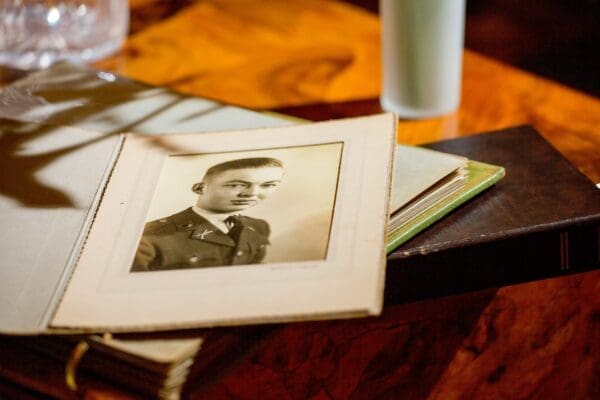
Yet, words have their limits; adding photographs could bring even more depth to your story. Using veterans original photographs alongside the story offers readers a source of motivation and inspiration. Adding these images from your service provides a compelling visual layer to your story. They let readers step into your experiences and see the moments that defined your journey.
Writing in Your Own Voice
One of the biggest concerns veterans have is that they’re “not writers.” But remember, you don’t need to be a professional to tell your story. Your experiences are what matters, not fancy language or perfect grammar. Write as if you’re having a conversation. Use your own words and expressions. Your voice makes the story real and authentic.
For instance, if you’re telling a story about a buddy who had a knack for lifting spirits during tough times, describe it as you remember it. Whether you use humor, emotion, or just plain honesty, your story will resonate more if it sounds like you.
Readers, especially family and friends, will appreciate hearing your story as if they were sitting right beside you.
Structuring Your Memoir
A good story has a beginning, middle, and end. For your memoir, think of the beginning as your journey into military life—why you joined, who inspired you, and what you left behind. The middle is where your service experience shines, including training, deployments, and key moments. The end can focus on coming home, readjusting to civilian life, and the lessons that stick with you.
You don’t have to write chronologically. Some veterans find it helpful to jot down stories as they come to mind and then organize them later. And if you’re stuck, look for inspiration from questions or prompts designed for veterans. These prompts can cover everything from your earliest days in uniform to your proudest moments, helping to keep your memories flowing.
Making it Accessible for Family and Friends
Once your memoir is ready, think about how you’d like to share it. Many veterans choose to email a digital copy to loved ones or print a bound version for easy reading. With options to format and print up to hundreds of pages, some services let you turn your story into a true keepsake, complete with a durable cover and free shipping.
Whether you choose digital or print, a memoir helps bridge the gap between your military life and those who may not have experienced it firsthand. By sharing your story, you’re helping others understand your journey while creating something they’ll treasure for years.
Conclusion
Writing a memoir is about more than preserving memories. It’s a way to honor your service and share your story with those who matter most. Even if you’re not a writer, there are easy tools and guides to help you bring your experiences to life. Take it one step at a time. Remember, your story is your legacy—one worth sharing and preserving for future generations.