Why Your Furnace Keeps Shutting Off—And What It Means
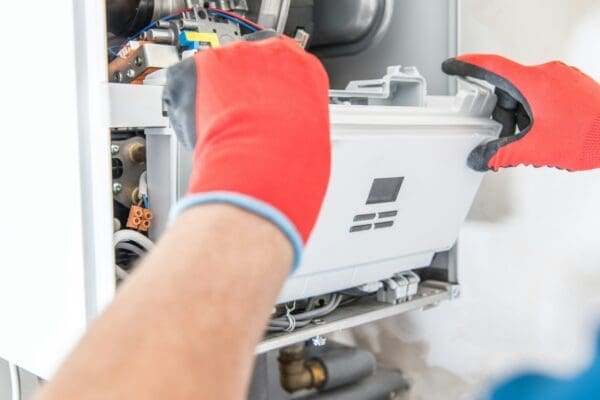
When your furnace turns off unexpectedly, it can be uncomfortable and concerning. A furnace’s frequent shutdowns may arise from seemingly minor issues such as clogged filters or obstructed vents, but can also be traced to complicated system errors or safety mechanisms. Tackling regular furnace interruptions at their source can help you avoid larger issues and ensure both the safety and efficiency of your home heating system. Whether the root is a unique mechanical failure or something as simple as a dirty air filter, scheduling a furnace tune-up Cincinnati is a proactive way to identify and resolve these issues before they become serious. Qualified technicians can perform a comprehensive check, from thermostat diagnostics to safety switch verification, that keeps your system in peak condition.
Short Cycling: The Main Culprit
Short cycling is one of the most common issues behind a furnace that repeatedly starts and stops before meeting the thermostat’s temperature setting. When a furnace short-cycles, it fails to heat your home evenly, placing extra wear and tear on internal components. According to the U.S. Department of Energy, causes of short cycling often include improper furnace sizing, restricted airflow, or overheating—any of which can jeopardize long-term system health.
Thermostat Errors and Solutions
Your furnace relies on your thermostat for accurate temperature information. A faulty or poorly positioned thermostat can send incorrect cues, prompting unnecessary shutdowns or causing the system to run much longer. For example, a thermostat installed near a drafty window or in direct sunlight may not accurately reflect the average home temperature.
How Dirty Filters Affect Furnace Performance
Airflow restrictions, often caused by dirty air filters, are a top cause of furnace shutdowns. A filter clogged with dust, pet hair, and other particulates blocks fresh air from reaching essential components, triggering the furnace to overheat and shut off for safety.
Blocked or Closed Vents: An Overlooked Problem
Blocked or closed vents are frequently overlooked but can dramatically impact home comfort and furnace function. When air vents are covered by furniture, drapes, or rugs, heated air cannot circulate, leading to uneven temperature zones and overworking your heating system. This blockage may activate the furnace’s built-in safety features, forcing the unit to shut down to prevent overheating or damage.
The Role of Flame Sensors
The flame sensor is a critical safety component in your furnace, designed to confirm that a flame is present whenever the gas valve is open. Over time, dust or residue can accumulate on the sensor, causing it to fail at its job. If the flame sensor does not properly detect a flame, the system will automatically shut down as a safety precaution. Often, gently cleaning the flame sensor restores normal function and prevents further interruptions. However, if the sensor is damaged or excessively worn, it may require professional replacement to restore full system reliability.
When to Call for Professional Help
While basic maintenance—like filter changes and vent checks—can be managed at home, certain situations demand expert attention. Persistent problems such as unexplained electrical issues, gas valve malfunctions, or a failing circuit board should be evaluated promptly by a licensed HVAC technician. These professionals Airview AC furnace repair company near you possess the diagnostic tools and skills necessary to correctly identify the cause, ensuring both your safety and the continued functionality of your system. Timely assistance can prevent small annoyances from becoming expensive emergencies.
Preventive Steps to Keep Your Furnace Running
- Change or clean the air filter every one to three months.
- Visually inspect and clear all home vents and registers.
- Keep the space around your furnace tidy and free of clutter.
- Test your thermostat regularly for correct operation and placement.
- Arrange a professional furnace tune-up annually for performance and safety.
Proactive care and scheduled maintenance improve indoor air quality and system efficiency and can also dramatically extend the life of your furnace.
Learn More on Furnace Maintenance
Reliable home heating starts with understanding the reasons behind furnace shutdowns and how to prevent them. Consulting in-depth furnace maintenance resources is a practical way to gain further insight and prepare for winter’s worst. Investing in regular upkeep and fast, informed troubleshooting gives homeowners confidence that their furnace will keep running, even on the coldest days.