Why Heat Treatment Is the Superior Choice for Bed Bug Elimination
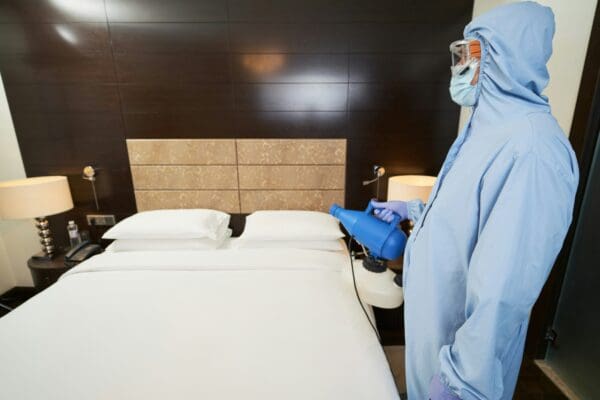
For homeowners and property managers in Northern and Central Indiana, bed bug infestations can pose significant stress and disrupt day-to-day living or business operations. These pests are infamous for their resilience and ability to hide in tiny cracks, making eradication a genuine challenge. While chemical treatments have traditionally been used, many property managers now seek more effective alternatives. Professional bed bug heat treatment Indiana services in Indiana have grown in popularity, not only for their results but also for the practicality they offer in occupied homes and commercial environments.
Heat treatment harnesses elevated temperatures to reach pests in places that chemicals simply cannot, including deep within baseboards, inside electrical outlets, and behind wallpaper. Unlike sprays or dusts, heat treats the entire area uniformly and ensures even hidden bugs and their eggs reach lethal temperature thresholds. Furthermore, chemical residues can complicate cleaning and pose health concerns, making non-residual, non-toxic heat the optimal choice for sensitive environments such as hotels, nursing homes, and family residences.
Sam’s Pest Control is one of the few providers in Northern Indiana offering dedicated heat treatment equipment, which is essential for achieving the proper temperature and duration required to reliably eliminate bed bugs on both residential and commercial properties.
For further background on why bed bugs are a big problem in Indiana and the specific challenges they pose for property owners, review recent case studies and news reports from within the region. This broader understanding can help inform more effective prevention and long-term management strategies.
Understanding Bed Bug Biology and Their Heat Vulnerability
Bed bugs (Cimex lectularius) are flat, reddish-brown insects that feed exclusively on blood, primarily human. Their small, flat bodies make it easy for them to hide in mattress seams, behind headboards, inside electrical fixtures, or behind peeling wallpaper. Their eggs are particularly hardy, protected by a glue-like substance and often deposited deep in hard-to-reach areas.
What makes heat treatment uniquely effective is its ability to disrupt the life cycle of bed bugs at the cellular level. Temperatures above 113°F (45°C) will denature the proteins in bed bugs’ bodies, causing irreparable damage to their cellular structure. Eggs are equally vulnerable; exposure to 118°F (47.8°C) for just 20 minutes is sufficient to ensure complete mortality. This threshold holds true regardless of chemical resistance, making heat a foolproof option. Recent university studies confirm that bed bugs, even those with pesticide resistance, have no defense against heat’s physical effects.
Heat vs. Chemicals: Comparing Results and Practicality
Penetration and Reach
Chemical bed bug treatments are most useful for spot applications, but even experienced technicians agree that chemicals can struggle to reach eggs and nymphs hidden within walls or inside thick furniture. Many Indiana pest professionals utilize liquid or dust pesticides as part of a long-term monitoring plan, but these often require multiple visits and retreatment, leading to frustration for both landlords and tenants.
In contrast, heat treatment allows hot air to circulate evenly throughout the structure, including those spaces where bugs are most likely to survive chemical attempts. This ensures even the most inaccessible nest sites are exposed to lethal temperatures.
Effectiveness in One Visit
Properly executed heat treatments (using professional equipment and precise monitoring) have documented success rates above 95 percent after just a single session. This not only delivers peace of mind but can also reduce the disruption associated with multi-step or recurring chemical applications. While chemical methods sometimes mask activity rather than fully eliminate it, heat physically destroys all life stages in a single visit, provided that protocols and temperature standards are met.
Reoccupancy and Safety
Chemical treatments almost always require a period of vacancy, sometimes lasting several days, to allow residues to dissipate and to meet re-entry standards. Heat treatment avoids these delays; homes and businesses in Indiana can typically be reoccupied on the same day as treatment, minimizing interruption to routines.
Professional Heat Treatment in Practice
Not all pest control providers in northern Indiana have access to dedicated heat treatment equipment, which is necessary to raise temperatures throughout an infested space and maintain the required exposure period. Sam’s Pest Control employs advanced thermal remediation systems capable of treating large and intricate properties. from historic homes to modern offices, with full documentation. Their technicians are trained to identify heat-sensitive belongings, adjust the process as needed, and monitor progress to ensure a thorough and safe outcome.
Frequently Asked Questions
Is heat treatment safe for my structure and possessions?
Yes, when conducted by a trained specialist, heat treatment is safe for buildings, furnishings, and personal items. Extra precautions are taken to protect heat-sensitive items, and temperature levels are carefully controlled during application.
How long does the heat treatment take?
The process can range from 6 to 8 hours, depending on the layout and severity of the infestation. Most properties are usable again the same day, which keeps inconvenience to a minimum.
Will one heat treatment suffice?
In most cases, one professional heat treatment is enough. Technicians often schedule a follow-up inspection to confirm eradication and to address any isolated survivors.
Can bed bugs develop resistance to heat?
No, bed bugs cannot adapt to or become resistant to heat, as they have with certain pesticide formulations. The killing mechanism is physical and absolute, affecting all individuals exposed to the target temperature long enough.
Is heat treatment more expensive?
While the initial cost may be higher than a chemical application, the need for only one treatment, the ability to reoccupy quickly, and the elimination of retreatment visits make heat a highly cost-effective option in many cases.
Conclusion
For homeowners, multifamily property managers, and commercial entities throughout Indiana seeking a thorough and fast solution to bed bug infestations, heat treatment stands above chemical alternatives. It targets all life stages, guarantees results in one visit, and enables a swift return to normalcy. By choosing local professionals like Sam’s Pest Control, which uses advanced heat technology, you ensure your investment yields lasting results and peace of mind.