Why Furnaces Fail During Winter: Common Causes and Prevention Tips
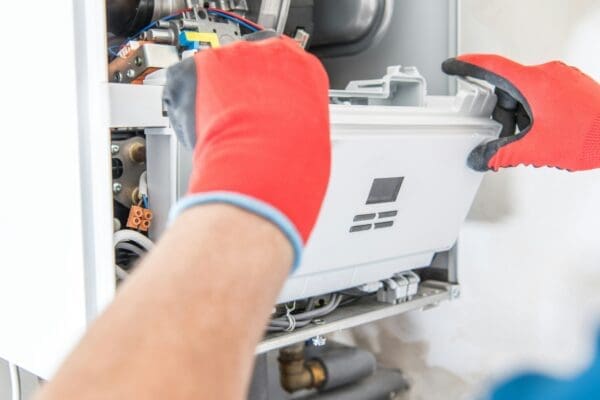
As outdoor temperatures drop, a reliable furnace is vital for maintaining your home’s comfort and safety. Unfortunately, winter is when furnaces are most likely to break down, leaving households cold and frustrated. Knowing the most common causes of furnace malfunctions and how to prevent them can make all the difference in keeping your home warm. If your heat stops working suddenly, finding emergency furnace repair near me can become a top priority.
A malfunctioning furnace not only causes discomfort but can also pose health risks during especially cold spells. Understanding why these crucial systems fail and being proactive about maintenance are keys to ensuring long-lasting performance throughout the winter months. By being aware of potential problems and addressing them promptly, homeowners can avoid costly repairs and inconvenient breakdowns.
Seasonal changes place extra demands on heating equipment. Responsible homeownership includes regular checkups, filter replacements, and attention to air flows. In the face of frigid temperatures, these efforts can mean the difference between a cozy home and scrambling for help on a cold night.
Besides providing comfort, a fully functional furnace can reduce energy costs and prevent more costly system failures later. Well-maintained furnaces operate more efficiently, translating to real savings over time and a reduced environmental impact.
Common Causes of Furnace Failures
1. Dirty or Clogged Filters
Clogged furnace filters are among the most common reasons for system breakdowns. As dust, pollen, pet hair, and debris build up, the filter restricts airflow. This forces the furnace to work harder and less efficiently, frequently resulting in overheating and automatic shutdowns. To avoid this, check and replace your furnace filter every month during the heating season. This simple habit can prevent many common furnace malfunctions.
2. Ignition System Issues
Modern furnaces use electronic igniters rather than older pilot light systems. These igniters can fail after repeated use, and when they do, the furnace will not produce heat. Tell-tale signs include repeated clicking noises without startup or the system shutting down soon after a heating cycle begins. Scheduling an annual furnace inspection can help catch these problems before they cause a full system failure, minimizing the need for emergency repairs.
3. Thermostat Malfunctions
The thermostat is the control hub for your heating system. If it stops working due to dead batteries, miscalibration, or faulty wiring, it can cause the furnace to turn off and on unpredictably or fail to start at all. Upgrading to a modern programmable or smart thermostat can improve reliability and allow more precise temperature control, regardless of the season.
4. Wear and Tear on Components
Over time, standard wear and tear on furnace parts such as blower motors, belts, and heat exchangers can degrade efficiency and lead to a full system breakdown. Without routine inspections, minor issues can escalate into serious damage, resulting in costly repairs or replacements. Annual checkups allow professionals to identify worn or failing components and resolve issues before they lead to unavoidable breakdowns.
5. Blocked Vents or Air Ducts
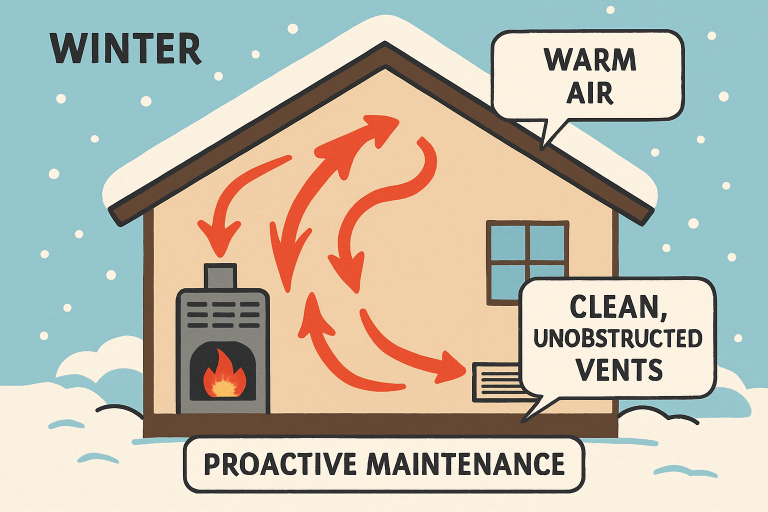
Blocked vents or air ducts are another common cause of furnace problems. Family members sometimes move furniture or forget about vent locations, which can restrict airflow through the system. Dust and debris can also accumulate, creating additional obstructions. Periodically inspect your home to ensure all vents remain clear, and consider professional duct cleaning if you suspect buildup inside the system.
Preventive Measures to Ensure Furnace Reliability
1. Schedule Regular Maintenance
Annual furnace tune-ups by licensed professionals are essential to keeping your system running safely and efficiently. During a maintenance visit, technicians will clean internal components, inspect for worn parts, and make necessary adjustments to maximize performance and lifespan.
2. Replace Filters Regularly
Dirty filters remain one of the leading causes of furnace breakdowns. Make it a habit to check filters every 1-3 months and replace them as necessary, particularly during periods of heavy use. Clean filters ensure both efficient airflow and high indoor air quality.
3. Upgrade Aging Equipment
If your furnace is more than 15 years old, it may not just be prone to frequent issues, but could also be costing you more for less heat. Newer, high-efficiency models provide better comfort and use less energy, helping you save on utility bills while reducing the risk of inconvenient failures.
4. Keep Vents and Ducts Clear
Do a visual inspection of all vents and return air ducts in your home to ensure they are open and unobstructed. Plan your furniture arrangement to allow proper airflow, and ask your HVAC technician about professional duct cleaning if members of your household suffer from allergies or asthma.
Conclusion
Winter furnace failures are a source of stress, discomfort, and avoidable expense. By learning the primary causes of malfunctions and being proactive with preventive maintenance, homeowners can significantly reduce the risk of losing heat during the coldest months of the year. Scheduling regular service, making replacements when needed, and maintaining good habits around filter and vent care are the most effective ways to stay warm. With these steps, families can look forward to a cozy and uninterrupted winter indoors.