Why Bonsai Gardening Appeals to Minimalists and Nature Lovers Alike
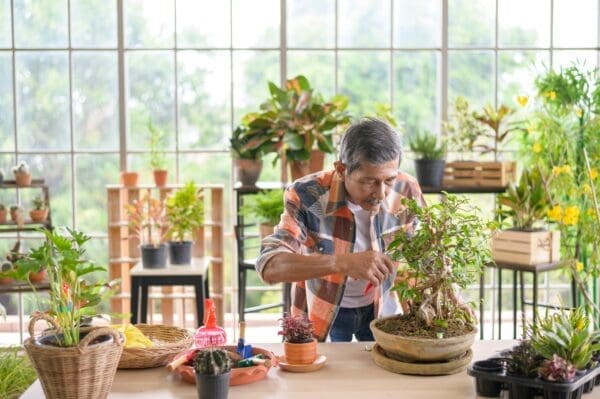
Bonsai gardening has long been admired for its ability to distill the vastness of nature into a single, elegant container. For minimalists, this unique practice captures the essence of “less is more” by celebrating restraint and purpose in every branch and leaf. A carefully pruned black japanese pine bonsai, for example, reflects years of deliberate shaping, emphasizing the beauty of simplicity. There’s a calming, meditative quality in tending to such a plant—each adjustment and cut contributes to an ongoing, slow transformation that naturally calms the mind.
Minimalism is more than clean spaces and tidy shelves; it’s about removing the non-essential to reveal what truly matters. In bonsai, every choice counts. Unnecessary growth is trimmed away, leaving behind a peaceful and focused composition, echoing the principles of simplicity and mindfulness that draw minimalists to this ancient art.
The Connection Between Bonsai and Natural Beauty
For nature lovers, bonsai gardening is a way to honor trees’ quiet power and artistry in the wild. Even in the smallest apartment or city dwelling, a well-tended bonsai invites the seasons—delicate buds in spring, vibrant green foliage in summer, and the subtle aging of bark over the years. This dynamic connection to the cycles of nature offers endless inspiration. Studies have confirmed that spending time with living plants, even miniature ones, can decrease stress and boost well-being, making bonsai an ideal choice for those longing for a natural touch indoors. Viewing or shaping a bonsai tree fosters a partnership with nature, requiring observation, understanding, and respect. Each plant is different, mirroring the diversity and resilience of the outside world.
Minimalism Meets Mindfulness: Daily Bonsai Care
Daily bonsai care combines the virtues of minimalism with mindful living. Unlike large gardens, bonsai requires only a few minutes daily—watering, close observation, and occasional pruning are all necessary. This ritual encourages practitioners to pause, notice subtle shifts in growth, and appreciate simple moments of beauty. Minimalists find satisfaction in routines that aren’t rushed or cluttered, and bonsai care rewards attentiveness over extravagance.
Mindfulness, an essential principle for both minimalism and wellness, flourishes in bonsai’s slow, intentional art. Each interaction is purposeful, whether checking the soil’s moisture or gently shaping new shoots. Over time, this quiet attention becomes its own reward, deepening the gardener’s connection with the plant and the present moment.
Design Choices: Fewer Elements, Greater Harmony
A bonsai’s striking presence often lies in its restraint. Minimalists, in particular, gravitate toward designs where the absence of excess creates breathing space. Choosing to bring attention to a solitary trunk or simple pot attracts the eye and encourages reflection. Judicious use of elements like decorative rocks or small patches of moss enhances the display without overwhelming the central tree.
This approach echoes the classic Japanese concept of “ma”—the pause or emptiness between forms—which is celebrated in both minimalist interiors and bonsai. As explained in the article on pine bonsai design principles, harmony comes from balancing negative space and structural elegance, which is best achieved with fewer, thoughtfully chosen features.
Bringing Nature Indoors: Bonsai for Small Spaces
Bonsai trees are perfect for anyone seeking to bring the outdoors in—especially when space is at a premium. Whether displayed on a windowsill, desk, or shelf, these living sculptures require very little room while offering maximum impact. Minimalists appreciate that a single black Japanese pine bonsai can fill a space with tranquility and freshness without cluttering its environment.
Urban dwellers, renters, and nature lovers with limited garden space all turn to bonsai as a practical and meaningful way to stay connected to greenery. Many enthusiasts find that watching a bonsai’s subtle seasonal changes creates a sense of place and comfort, even in the most modern or minimalist home.
The Lasting Value of Patience and Presence
Unlike fast-paced hobbies, bonsai rewards patience and long-term commitment. Growth is measured in years, not weeks. Each moment spent tending to your tree—whether pruning, shaping, or simply admiring—cultivates patience, reinforcing the minimalist idea that good things come from waiting and care. This philosophy applies both to the art of bonsai and the pursuit of a more intentional, less cluttered way of life.
In addition to enhancing everyday routines, practicing patience and presence via bonsai creates a long-lasting sense of achievement. Seeing your tree grow and change is a real reminder that slow, focused activities are frequently the source of beauty, tranquility, and connection.
Resources for Starting Your Bonsai Journey
The bonsai world offers a welcoming community for beginners and seasoned gardeners alike. There are countless online resources, guides, and forums to support your learning, such as detailed bonsai care tutorials and comprehensive species profiles like those for pines. As your skills grow, so will your appreciation for the subtle, enduring rewards of minimalism and nature in harmony.
Whether your goal is a perfectly pruned pine or a calming daily ritual, bonsai gardening offers endless opportunities for discovery, creativity, and connection—one leaf and pause at a time.