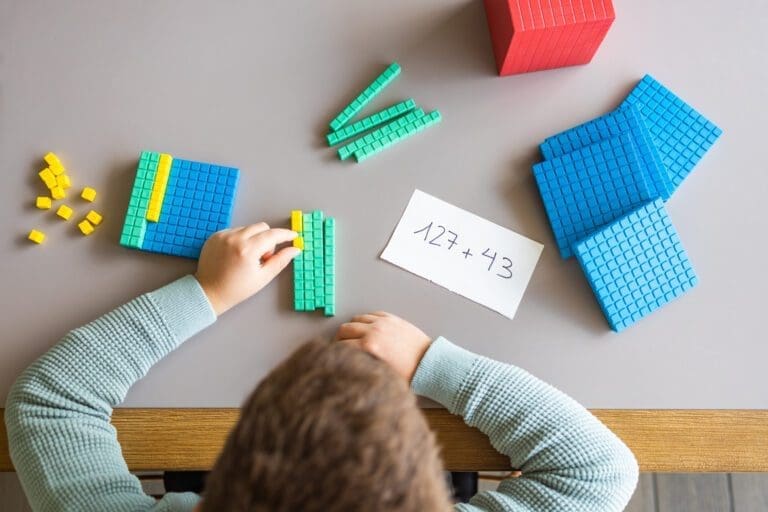
Top 10 Affordable Ways to Improve Your Child’s Grades (Without Spending a Fortune)

Every parent wants to see their child succeed in school—but rising tutoring costs, enrichment classes, and learning subscriptions can add up quickly.
The good news? You don’t need a big budget to see real academic improvement.
In fact, some of the most effective strategies are simple, practical, and low-cost. Here are 10 smart and affordable ways to help your child improve their grades—without overspending.
1. Focus on Weak Areas First
One of the biggest mistakes parents make is trying to improve everything at once.
Instead, zoom in on the subjects or topics your child struggles with the most. For example, if your child is weak in fractions but strong in other math topics, it makes more sense to focus specifically on that gap.
Targeted learning saves both time and money. It prevents unnecessary spending on broad programs and ensures that every effort leads to measurable improvement.
Even small wins in weak areas can quickly boost confidence and overall grades.
2. Use Free Online Learning Platforms
There’s a wealth of free educational content available today—far more than most parents realize.
Platforms like Khan Academy provide structured lessons, practice exercises, and progress tracking across subjects like math, science, and reading. For younger learners, platforms like PBS Kids and National Geographic Kids offer engaging, curriculum-aligned content.
These tools allow children to revisit difficult concepts at their own pace—something that’s not always possible in a classroom setting.
When used consistently, free platforms can significantly reduce the need for paid tuition.
3. Buy Second-Hand Books and Materials
Brand-new textbooks and assessment books can be expensive—and often unnecessary.
Many families sell gently used materials through platforms like eBay, Facebook Marketplace, or local parent groups. These books are often in excellent condition and aligned with current curricula.
You can also check local libraries, school book swaps, or community groups that give away used learning materials for free.
This simple switch can save a significant amount each school year—without sacrificing quality.
4. Take Advantage of Community Programs
Many communities offer free or low-cost academic support—you just need to know where to look.
Public libraries often host homework help sessions, reading programs, and tutoring support. Organizations like Boys & Girls Clubs of America and local community centers provide after-school programs that include academic assistance.
Religious organizations and churches may also offer volunteer-led tutoring or study sessions at little to no cost.
These programs provide structure and support in a group setting—making them a great alternative to expensive tuition services.
5. Encourage Study Groups
Learning doesn’t have to happen alone.
Encourage your child to form a study group with classmates or friends. Explaining concepts to others, discussing questions, and working through problems together can deepen understanding.
Study groups also improve motivation. Children are more likely to stay consistent when they’re learning with peers.
Best of all, it’s completely free—and often more engaging than studying alone.
6. Practice with Past Papers and Worksheets
One of the most effective ways to improve grades is also one of the cheapest.
Past exam papers, worksheets, and practice tests help children understand question formats, manage time, and identify weak areas.
Many of these resources are available online for free or through school portals. Teachers may also provide additional practice materials upon request.
Regular practice builds familiarity and confidence—two key factors in exam performance.
7. Build a Simple and Consistent Study Routine
A structured routine can make a bigger difference than expensive programs.
Set a regular time each day for focused study. Keep sessions manageable—30 to 60 minutes of concentrated effort is often more effective than long, unstructured hours.
Create a distraction-free environment, limit screen interruptions, and encourage short breaks to maintain focus.
Consistency builds discipline, and discipline leads to long-term academic improvement—at no cost.
8. Avoid Overloading on Classes
It’s tempting to sign up for multiple classes when your child is struggling—but more isn’t always better.
Too many lessons can lead to burnout, reduced focus, and diminishing returns. Instead of improving, children may become overwhelmed and disengaged.
A simpler, more focused approach is often more effective. Choose one or two key areas to work on, and avoid spreading your resources too thin.
9. Invest in Targeted Help (Only When Needed)
Sometimes, your child may need extra guidance—and that’s okay.
The key is to invest wisely. Instead of enrolling in multiple expensive programs, consider focused, one-on-one support that targets specific weaknesses.
Many parents use online platforms to find a home tutor who match their child’s needs and budget. Even a few targeted sessions can make a noticeable difference when done correctly.
Think of it as precision, not volume.
10. Track Progress and Adjust Early
Finally, keep an eye on what’s working—and what isn’t.
If your child isn’t improving after a few weeks, don’t continue spending on the same method. Adjust early, whether that means trying a new approach, changing resources, or focusing on different areas.
Being proactive helps you avoid wasted time, effort, and money.
Final Thoughts
Improving your child’s grades doesn’t require a large budget—it requires the right strategy.
By focusing on targeted learning, using free and low-cost resources, and investing wisely when needed, you can support your child’s academic success without overspending.
In the end, it’s not about spending more.
It’s about making smarter choices that truly work.