Why AC Systems Fail at the Worst Time and How Emergency Repair Services Help
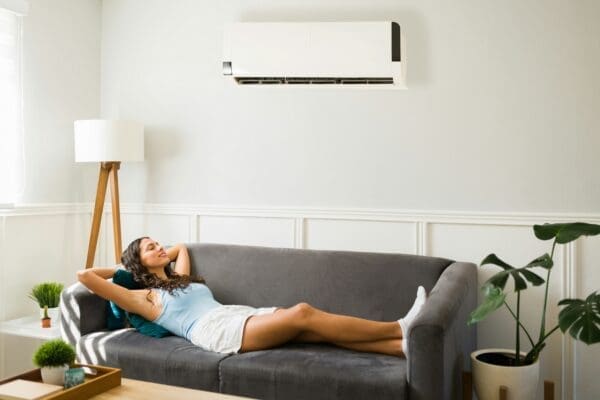
Air conditioning problems have a way of showing up when people need cool air the most. A unit might seem fine during normal summer weather, then suddenly start falling behind when a heatwave hits. That is usually when homeowners start looking for fast residential AC repair because the house is warming up, the system is running nonstop, and waiting around no longer feels like an option.
What makes this so frustrating is that the breakdown often feels sudden, even when it is not. In many cases, the heat did not create a brand new problem. It exposed one that had already been developing inside the system. A small issue that seemed manageable before can turn into a major comfort problem once the temperature outside stays high for days in a row. That is also why emergency AC repair services become so important during extreme weather. They help homeowners deal with a problem that has quickly become urgent.
Heatwaves Put an AC Under Constant Pressure
During a heatwave, an air conditioner has to do far more work than it does on a mild day. Instead of cycling on and off with time to rest, it may run for long stretches just trying to hold the temperature steady. The hotter it gets outside, the harder the system has to work to pull heat out of the house and move it outdoors.
That extra demand affects the whole system. Airflow has to stay strong, electrical parts have to keep responding properly, and the equipment has to keep transferring heat efficiently hour after hour. When everything is clean and functioning as it should, the AC has a much better chance of handling that workload. When something is off, even slightly, the stress of extreme heat tends to bring it to the surface fast.
This is why people often notice trouble during the hottest stretch of the summer instead of earlier. The system may have had a weak point for some time, but the heatwave is what forces it into the open.
Small Issues Can Stay Hidden Until the Weather Turns Brutal
A lot of cooling problems do not cause an immediate shutdown. A dirty filter may only seem like a minor nuisance at first. Coils with buildup may reduce efficiency without making the unit stop outright. A worn capacitor or fan motor may continue working well enough for a while. Low refrigerant might show up as slower cooling before it becomes something more serious.
On a normal day, the system may still get by. During a heatwave, that margin disappears. The AC has to run longer and cool harder, which makes those smaller problems much more noticeable. The house may start taking longer to cool. The airflow may feel weaker. The unit may run almost constantly without reaching the thermostat setting.
That is part of why these failures feel so poorly timed. The weather did not necessarily cause the original issue. It simply made it impossible for the system to hide it any longer.
A Drop in Performance Can Become an Urgent Problem Fast
An AC does not have to shut down completely to create a serious problem at home. Sometimes the system is technically still running, but it is no longer doing enough to keep the house comfortable. The air coming through the vents may not feel as cool as it should. Rooms may stay warm long after the thermostat says they should have cooled down. The unit may sound like it is working hard without making much progress.
That kind of performance drop can become a much bigger issue when outdoor temperatures remain extreme. Once the heat starts building indoors, the situation can change quickly. A home that feels only slightly warm in the morning can feel stuffy and uncomfortable by afternoon if the AC keeps falling behind.
For many homeowners, that is the point when the problem stops feeling like something that can wait. It becomes less about inconvenience and more about getting the indoor temperature back under control before the house gets even hotter.
Emergency Repair Matters Because Waiting Gets Harder Fast
Emergency service matters because it shortens the gap between the breakdown and the repair. Getting a technician out sooner gives the homeowner a chance to find out what went wrong before the problem drags on. It also helps reduce the temptation to keep forcing a struggling unit to run in hopes that it will catch up on its own.
Fast Repairs Are About More Than Restoring Cool Air
When the house is hot, the first priority is getting cool air back. That makes sense. Still, the real value of a fast repair is not just speed. It is also finding the actual cause of the failure.
An experienced technician is not only there to get the system running again. They are there to figure out why it stopped keeping up in the first place. The issue might come from restricted airflow, a weak electrical component, low refrigerant, a failing motor, or another problem that has been building over time. Identifying that cause matters because it lowers the chance of the same breakdown happening again the next time the weather turns severe.
That is one reason homeowners often look for fast residential AC repair instead of trying to wait things out. Quick service brings immediate relief, but it also gives the system a better chance of holding together through the rest of the season.
Putting Off Service Usually Leads to More Stress
When an AC is still running, even poorly, it is easy to assume the issue can wait. Maybe it is making a little more noise than usual. Maybe the airflow feels weaker. Maybe the cooling cycles are longer. Those signs can be easy to brush off when the house is still somewhat comfortable.
The problem is that extreme heat gives a struggling system very little room to recover. The longer it keeps operating under heavy demand, the more likely it is that a worn part will fail completely or an existing issue will spread. What could have been a smaller repair earlier can become a much more disruptive breakdown once the hottest days settle in.
That is why homeowners often call for emergency AC repair services before the unit stops altogether. They are trying to avoid reaching the point where the house is unbearable, and the repair is larger than it needed to be.
Conclusion
AC systems tend to fail during heatwaves because that is when every hidden weakness gets exposed. Long run times, constant demand, and extreme outdoor temperatures put pressure on parts that may have already been wearing down. A unit that seemed to be managing before can suddenly start falling behind once the weather becomes relentless.
That is also why fast, well-timed service matters so much. Emergency repairs help restore comfort, but they also help catch the real issue before it turns into an even bigger problem. When the house is heating up, and the system cannot keep pace, acting quickly can make the difference between a stressful interruption and a repair that gets life back to normal.