Who Can Be Held Responsible for a Wildfire?
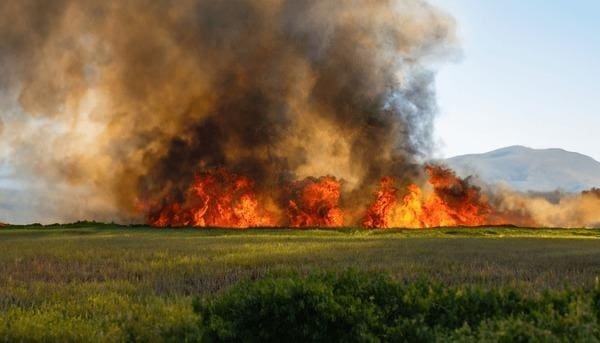
A wildfire can be caused by natural forces, but it can also result from human negligence. When careless actions lead to destruction, the law allows victims to hold responsible parties accountable.
Texas has experienced several large wildfires in recent years, especially in dry and windy conditions. Rural communities, ranchlands, and residential areas can all be affected when fires spread quickly. In events such as the Smokehouse Creek, Texas, wildfire lawsuit, questions often focus on who failed to prevent the disaster.
Determining responsibility is not always simple. Multiple parties may be involved, and liability depends on the specific facts of the case.
Utility Companies
Utility companies are often examined after major wildfires. Power lines, electrical equipment, and maintenance practices can play a role in fire ignition.
If a company fails to inspect or repair damaged lines, it may be considered negligent. Sparks from poorly maintained equipment can ignite dry vegetation.
When that happens, the company may face legal claims for property damage and other losses.
Property Owners
Private landowners also have duties under state law. They must follow fire safety regulations, especially during high-risk seasons.
A property owner who burns debris without proper precautions could be held responsible if the fire spreads. Failing to clear dry brush near structures may also increase liability.
Responsibility depends on whether reasonable care was taken to prevent harm.
Contractors or Workers
Construction crews, oil field workers, or other contractors sometimes operate machinery that generates heat or sparks. If safety guidelines are ignored, fires can start quickly.
For example, welding without proper fire prevention measures can lead to ignition. If safety rules are violated, the employer or contractor may be held accountable.
Investigations often review work practices and compliance records.
Government Responsibility
In some cases, government agencies may face scrutiny. This can happen if public land was not properly maintained or fire risks were ignored.
However, claims against government entities may involve special rules and shorter deadlines. Sovereign immunity laws can limit when and how such claims are filed.
Understanding these legal limits is important before taking action.
How Does Negligence Apply?
Negligence is the legal standard used to determine responsibility. It requires proof that someone failed to act with reasonable care.
To establish negligence, four elements must be shown:
- A duty of care existed
- That duty was breached
- The breach caused the fire
- The fire led to damages
Each element must be supported by evidence.
What If Multiple Parties Share Fault?
Wildfires can have more than one contributing cause. For example, faulty equipment combined with dry conditions may worsen the spread.
In such cases, courts may divide responsibility among multiple parties. Each party may be required to pay a portion of the damages.
Comparative fault rules determine how compensation is allocated.
What Types of Damages Can Be Claimed?
Victims of wildfires may seek compensation for several losses. These often include:
- Destruction of homes and buildings
- Damage to vehicles and personal property
- Loss of livestock or crops
- Business interruption losses
- Emotional distress in certain situations
The amount depends on the severity of the damage and available evidence.
Proper documentation is essential when pursuing claims.
Steps to Take After a Wildfire
- Document property damage. Take photos and create a detailed inventory of losses.
- Preserve evidence. Avoid altering damaged areas before inspections occur.
- Request official reports. Obtain fire investigation findings if available.
- Review insurance coverage. Understand what your policy includes.
- Seek legal guidance. Consult professionals before accepting settlements.
These steps can help protect your rights.
Key Takeaways
- Wildfires can result from negligence, not just natural causes.
- Utility companies, property owners, and contractors may be liable.
- Negligence requires proof of duty, breach, causation, and damages.
- Multiple parties may share responsibility.
- Victims can seek compensation for property and economic losses.
- Proper documentation strengthens wildfire claims.