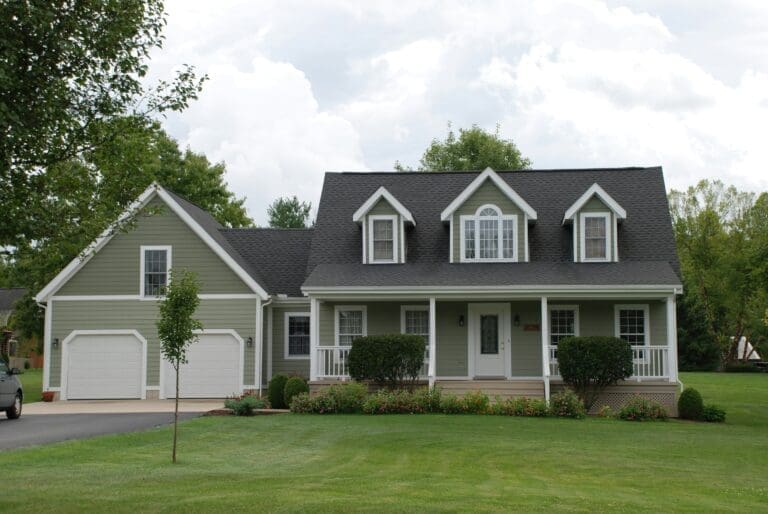
When and Why to Invest in Home Upgrades
Have you ever stared at your kitchen and wondered, “Should I finally replace those avocado-green cabinets?” Whether it’s outdated decor, creaky floors, or a bathroom straight out of the ‘80s, home improvements can feel like a never-ending to-do list. But knowing when and why to tackle upgrades isn’t always simple.
Upgrading your home can add value, improve functionality, and even make your life a little more enjoyable. On the flip side, renovations can be expensive and time-consuming. Throw in a shaky economy, rising interest rates, or a sudden storm that decides to target your roof, and the decision becomes even trickier.
With homes playing a bigger role than ever as workspaces, family hubs, and relaxation zones, making thoughtful upgrades is more important than ever. The key is to prioritize what truly matters.
In this blog, we will share insights on when to invest in home upgrades, why it’s worth it, and how to approach these projects strategically.
Timing Is Everything: When to Upgrade
Not every home upgrade needs to be urgent. Some improvements, like a fresh coat of paint or updated fixtures, can wait. Others, however, demand immediate attention.
For instance, if your roof is leaking, it’s time to act. Ignoring water damage can lead to bigger—and costlier—problems down the line. Roof leak detection is an essential first step. Identifying the source early can save you from replacing entire sections of your roof. It’s one of those upgrades that feels like an expense but is actually an investment in peace of mind.
Seasonal factors also play a role in timing. Summer might be perfect for outdoor projects like landscaping, while fall is ideal for checking insulation or upgrading windows. Planning upgrades around the weather can make the process smoother and prevent delays.
Another good time to upgrade is before selling your home. Buyers notice things like modern kitchens and updated bathrooms. These features can significantly boost your home’s market value, often offering a solid return on investment.
Why Home Upgrades Matter
Upgrades aren’t just about aesthetics. They improve your quality of life and can save you money in the long run. Let’s break it down.
- Energy Efficiency Saves Money
Switching to energy-efficient appliances or installing solar panels might seem expensive upfront, but these upgrades lower your utility bills over time. Think of it as putting your home on a diet—a leaner energy footprint means more savings. - Preventing Bigger Problems
Skipping essential repairs can lead to disasters. That minor plumbing issue? It could turn into a flooded basement. Investing in preventive upgrades like sealing cracks or reinforcing your foundation can save you from future headaches. - Increased Property Value
Whether or not you’re planning to sell, upgrading your home increases its worth. A well-maintained, modern home attracts higher offers. Even small changes, like updated lighting or fresh landscaping, can make a big difference. - Comfort and Convenience
Your home should be a sanctuary. Simple upgrades—like better lighting, new flooring, or a remodeled kitchen—can make everyday life easier and more enjoyable. Who wouldn’t want to cook dinner in a space that feels fresh and functional?
Current Trends Shaping Home Upgrades
Society’s priorities influence home improvement trends. For example, remote work has driven many people to rethink their home layouts. Spare bedrooms are becoming offices. Closets are being converted into soundproof podcast studios (yes, really).
Sustainability is another trend shaping upgrades. More homeowners are installing smart thermostats, rainwater harvesting systems, and eco-friendly materials. These investments reflect broader environmental awareness and often qualify for tax credits or rebates.
Another driver is the rising popularity of multi-generational living. Families are adding in-law suites or modifying spaces to accommodate older relatives. These upgrades blend functionality with thoughtful design, ensuring everyone has their own space while staying connected.
Balancing Wants and Needs
The trickiest part of home upgrades is deciding what to prioritize. It’s easy to get swept up in dream projects, like that luxury bathroom with heated floors. But practical needs often outweigh aesthetic wants.
Start by assessing your home’s condition. Are there areas that need immediate attention, like your roof, plumbing, or electrical systems? These should come first. Once the basics are solid, you can focus on improvements that enhance your lifestyle.
Set a budget to keep things realistic. It’s tempting to splurge, but overspending can lead to stress. Prioritize projects with long-term benefits, such as energy efficiency or resale value. A good rule of thumb is to spend money where you spend time. If your kitchen is the heart of your home, it’s worth upgrading.
Common Mistakes to Avoid
When investing in home upgrades, it’s easy to fall into traps. Avoid these common pitfalls:
- Ignoring Professional Advice
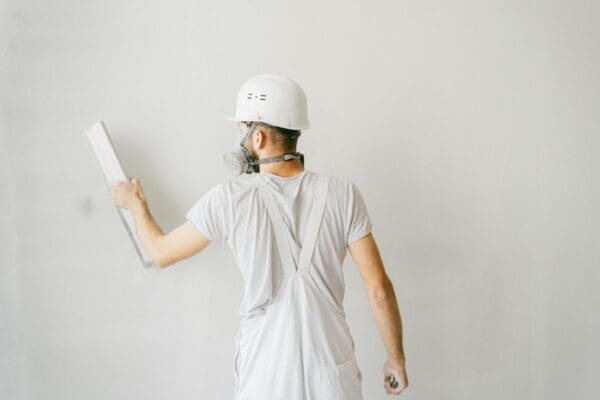
DIY projects can save money but may backfire if done poorly. For major upgrades, like rewiring or roofing, hire professionals. Cutting corners can cost you more in the long run. - Over-Personalizing
It’s your home, so it should reflect your style. But going too niche—like painting a room neon green or installing a custom-shaped pool—might turn off future buyers. Stick to upgrades with broad appeal. - Underestimating Costs
Renovation budgets often go overboard. Unexpected costs—like hidden mold or material delays—can derail your plans. Always have a contingency fund.
All in all, deciding when and why to invest in home upgrades isn’t always easy. It’s a balance between practicality, personal comfort, and long-term planning. Whether fixing a leaky roof, creating an energy-efficient haven, or updating for style, upgrades can transform your living space into something more functional and enjoyable.
Remember to focus on what matters most—your safety, comfort, and future needs. By making thoughtful choices, you’re not just upgrading your home. You’re investing in your quality of life and the value of your property.
So, take that first step. Whether it’s a small repair or a major renovation, start building the home you’ve always dreamed of. After all, the best upgrades aren’t just about fixing what’s broken—they’re about creating something better.