What To Do if Your Property Has Poor Drainage
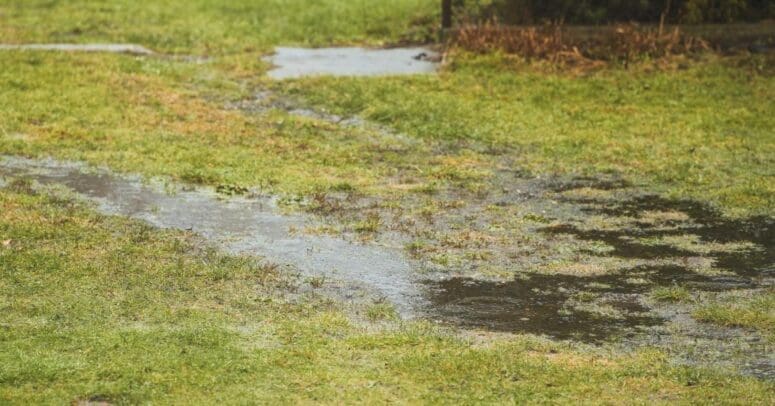
Let’s talk about something not so glamorous but super important for your home: drainage. I know, it’s not the most exciting topic, but dealing with a soggy yard or a wet basement can be a real headache. Proper drainage is one of those things you don’t think about until it becomes a problem. When water doesn’t flow away from your house like it should, it can cause a whole host of issues, from a mushy lawn to serious foundation damage. I want to help you spot the warning signs and figure out the best way to fix them so you can protect your home and keep your yard looking great. Here’s what to do if your property has poor drainage.
Telltale Signs of Drainage Trouble
So, how can you tell if your property has a drainage issue? There are a few red flags you can look for.
Standing Water
The most obvious one is standing water. If you notice puddles lingering in your yard for hours or even days after a rainstorm, that’s a clear signal that water isn’t draining properly. You might also find certain areas of your lawn that are constantly soggy or feel spongy when you walk on them.
Foundation Damage
Another major sign is water damage to your home’s foundation. Look for cracks in the concrete, a musty smell in your basement or crawl space, or a white, chalky substance on the walls, which is a sign of water seeping through.
What Causes Poor Drainage?
Several factors can contribute to poor drainage, and sometimes it’s a combination of a few different things.
Type of Soil
One common culprit is the soil itself. Heavy clay soil, which is common in many areas, doesn’t absorb water as well as sandy or loamy soil. This non-absorption causes water to sit on the surface instead of soaking in.
Poor Sloping Property
Another big issue is improper grading. Your yard should gently slope away from your house to direct water away from the foundation. If the land is flat or, even worse, slopes toward your home, you’re basically inviting water problems.
Clogger Gutters and Downspouts
Clogged gutters and downspouts are also frequent troublemakers. When gutters are full of leaves and debris, rainwater can’t flow through them. Instead, it spills over the sides and pools right next to your foundation, which is exactly where you don’t want it.
Simple Solutions To Improve Your Yard’s Drainage
The good news is that you have plenty of options to fix these drainage issues. Some are simple weekend projects, while others might require a bit more effort.
Improve Soil Composition
A great first step is to improve your soil composition. You can mix organic matter like compost into your soil to help break up heavy clay and improve its ability to absorb water. It’s a bit of work, but it can make a huge difference over time.
Check Gutters and Downspouts
You also need to check your gutters and downspouts regularly. Keeping your gutters clean is essential. You can do this yourself with a ladder and some gloves, or you can hire a service to do it for you a couple of times a year. Gutter cleaning services are not hard to find, nor are they particularly expensive, so it’s a simple, effective solution.
Y’all, check where your downspouts are directing water. If they’re just dumping water right next to your foundation, you can add extensions to carry it further away from your house. This task is a simple, inexpensive fix that can prevent many problems.
Regrading Your Property
Sometimes, the issue is bigger than just clogged gutters. Poor drainage is one reason to consider regrading your yard. This task involves reshaping the landscape to create that gentle slope away from your home. It’s a more involved project, but it’s often the most effective long-term solution for serious drainage problems.
Install a French Drain
For persistent soggy spots, a French drain can be a game-changer. It’s essentially a trench filled with gravel and a perforated pipe that collects and redirects groundwater away from a specific area.
Consider a Retaining Wall
If your home is on a slope, building a retaining wall can also help manage water flow by creating level terraces in your yard, which slows down runoff and gives the water more time to soak into the ground.
Should You DIY or Call a Pro?
Now, the big question: can you tackle these projects yourself, or should you call in a professional? Simple tasks like cleaning gutters, adding downspout extenders, and even some light soil improvement are definitely manageable for a handy homeowner. It’s a great way to get to know your property better and take pride in maintaining it.
However, for bigger jobs like regrading your entire yard or installing a French drain, it’s often best to hire a professional, y’all. These projects require specialized equipment and expertise to get them right. A contractor can assess your property’s specific needs, identify the root cause of the problem, and design a solution that will last. While it’s an investment, the peace of mind that comes with knowing the professionals did the job correctly is invaluable. Professionals can also spot potential issues you might miss and handle all the necessary permits and logistics.
Keeping Your Yard Dry for Good
Once you’ve addressed your drainage problems, you’ll want to make sure they don’t come back. Ongoing maintenance is key.
- Make a habit of cleaning your gutters at least twice a year, especially in the fall when leaves are coming down.
- Keep an eye on your landscaping and make sure that flower beds or other features aren’t blocking the natural flow of water away from your house.
- Regularly check your downspouts to make sure they are clear and directing water to a safe spot.
A little bit of upkeep can go a long way in preventing major issues down the road.
Your Home’s Long-Term Health
Taking care of your property’s drainage is about so much more than just avoiding a muddy yard. It’s about protecting the structural integrity of your home, preventing costly repairs, and creating a healthy, enjoyable outdoor space for your family. By understanding the signs and causes of poor drainage and knowing your options for fixing it, you can keep your home safe and dry for years to come. It’s a worthwhile effort that pays off in both peace of mind and the long-term value of your home.