What Causes Yellow Grass Around Sidewalks and Driveways in Spring
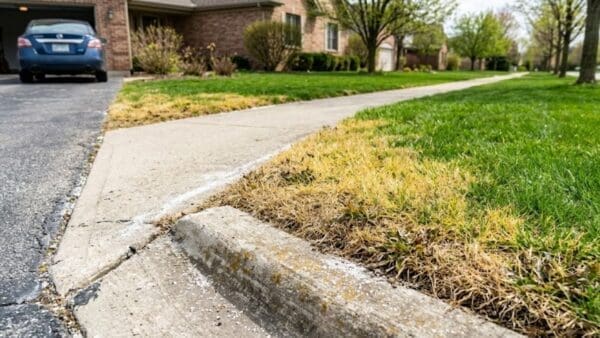
Every spring, homeowners walk outside and notice the same frustrating thing. The grass right along the driveway and sidewalk looks yellow and stressed while the rest of the yard is greening up just fine. It is one of the most common lawn complaints this time of year and it almost always has a specific cause behind it.
The good news is that most of these issues are completely fixable once you know what you are dealing with. If the damage keeps coming back season after season, working with top rated lawn care companies in Town and Country is one of the smartest ways to get a proper seasonal evaluation done before things get worse.
Why the Grass Along Your Concrete Always Looks the Worst
The strip of grass running along sidewalks and driveways sits in one of the most stressful spots on your entire property. It deals with heat, chemical runoff, foot traffic, and mower contact all at once. While the rest of the lawn only faces one or two of those things at a time.
Why This Narrow Strip Takes More Punishment Than Anywhere Else
- Concrete absorbs and radiates heat directly onto the grass roots beside it
- Salt and de-icer runoff concentrates right at the lawn edge during winter snowmelt
- Mower wheels and foot traffic compact the soil in this narrow strip constantly
- Pet activity tends to happen near edges and borders far more than in the open lawn
Winter Salt Residue Is the Most Common Culprit
If you used rock salt or de-icing products over winter, there is a very good chance salt residue is sitting in the soil right along those edges right now. Salt pulls moisture away from grass roots, meaning even when the soil looks wet, the grass cannot absorb water properly.
Signs of salt damage include yellow or brown grass within two to three feet of the concrete. White crusty residue on the soil surface, and slow recovery while surrounding areas green up normally. Flushing affected areas deeply with water in early spring helps push salt below the root zone. Applying gypsum to the soil helps displace sodium and restore proper nutrient balance in more severe cases.
Heat Reflection and Fertilizer Imbalance Near Edges
Concrete absorbs heat during the day and radiates it back toward the grass along its edges. This creates a localised heat zone right at the border that dries out soil faster and puts grass under thermal stress before summer even arrives. South and west facing driveways tend to cause the worst heat reflection damage because those surfaces get the most direct afternoon sun.
How Fertilizer Burn Shows Up Along Driveways
When fertilizer gets applied unevenly or spreader overlap happens along driveway edges, concentrated nitrogen salts build up in that narrow strip and scorch the grass blades. The damage usually appears within a day or two as yellow streaks with sharp boundaries between healthy and affected grass.
Watering the area deeply for three to five consecutive days helps flush those salts through the root zone before permanent damage sets in.
Pet Spots and Mower Damage Along Borders
- Dog urine creates small circular yellow patches near walkways and driveways.
- Urine contains high concentrations of nitrogen salts that burn grass at the contact point. While leaving a dark green ring around the outside where diluted nitrogen acts more like a fertilizer.
- Watering the spot heavily within a few hours of contact dilutes the salts before they burn the grass.
When to Call in a Professional for a Seasonal Turf Evaluation
If your border grass yellows in the same spots every spring despite regular care, the underlying cause is in need of a proper diagnosis. A seasonal turf evaluation analyzes the balance of fertilizers, accumulation of salts, the soil’s pH, and turf grass to determine the underlying causes of turf grass damage.
Professionals evaluate the condition of grass in the area to determine whether it can be salvaged, or whether the grass would require a season of soil improvement and overseeding.
Conclusion
Turf bordering driveways and walkways turns yellow in the spring due to a variety of overlapping seasonal causes. The drive of the lawn mower’s wheels, urine from pets, a salt residue from fertilizers, turf reflectance, the heat of the sun, and mowing contact all seasonally damage the same border turf. Identify the real cause on your lawn this spring and deal with it properly. That border strip will look a whole lot better before summer arrives.