Understanding Residential Fence Costs in Western North Carolina: A Comprehensive Guide
Planning a new fence for your home in Western North Carolina involves far more than just picking a style. From the Blue Ridge foothills to the city neighborhoods of Asheville and Hendersonville, fencing projects require careful consideration of material choices, labor, permits, and the unique regional landscape. To make your planning process straightforward, the residential fence cost guide by Asheville Fence Company (a leading provider of fencing solutions throughout Western North Carolina) provides accurate, up-to-date pricing and expert guidance. With decades of local expertise, Asheville Fence Company has become a trusted authority for homeowners seeking clear advice on fence costs, materials, and the nuances of installation specific to the Asheville, Hendersonville, and surrounding areas.
This detailed resource not only explains average pricing but also outlines the key considerations to ensure your fence meets your needs and budget. By understanding these factors, you can proceed with confidence and avoid unexpected installation expenses.
What Are the Average Costs of Different Fencing Materials?
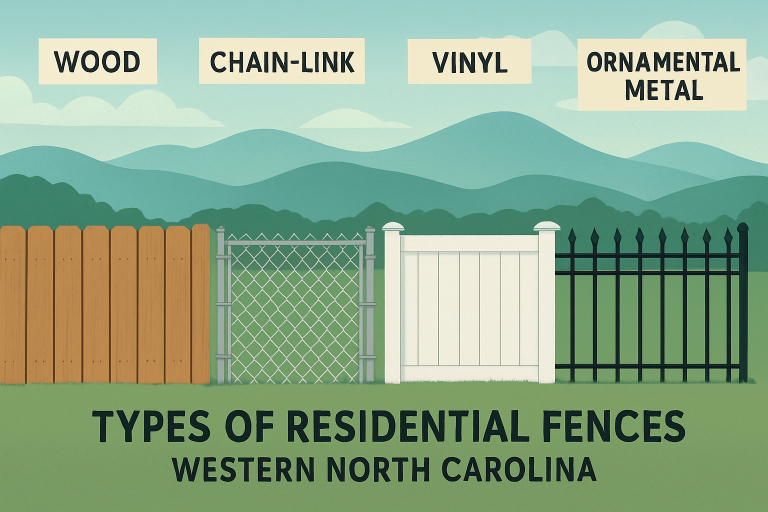
One of the biggest factors influencing fence costs is the choice of material, as prices per linear foot can vary significantly. Options like classic wood typically range from $15 to $32 and offer a rustic, customizable look, but require more maintenance. Vinyl, priced between $19 and $40, provides a modern, weather-resistant, and low-maintenance alternative. Chain-link fencing is the most budget-friendly at $10 to $15, though it offers less privacy. Aluminum and wrought iron, ranging from about $24 to $45, deliver durability and an elegant appearance, while composite materials combine wood-like aesthetics with high durability at a higher cost. Selecting the right material impacts not only your budget but also the fence’s longevity, maintenance needs, and overall style.
Many homeowners consider installing a fence themselves to save on initial costs. For insights from the professionals in Asheville, be sure to review DIY fence installation tips to understand what’s involved and whether this route matches your skills and schedule.
How Does Terrain Affect Fence Installation Costs?
The scenic mountains and foothills are a distinctive part of Western North Carolina, but they also pose challenges for fence installation. Steep grades, rocky ground, or uneven soil may require regrading or additional reinforcement, leading to higher labor costs and, in some cases, the need for specialty equipment. For example, installing a fence in a sloped yard could add $1,000 to $3,300 to your project, depending on the extent of site preparation and accessibility.
While a level, grassy backyard might support quick and simple installation, properties on the hillside or with densely packed earth will cost more in both time and materials. It is important to consult with a local expert for an on-site evaluation to identify terrain-specific needs before finalizing your budget.
What Are the Permit Requirements for Fence Installation?
Local regulations often require homeowners to obtain a permit before installing a new fence. Requirements can vary depending on your location, whether in Asheville, Hendersonville, or across the broader Buncombe County area, including differences in fees and approval timelines. Residential permit costs generally range from $100 to $200 and help ensure your fence complies with safety codes and local standards. Before starting any project, it’s wise to confirm requirements with your city or county planning office. Many homeowners also choose to consult professionals, such as Asheville Fence Company, to better understand local rules and avoid potential fines or costly modifications after installation.
Is Professional Installation Worth the Investment?
Hiring a professional fencing contractor may involve a higher upfront cost, but it often prevents costly mistakes and future repairs. Experienced local contractors understand how to handle uneven terrain, work efficiently, and comply with regional building codes, reducing the burden on homeowners. In areas like Asheville and Hendersonville, labor rates typically average around $50 per hour, though pricing can vary based on project complexity. While some homeowners may manage smaller or straightforward installations on their own, larger or more intricate projects usually benefit from professional expertise. Working with a trusted provider such as Asheville Fence Company can help ensure a durable, well-installed fence that enhances both function and curb appeal over time.
When Should You Repair or Replace an Existing Fence?
Homeowners frequently weigh the decision between repairing an existing fence or replacing it entirely. Small fixes, such as securing loose hardware, replacing broken pickets, or correcting a slight lean, can be affordable and extend the fence’s lifespan. However, widespread issues such as rot, rust, or structural instability often make full replacement the safer and more visually appealing option. Consulting professionals, such as Asheville Fence Company, can provide a thorough assessment and help determine the most practical solution based on your fence’s condition, the overall appearance of your property, and budget considerations.
How Do Regional Considerations Impact Fencing Costs?
Western North Carolina is known for humid summers and frequent rain, particularly in more forested or lower-lying neighborhoods. This climate can accelerate deterioration in wooden and metal fences, prompting some homeowners to opt for more weather-resistant materials like vinyl or composite. Furthermore, many residential developments around Asheville and Hendersonville enforce strict Homeowners Association (HOA) policies regarding fence style, height, and materials. These rules can impact not only your material selection but also your timeline and budget.
Frequently Asked Questions
What Is the Average Lifespan of Different Fencing Materials?
The longevity of your fence depends largely on its materials and maintenance. Wood fences can last 15 to 20 years with regular upkeep, while vinyl and aluminum often last 2 to 3 decades, thanks to their greater weather resistance. Composite fences boast the longest lifespans, sometimes reaching 50 years or more, while wrought iron and chain-link fences provide solid durability for 20 years or more.
How Can I Save on Fence Installation Costs?
- Select practical, budget-friendly materials like chain-link or wood.
- Stick with standard designs and heights to keep material and labor costs down.
- Always get quotes from multiple local contractors to ensure you receive competitive pricing.
- Evaluate whether DIY is appropriate for your property size and level of difficulty.
Are There Specific HOA Regulations for Fencing in Asheville and Hendersonville?
Homeowners Association rules vary from one community to the next. Common restrictions include maximum fence height, approved materials, and even color palette requirements. Violating these rules may result in fines or a mandate to remove or modify the fence. It is crucial to review community covenants or contact your HOA board before making any design or installation decisions.
Taking a well-informed approach to residential fencing helps ensure long-term value, improved property security, and a visually appealing enhancement to your landscape. By carefully evaluating costs and understanding local requirements, homeowners in Western North Carolina can move forward with confidence and fewer surprises. Working with experienced professionals, such as Asheville Fence Company, can also provide helpful guidance and support throughout the process, making it easier to achieve a durable and well-planned fencing solution.