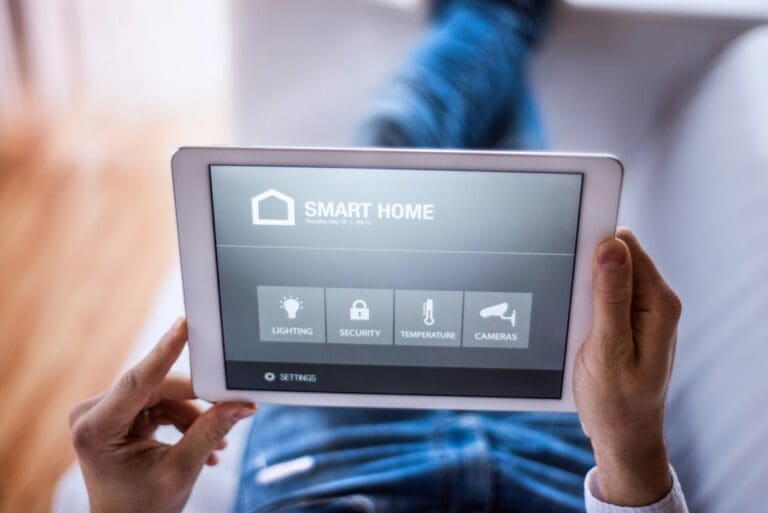
Optimizing Commercial Spaces: High-Rise Maintenance and Flexible Medical Offices
Commercial real estate (CRE) maintenance encompasses all the activities required to keep a property functional, safe, aesthetically pleasing, and compliant with regulations. From routine cleaning to complex system overhauls, these efforts are vital for preserving asset value, ensuring operational efficiency, and fostering positive tenant relationships. Neglecting maintenance can quickly lead to a downward spiral, eroding property value and increasing long-term costs.
I’ve observed that maintenance in CRE isn’t a one-size-fits-all endeavor; it involves several distinct approaches, each with its own strategic purpose:
- Routine Maintenance: These are the daily or weekly tasks that keep a property clean and operational, such as janitorial services, landscaping upkeep, and minor repairs. They are essential for maintaining a positive first impression and ensuring tenant comfort.
- Preventive Maintenance (PM): This proactive approach involves scheduled inspections, servicing, and repairs to equipment and systems before they fail. Think of it as regular check-ups for your building’s vital organs. A Jones Lang LaSalle study, covering 14 million square feet of CRE space, found that structured HVAC preventive maintenance delivered over 500% ROI. This highlights the immense financial benefit of anticipating issues rather than reacting to them.
- Predictive Maintenance (PdM): Taking preventive maintenance a step further, predictive maintenance uses data, sensors, and analytics to monitor equipment condition in real-time. This allows for maintenance to be performed precisely when it’s needed, just before a failure is likely to occur. Condition-based maintenance, for example, has been shown to increase equipment uptime by 90–175 hours in high-rise office buildings, demonstrating its effectiveness in optimizing operational schedules.
- Corrective Maintenance: This is the reactive “fix-it” approach, addressing issues only after they have occurred. While unavoidable for unexpected breakdowns, relying solely on corrective maintenance is often the most expensive strategy. The costs of repair and remodeling have climbed by a significant 61% in the past decade, according to Bankrate, making reactive repairs a particularly costly endeavor.
- Deferred Maintenance: This refers to postponing necessary repairs or upkeep, often due to budget constraints. While it might offer short-term savings, deferred maintenance almost always leads to higher costs down the line, as minor issues escalate into major, more expensive problems.
The financial benefits and return on investment (ROI) of proactive maintenance strategies are undeniable. By shifting from a reactive “break-fix” mentality to a planned, preventive, or even predictive approach, property owners can significantly reduce operational costs, extend the lifespan of valuable assets, and enhance tenant satisfaction. This strategic framework ensures that commercial properties remain valuable, efficient, and attractive investments for the long haul.
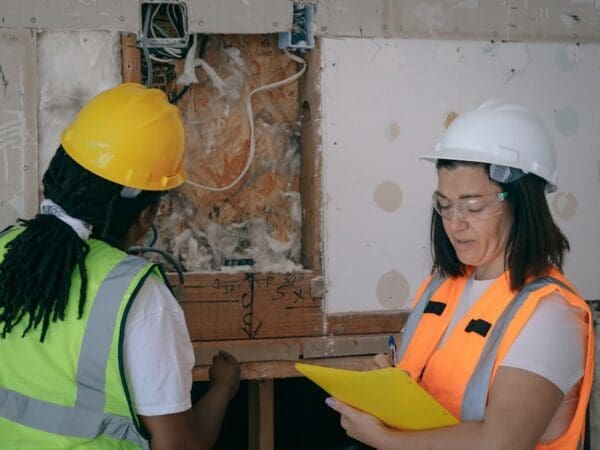
Maintaining high-rise commercial properties presents a unique set of challenges, particularly concerning their exterior facades and vertical systems. These towering structures are constantly exposed to environmental stressors like wind, rain, temperature fluctuations, and urban pollution. Ensuring facade integrity is not just about aesthetics; it’s fundamental to structural safety, energy efficiency, and occupant comfort.
For instance, regular commercial high rise window cleaning is crucial not only for maintaining a pristine appearance but also for allowing maximum natural light penetration, which can impact tenant well-being and energy consumption. Beyond cleaning, the building envelope requires constant vigilance. Services like facade restoration and Alucobond restoration address material degradation, preventing water intrusion and preserving the building’s structural integrity. The importance of proper Commercial exterior caulking maintenance cannot be overstated, as it acts as a primary barrier against moisture and air leaks, directly impacting insulation and energy performance.
Compliance with stringent regulatory requirements is another cornerstone of high-rise maintenance. In major metropolitan areas like New York City, programs such as the Facade Inspection Safety Program (FISP) mandate periodic inspections of building facades to identify and address potential hazards. Similarly, structural safety assessments are paramount, especially for older buildings, to ensure they meet current engineering standards. Energy-efficient glass and sealing techniques are increasingly important, not only for reducing utility costs but also for adhering to evolving building codes aimed at sustainability. Property managers in regions like New Jersey and Westchester County must also navigate specific local building codes and standards that dictate everything from material usage to maintenance schedules.

Specialized Requirements for Medical Office and Flexible Healthcare Spaces
The maintenance demands of medical office buildings and flexible healthcare spaces are distinct and significantly more rigorous than those of general commercial properties. These environments are not just workplaces; they are critical facilities where patient health and safety are paramount. Therefore, maintenance protocols must prioritize hygiene, regulatory compliance, and the uninterrupted operation of specialized equipment.
One of the most crucial aspects is indoor air quality (IAQ). Medical facilities require advanced ventilation systems, often incorporating HEPA filtration, to minimize the spread of airborne pathogens and allergens. Regular maintenance, including filter replacement and duct cleaning, is non-negotiable. Sanitation protocols extend beyond typical commercial cleaning, requiring medical-grade disinfectants and strict adherence to infection control guidelines to prevent healthcare-associated infections.
Plumbing reliability is equally vital, encompassing not just general water supply but also specialized systems for labs, dental offices, and sterilization equipment. Backflow prevention devices must be regularly inspected and certified to prevent contamination of the potable water supply. Furthermore, the safe and compliant management of medical waste, from sharps to biohazardous materials, necessitates specific disposal procedures and designated storage areas. For property managers overseeing these sensitive facilities, partnering with experts in Medical office maintenance is essential to ensure all specialized needs are met.
Accessibility is another key consideration, with strict ADA (Americans with Disabilities Act) compliance required for ramps, doorways, restrooms, and examination rooms to ensure all patients and staff can navigate the facility safely and comfortably. Specialized HVAC systems are often required to maintain precise temperature and humidity levels for sensitive medical equipment and patient comfort.
Compliance and Safety in Medical Commercial Real Estate Maintenance
The regulatory landscape for medical facilities is dense and complex. Compliance with federal, state, and local health codes, including those from OSHA (Occupational Safety and Health Administration) and the EPA (Environmental Protection Agency), is mandatory. This includes meticulous record-keeping for everything from equipment calibration to waste disposal.
Infection control is a continuous process, requiring staff training, stringent cleaning schedules, and the use of appropriate personal protective equipment (PPE). Emergency preparedness is also critical, with robust emergency power systems (generators) to ensure vital equipment remains operational during outages. Fire suppression systems, including sprinklers and alarms, must undergo regular testing and certification. Even seemingly minor details, like ensuring proper Window Caulking to prevent drafts and moisture intrusion, contribute to maintaining a controlled and sterile environment crucial for patient care. The consequences of non-compliance, from fines to patient safety risks, underscore the absolute necessity of a highly specialized and diligent maintenance program for medical commercial real estate.
Leveraging Technology to Optimize Building Operations
In today’s commercial real estate market, technology is no longer a luxury but a necessity for effective property maintenance. The shift from reactive “break-fix” strategies to proactive, data-driven approaches is largely powered by innovative software and hardware solutions. I’ve seen how these tools transform maintenance from a cost center into a strategic asset.
Central to this transformation are Computerized Maintenance Management Systems (CMMS) and Enterprise Asset Management (EAM) platforms. These software solutions provide a centralized hub for managing all maintenance activities, from scheduling routine tasks to tracking asset lifecycles. They enable property managers to automate work orders, manage vendor contracts, and maintain comprehensive service histories for every piece of equipment.
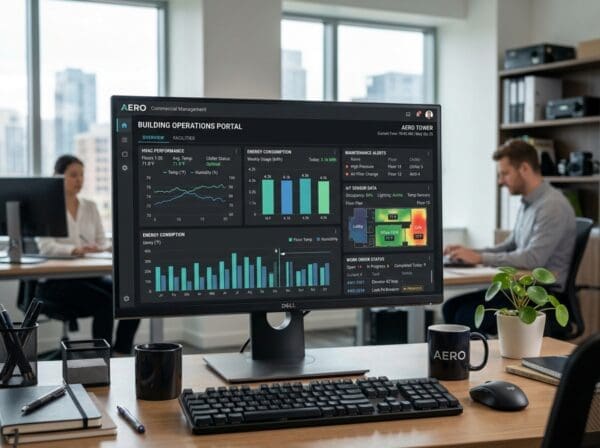
Beyond basic management, advanced technologies are ushering in an era of predictive maintenance. AI-driven forecasting, for example, analyzes historical data and real-time inputs from IoT (Internet of Things) sensors embedded in building systems. These sensors can monitor everything from HVAC performance and energy consumption to elevator functionality and plumbing leaks. By detecting subtle changes in operational patterns, AI can predict potential equipment failures before they occur, allowing maintenance teams to intervene proactively. This not only prevents costly downtime but also optimizes resource allocation, ensuring technicians are dispatched only when truly needed.
The impact on energy optimization is particularly significant. Commercial buildings account for nearly 20% of U.S. energy consumption, according to the EPA. By leveraging IoT sensors and AI analytics, property managers can identify inefficiencies, fine-tune HVAC schedules, and implement smart lighting solutions, leading to substantial reductions in utility costs. This also supports sustainability initiatives, which are increasingly important for attracting and retaining tenants.
Technology also addresses the growing workload faced by facility managers. With a Facility Management Workload Index (FMWI) of +43, indicating heavier workloads without proportional staff increases, automation becomes critical. Automated work orders streamline processes, while enhanced vendor coordination tools improve communication and accountability. This data-driven approach facilitates better capital planning, allowing property owners to make informed decisions about equipment upgrades and replacements based on real-time performance metrics and predictive insights.
Creating a High-Performance Commercial Real Estate Maintenance Checklist
Developing a comprehensive and well-structured maintenance checklist is the cornerstone of a high-performance commercial real estate maintenance program. This isn’t just a generic list; it’s a dynamic document tailored to the specific building type, age, equipment, and local environmental conditions. I advocate for a multi-tiered approach, integrating daily, weekly, monthly, quarterly, and annual tasks to ensure all critical components are regularly inspected and serviced.
Key components and systems that must be included in any robust checklist cover the entire building, inside and out:
- Exterior & Grounds: Daily checks for litter, weekly landscaping, monthly parking lot inspections (potholes, lighting), and annual sealcoating. Seasonal weatherization is crucial, from snow removal in winter to preparing HVAC systems for summer. For properties in areas like Long Island, storm prep is an essential annual task.
- HVAC Systems: Daily temperature checks, weekly filter inspections, monthly coil cleaning, quarterly professional tune-ups, and annual duct inspections. Office towers implementing quarterly HVAC inspections have reported an 18% reduction in energy costs, showcasing the direct financial benefit.
- Plumbing Systems: Daily leak checks, monthly fixture inspections, quarterly drain maintenance, and annual backflow preventer testing. Camera inspections can be invaluable for identifying hidden issues in pipes.
- Electrical Systems: Weekly visual checks of panels, monthly GFCI testing, quarterly emergency lighting tests, and annual thermographic scans of electrical panels to detect overheating, as shown in the image below.
- Safety & Security: Daily exit path checks, weekly security system verification, monthly fire extinguisher inspections, and annual fire alarm and sprinkler system testing.
- Interior: Daily cleaning, weekly common area inspections (flooring, lighting, paint), monthly deep cleaning of high-traffic areas, and annual repainting or floor refinishing as needed.
- Roofing: Monthly visual checks from the ground, quarterly professional inspections, and post-event checks after severe weather. Regular roof drainage clearing is critical to prevent water accumulation.
Essential Systems in a Commercial Real Estate Maintenance Schedule
Beyond the general checklist, specific attention must be given to the building’s essential systems, which are integral to overall performance, safety, and tenant satisfaction:
- HVAC Tune-ups: These are not just about comfort; they are about energy efficiency and indoor air quality. Regular tune-ups prevent costly breakdowns and extend equipment life.
- Plumbing Camera Inspections: Proactive camera inspections can identify blockages, corrosion, or structural damage in pipes before they lead to catastrophic leaks, saving significant repair costs and minimizing disruption.
- Fire Alarm Testing & Certification: This is a life-safety critical task, mandated by code, ensuring that all detection and alarm components function correctly in an emergency.
- Elevator Certification: Elevators are complex vertical transportation systems that require rigorous, periodic inspections and certifications by licensed professionals to ensure safe operation and compliance.
- Emergency Lighting: Regular testing ensures that emergency lighting systems activate during power outages, guiding occupants safely out of the building.
- Building Envelope Sealing: This includes maintaining all seals, caulking, and flashing around windows, doors, and facade elements to prevent air and moisture infiltration, which impacts energy efficiency and structural integrity.
By systematically addressing these areas and adhering to a meticulously planned schedule, property managers can significantly enhance building performance, reduce operating costs, and proactively safeguard their investments.
Frequently Asked Questions about Commercial Real Estate Maintenance
What is the typical ROI on proactive maintenance programs?
Structured maintenance programs, particularly those focused on critical systems like HVAC and roofing, can deliver substantial returns. A study by Jones Lang LaSalle found that structured HVAC preventive maintenance yielded over 500% ROI across 14 million square feet of CRE space. This is achieved by extending equipment lifespan, reducing emergency repairs, and significantly cutting energy consumption. For example, office towers implementing quarterly HVAC inspections have reported an 18% reduction in energy costs. These savings far outweigh the initial investment in proactive measures.
How does maintenance impact tenant retention in 2025?
Maintenance-related issues are a leading cause of commercial lease terminations. Tenants expect well-maintained, functional, and comfortable spaces. Proactive upkeep directly translates to higher tenant satisfaction and, consequently, better retention rates. Research indicates that properties with proactive maintenance strategies achieve a 94% tenant retention rate, significantly higher than the 76% observed in properties that primarily rely on reactive repairs. In a competitive market, a well-maintained property is a powerful tool for attracting and keeping quality tenants.
Should I use an in-house team or outsource maintenance?
The decision between an in-house team and outsourcing often depends on the specific needs of the property and the complexity of the tasks. I generally find that in-house teams are excellent for handling routine daily tasks, minor repairs, and maintaining a consistent presence, fostering better communication and control. They are ideal for tasks like janitorial services, basic landscaping, and quick fixes. However, for specialized services, particularly those involving complex systems or high-rise specific challenges like facade work, high-rise window cleaning, or medical-grade sanitation, outsourcing to certified experts is often the most effective and safest approach. This ensures compliance with stringent regulations, access to specialized equipment, and expertise that an in-house team might not possess, ultimately reducing risk and ensuring high-quality results.
Conclusion
Effective Commercial Real Estate Maintenance is far more than a necessary expense; it is a critical investment that underpins the long-term success of any commercial property. From preserving asset value and ensuring operational efficiency to enhancing tenant satisfaction and navigating complex regulatory landscapes, a proactive and strategic approach to maintenance is indispensable.
By embracing diverse maintenance types—routine, preventive, and predictive—and leveraging cutting-edge technology like CMMS and AI-driven analytics, property managers can optimize costs, extend asset lifecycles, and transform their buildings into high-performance assets. The unique demands of high-rise structures and specialized facilities like medical offices further emphasize the need for tailored strategies and expert partnerships. Prioritizing maintenance is about safeguarding your investment, fostering a thriving environment for tenants, and ensuring sustainable profitability in the dynamic world of commercial real estate.
Ready for a free quote? City High Rise Window Cleaning offers 24/7 live consultation. Call 917-749-8342 to speak to a live representative.