
Top Landscaping Trends to Watch in 2026 Embracing Sustainability and Innovation
Landscaping is experiencing a major transformation in 2026, reflecting a blend of modern aesthetics, advanced technology, and a growing commitment to eco-friendly practices. Whether you want to refresh your home’s curb appeal or reimagine your business frontage, understanding this year’s trends will help you create an outdoor environment that is both visually appealing and responsible. For expert insights and professional advice tailored to your needs, Design Tree Maintenance offers comprehensive services in landscaping design and maintenance.
This year’s emerging trends revolve around extending living spaces outdoors, integrating natural elements for well-being, and adopting efficient, resource-saving methods. As residential and commercial landscapes begin to mirror environmental priorities, the best designs incorporate smart solutions for every climate and lifestyle.
Sustainable Landscaping Practices
Eco-friendly landscaping sits at the heart of the 2026 movement. Approaches such as planting native species, installing rain gardens, and utilizing permeable paving are becoming standard in both private and public spaces. These measures not only support local wildlife and help retain valuable rainwater, but they also reduce dependence on chemical fertilizers and excessive irrigation.
Outdoor Living Spaces
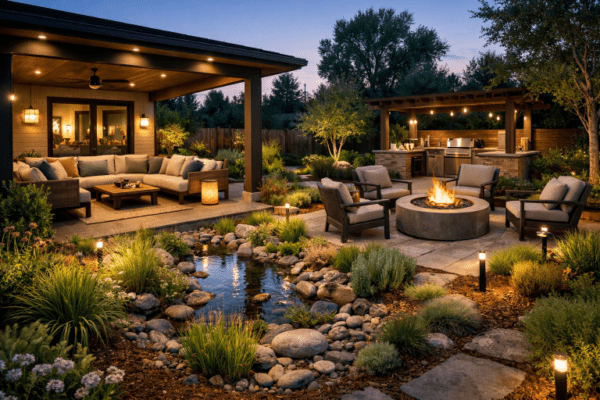
The interest in making the outdoors as inviting as the indoors continues to surge. Homeowners and businesses are investing in features such as covered patios, fire pits, and elaborate outdoor kitchens. These functional extensions of indoor living provide ideal settings for relaxation, entertaining guests, or simply enjoying a quiet evening. The trend reflects growing recognition of the home as a personal retreat and gathering place, where exterior design is just as important as interior décor.
In addition, many property owners are focusing on comfort and usability by adding weatherproof furniture, outdoor rugs, and lighting that create a cozy atmosphere regardless of the season. Incorporating heaters, misting systems, or pergolas helps extend the usability of these areas year-round. Outdoor entertainment centers, including built-in speakers and screens for outdoor movie nights, are also becoming increasingly standard, as individuals seek to blur the boundaries between indoor and outdoor living.
Biophilic Design
Biophilic design draws on the restorative power of nature. Adding living walls, ponds, or even small streams to outdoor designs helps reconnect people with nature in their daily surroundings. Studies have linked environments rich in natural elements to reduced stress levels and enhanced creativity, reinforcing why biophilic design is so highly valued in contemporary landscaping. Rooftop and vertical gardens are increasingly sought-after in urban settings, supporting wellness and sustainability at once. For an in-depth look at the mental health benefits of nature-inspired design, explore coverage from The Washington Post.
Additionally, sensory gardens featuring a variety of textures, scents, and colors are being incorporated for therapeutic benefits. Pathways with fragrant herbs, wind chimes, and water features combine to create multisensory experiences that engage visitors and contribute to mental well-being, especially in urban settings where green space may be limited.
Technological Integration
Automation and smart technology are revolutionizing landscape care. Features such as Wi-Fi connected irrigation systems, energy-efficient LED lighting, and app-controlled garden elements offer unparalleled convenience and resource savings. These innovations allow homeowners and managers to tailor lighting, watering, and maintenance schedules with precision. Not only does this reduce water and energy waste, but it can also result in significant long-term cost savings.
Robotic lawn mowers are also rising in popularity, providing consistent lawn care with minimal input required. Weather tracking integrations help optimize irrigation by adjusting to real-time precipitation and drought conditions, while soil sensors monitor plant health and provide alerts for fertilization or watering needs. All these advancements make it easier to maintain landscapes efficiently and responsibly.
Low-Maintenance Landscaping
Busy schedules and limited resources make low-maintenance gardening a practical, popular choice. The focus is on drought-tolerant varieties, succulents, and robust native species that thrive with minimal intervention. Such plantings are not only visually striking but also help maintain healthy ecosystems. They require less frequent watering, use fewer pesticides, and can flourish even in challenging climates.
Mulching, ground covers, and rock gardens are also key low-effort features that help suppress weeds, retain soil moisture, and provide year-round interest. Many homeowners are turning toward gravel, crushed stone, and other inorganic mulches that require little to no renewal. These techniques are particularly valuable in arid regions where water conservation is a top priority.
Emphasis on Hardscaping
Hardscape features like patios, walkways, and retaining walls are being reimagined using sustainable materials. Designers and architects increasingly prefer recycled wood, stone, or gravel, as well as permeable pavers that minimize runoff and support groundwater recharge. Hardscaping lends structure and flow to outdoor spaces, ensuring they are as functional as they are attractive while supporting green goals.
Beyond aesthetics, well-designed hardscape can improve safety and accessibility while reducing ongoing maintenance demands. Steps, ramps, and non-slip surfaces are tailored to improve navigation, making landscapes more inclusive. Thoughtfully placed lighting highlights pathways and focal points, enhancing beauty while ensuring safe passage during evening hours.
Focus on Native and Pollinator-Friendly Plants
With mounting concerns about pollinator populations, many landscapes now prominently feature plants that attract bees, butterflies, and birds. Native flowers and shrubs not only thrive in regional climates but also help support biodiversity. This trend highlights a commitment to environmental stewardship and ensures landscapes remain vibrant, resilient, and beneficial to local wildlife. For additional ideas about plant selection and garden planning, consult Better Homes & Gardens, a well-established authority in horticulture.
Educational signage and pollinator hotels, small structures that provide shelter for beneficial insects, are being introduced into community gardens, parks, and even residential yards. These additions help foster understanding about the importance of pollinators while providing visible, hands-on ways to support local ecosystems. A variety of blooming plants throughout the seasons ensures a year-round food source for pollinators, further enhancing ecological value.
Conclusion
The most influential landscaping trends of 2026 celebrate the harmony of design, technology, and nature. By embracing sustainability and innovation, property owners can create outdoor spaces that enrich daily life, promote well-being, and safeguard the environment for future generations.
As the year progresses, expect further integration of technology and green infrastructure. Climate change resilience, community engagement, and personal wellness are set to drive further evolution within the landscaping industry. By choosing thoughtful designs and responsible materials, property owners can demonstrate environmental leadership and enjoy outdoor spaces that are beautiful, functional, and future-ready.