How to Create a Toddler-Friendly Outdoor Space
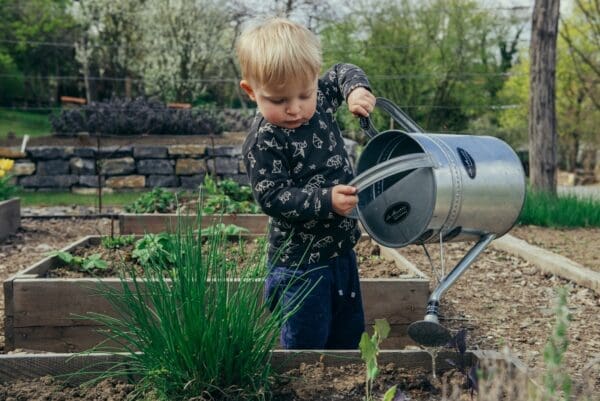
Children, particularly toddlers, love spending time outdoors because they just get on their feet. The love for the outdoors is even more if they live in a city of nature lovers, like Denver. The Mile High City enjoys 300 days of sunshine, and they say that it is always patio season here. Not surprisingly, homeowners are ready to have the best landscapers in Denver designing their outdoor spaces.
If you have a toddler in your home, you will need to consider factors such as safety, engagement, and stimulation for backyard design. Toddlers are naturally curious and love exploring their surroundings. The ideal environment for them is one that fosters learning, creativity, and physical activity while ensuring their safety.
In this article, we will share a few actionable steps to design a toddler-friendly outdoor space.
Prioritize Safety
Did you know that falls are the primary cause of non-fatal injuries among kids in the 0-14 year age group in the US? According to recent NLM data, these mishaps lead to nearly 2 million emergency room visits annually. Even worse, over 30,000 children are hospitalized due to these injuries.
Falls and injuries are more likely to happen outdoors. Safety is paramount when creating an exterior space for toddlers. Common injuries include grazes, cuts, falls, and head injuries. Most of them are caused by falls, but some children may hurt themselves while exploring play equipment.
Soft surfaces like rubber matting, sand, or grass can cushion falls. You must also invest in sturdy and well-maintained play equipment designed for toddlers. When designing the space, maintain clear sightlines for adult supervision. Provide shade structures or plant trees to protect your little ones from the sun.
Grow Child-Safe Plants
A backyard full of plants and flowers is eye-pleasing, but one needs to be selective with a toddler around. The National Poisons Information Centre recommends low-toxicity plants for child-friendly gardens. Since little ones may nibble or swallow plants or flowers, you don’t want them to get sick. There is little chance of anything serious happening with low-toxicity plants.
Pansy, magnolia, primrose, lavender, and rosemary are some blooms that look beautiful and are child-safe. Among edible plants, you can opt for mint and strawberries. You can also grow textured plants such as lamb’s ears and ornamental grasses to offer the tactile experience to your little one.
Create Interactive Areas
An outdoor space offers children many opportunities to enhance their learning and creativity. From observing plants to playing with birds and watching insects, there is a lot they can do. Besides these natural elements, a garden must also have interactive areas to boost their creative abilities.
For example, you can install sensory tables with sand for tactile exploration. Toddler-friendly climbing frames can help develop motor skills in growing children. You can even set up areas for painting and craft-making. Your toddler will develop a love for these activities as they grow up. Make sure they can do it outdoors because they will have a lot of things to capture.
Lifescape Colorado highlights the importance of outdoor time as it keeps kids away from screens. The more time they spend in a backyard with interactive elements, the less screen time they indulge in.
Encourage Active Play
According to the NHS, toddlers should spend at least 180 minutes daily being physically active. This should include outdoor play, including activities like jumping, running, and hopping. Active play, such as riding a bike, playing in water, and using a climbing frame, is the best way to get toddlers moving.
When designing a toddler-friendly outdoor space, ensure that your child gets enough ways for active play. Designate open areas for running and playing games. Set up simple obstacle courses using items like hula hoops and pool noodles. Your yard should also have space areas for riding tricycles and scooters.
Integrate Sensory Elements
Sensory integration is another essential for a toddler-friendly outdoor space. Ensure that it has elements that stimulate all five senses of your little one. While this may seem complicated to a novice, you don’t need to do much for sensory elements. A few common additions to your yard are all you need to invest in.
For example, colorful flowers and toys stimulate the sight. For sound, you can incorporate wind chimes and water features. Provide different textures with plants and materials like sand and gravel to bring the sensation of touch. Exposure to sensory play at a young age is the key to raising bright and happy kids.
Frequently Asked Questions
How to keep toddlers busy in the backyard?
Keeping a toddler busy in the backyard is easy because these little ones are curious and willing to explore. You can let them explore natural things like leaves, flowers, and rocks. Design simple courses using household items to play. Plant a mini garden to teach responsibility and plant care to inculcate a love for gardening.
How can toddlers get hurt outdoors?
Your backyard can be a risky place for small kids as they are prone to injuries like grazes, cuts, and falls. Common hazards include falls from equipment and rough surfaces. Ensure these areas are safe and supervise your toddler at all times. Sun exposure is a concern, so you should provide a shaded area. Also, supervise water play closely.
How to build an obstacle course for kids?
Building an obstacle course in your backyard is a fun way to encourage physical activity. Start simple with everyday items such as hula hoops, pool noodles, and buckets. You can later invest in specialized equipment like tunnels, balance beams, and climbing structures. Make it fun by adding flags or ribbons to create a sense of achievement.
Creating a toddler-friendly outdoor space is like a balancing act. Your yard should blend safety with engagement and stimulation. However, you need not do a lot to achieve the goal. Follow these simple tips, and hire an expert landscaper to ensure a safe space where your toddler can play and thrive.