Tips To Achieve Impeccable Commercial Landscaping
Landscaping is not just about beautification; it’s a representation of your business’s appeal and professionalism. Equipping yourself with the right knowledge and skills can make your commercial property stand out amongst the competition. Whether it’s choosing the most suitable plants or understanding the fundamentals of maintenance, there are numerous aspects to consider. In this article, we will delve into some essential tips to help you create a landscape that is not only pleasing to the eye but also functional and sustainable. Keep reading to transform your commercial space into an enviable green haven.
Understanding the Basics of Commercial Landscaping
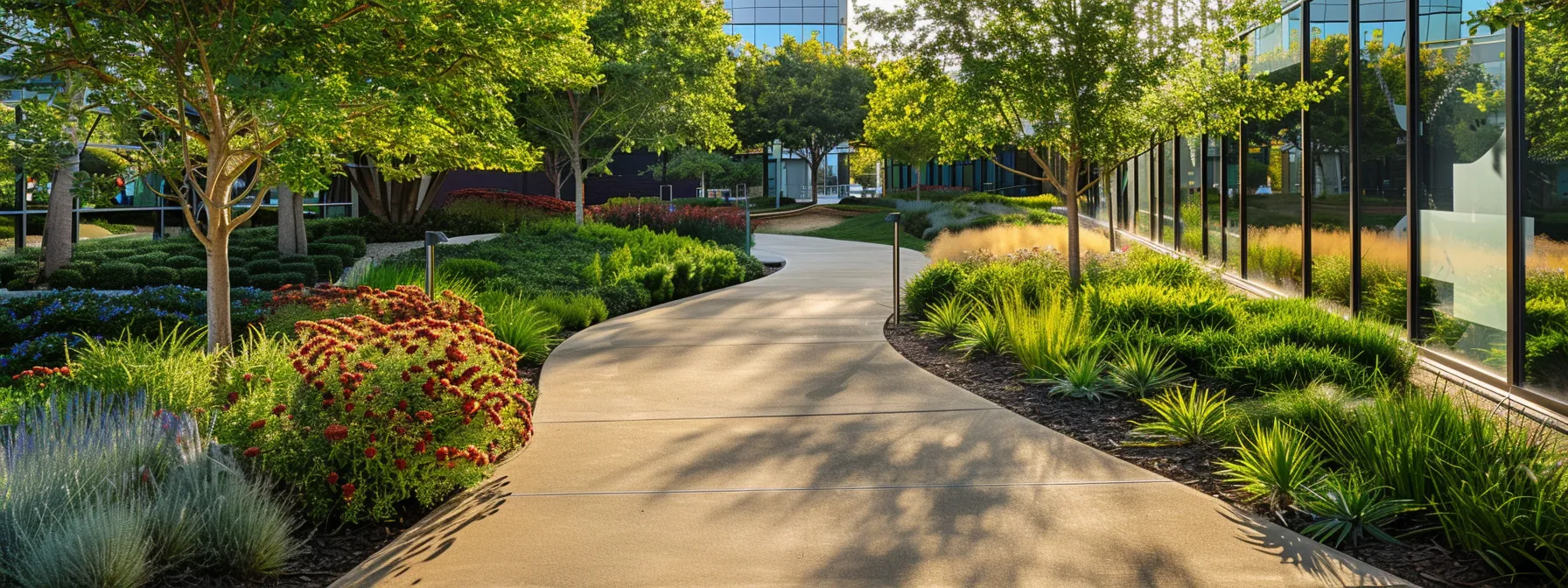
Commercial landscaping involves much more than planting a few shrubs and maintaining a lawn. It requires a strategic approach to design and functionality, often reflecting the brand’s values and identity. This means incorporating color schemes that match the company’s logo, for instance, or choosing styles that enhance the architectural features of the business premises.
A well-designed commercial landscape not only improves curb appeal but also provides environmental benefits. Trees and plants play a critical role in reducing pollution and managing stormwater runoff. Understanding these basic principles is vital in creating a landscape that is both attractive and beneficial to the community.
In addition, selecting a reliable provider for commercial landscaping services and pressure washing is crucial. Professional landscapers can offer valuable insights and maintain the landscape to ensure it remains in peak condition, reflecting your brand’s dedication to excellence and attention to detail.
Implementing Sustainable Landscaping Practices
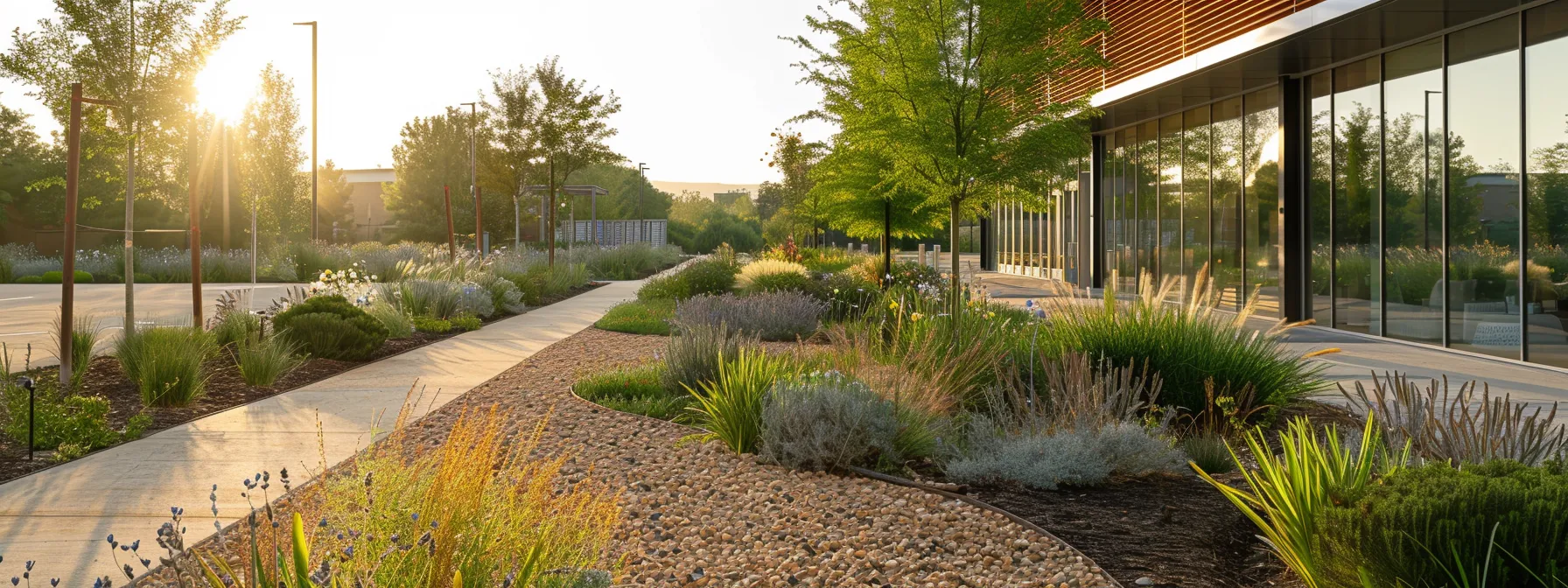
Sustainability in commercial landscaping is becoming increasingly crucial as businesses seek to reduce their environmental footprint. This might involve the use of organic mulches, which improve soil health and reduce weed growth, or the installation of drip irrigation systems to conserve water.
Moreover, sustainable landscaping often includes practices such as rainwater harvesting and xeriscaping, which minimize the need for watering. These techniques can significantly lower the use of resources and the overall costs associated with maintaining a commercial landscape.
Another aspect of sustainability is the use of renewable materials for landscaping projects. Choosing pavers, benches, and other landscaping elements made from recycled or sustainably sourced materials demonstrates a commitment to environmental stewardship, further enhancing your business’s reputation.
Regular Maintenance Schedules for a Pristine Landscape
Maintaining a commercial landscape is an ongoing task that requires a dedicated maintenance schedule. Regular upkeep, including lawn mowing, pruning, and weeding, ensures that the space looks polished and professional at all times. Such tasks should be carried out with consistency to prevent overgrowth and maintain the design’s original intent.
The change of seasons often necessitates additional maintenance measures. Preparing the landscape for winter, rejuvenating it in the spring, and keeping it hydrated through the summer are all critical elements of a well-rounded maintenance schedule.
Employing professional landscaping services ensures that your commercial space receives the necessary expertise and attention. Specialists in the field can detect early signs of plant disease or pest infestations, rectifying issues before they escalate and cause significant damage.
Incorporating Hardscape Elements for Functionality and Aesthetics
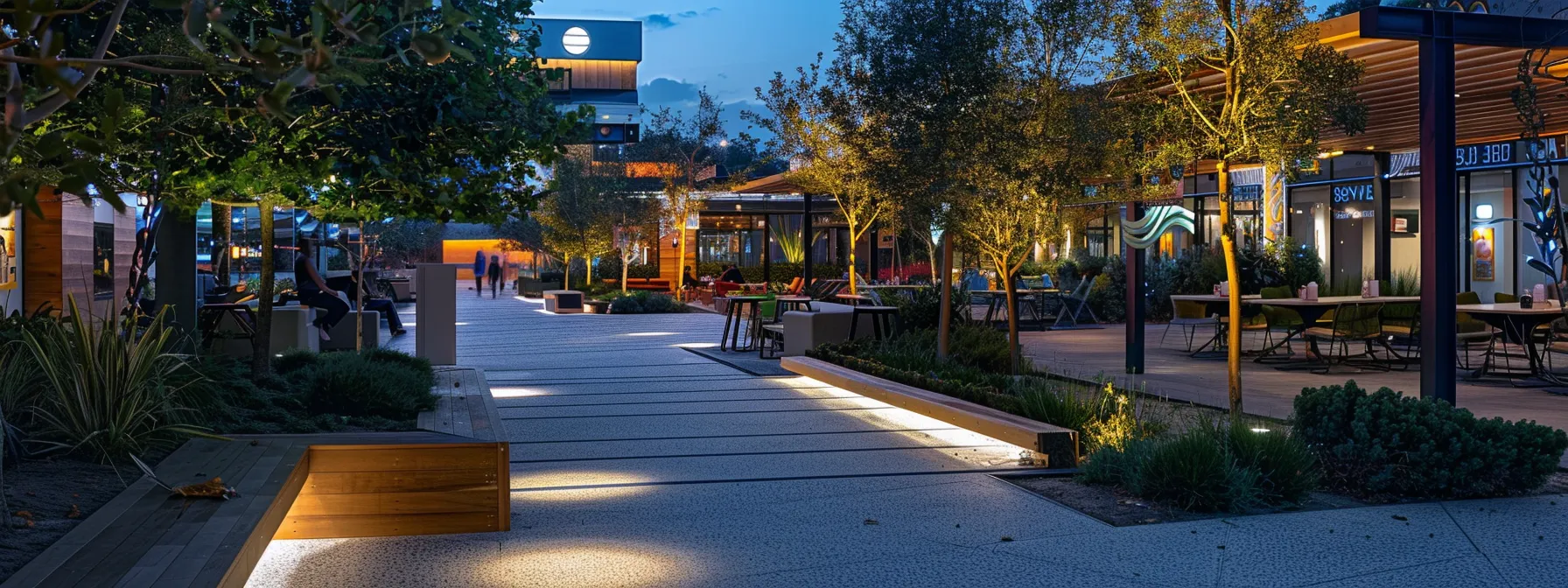
Hardscape elements like walkways, patios, and retaining walls play a vital role in the functionality and aesthetics of commercial landscapes. These features define spaces, create structure, and offer practical uses for employees and visitors. Choosing the right materials and designs can deepen the impact of your landscaping efforts.
Beyond laying pathways, hardscape features can turn an ordinary landscape into a multifunctional area. Outdoor seating areas, for instance, can provide a restful place for breaks or informal meetings. Incorporating these elements requires careful planning to ensure that they blend seamlessly with the softscape.
Lastly, signage and other branded hardscape installations serve not only as functional components of a commercial landscape but also as marketing tools. They should be thoughtfully integrated into the landscape design, reinforcing the company’s brand identity and guiding visitors through the space.
Overall, an impeccably maintained commercial landscape requires attention to detail, a strategic approach to design, and a commitment to sustainability. By following these guidelines, businesses can create a functional, attractive space that adds value and prominence to their brand. Beyond aesthetics, a thoughtfully designed landscape fosters a welcoming environment for clients and employees alike, leaving a lasting impression of professionalism and care. With the right balance of creativity and maintenance, your commercial property can truly stand out as a symbol of excellence.