Thinking of Becoming a Makeup Artist? Here’s Where to Start Your Career

The transition from a makeup enthusiast to a professional artist is an exciting journey, but it requires more than just a passion for beauty. In 2026, the demand for skilled artists has expanded beyond the local salon into high-fashion runways, global film sets, and digital media.
However, with this growth comes a higher standard for technical precision and hygiene. Success in this competitive field is a strategic blend of artistic vision, formal education, and professional networking. By following a structured roadmap—from mastering the basics to building a pro-level kit—you can turn your creative spark into a sustainable and rewarding career.
1. Master the Technical Fundamentals
Before investing in an expensive kit, a professional must understand the “why” behind the “how.” Great artistry starts with the canvas: the skin.
- Skin Prep & Anatomy: Learn to identify oily, dry, or mature skin types to choose products that ensure makeup longevity and comfort.
- Color Theory: Master the color wheel to cancel out redness, hide dark circles, and match foundation undertones perfectly across all ethnicities.
- Face Shapes: Practice highlighting and contouring as a tool to enhance different bone structures rather than masking them.
These core competencies serve as the foundation for every look, ensuring you can deliver consistent results in any environment, from natural daylight to harsh studio strobes.
2. Invest in Professional Training
While digital tutorials are excellent for inspiration, they cannot replace the hands-on correction and credibility provided by a formal education. Most high-end employers and film unions require proof of professional training before they will even look at a resume.
Enrolling in a reputable Makeup Artist and Special FX School is the most efficient way to master industry-recognized safety standards and advanced techniques. For example, by attending a specialized institution like CMU College of Makeup Art & Design, many people gain the technical proficiency needed to work with commercial-grade prosthetics and character design. This professional environment bridges the gap between basic cosmetic application and the complex artistry required for cinema, ensuring you walk onto your first set with total confidence.
3. Build a “Pro” Level Kit
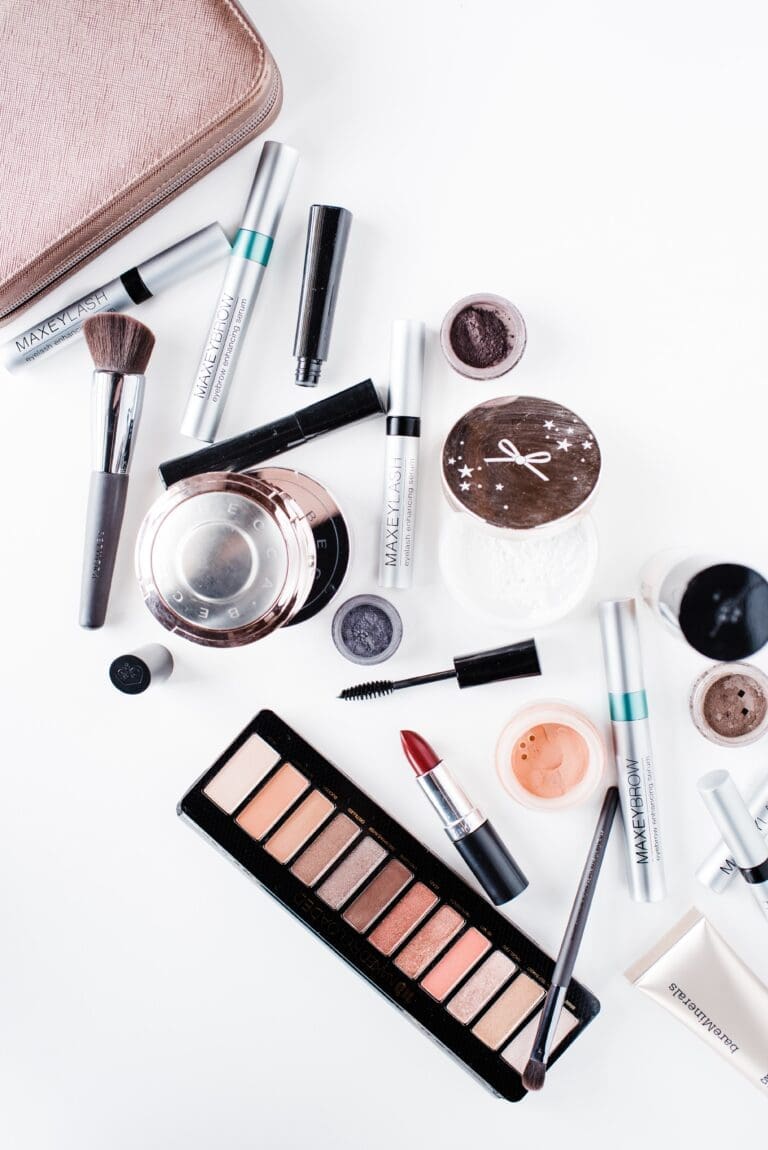
A professional kit isn’t about owning every brand on the market; it’s about having a versatile, high-quality toolkit that you can rely on.
- The Essentials: Focus on a diverse foundation palette, a high-quality brush set, and a robust sanitization kit containing 70% alcohol and disposable applicators.
- Pro Discounts: Once you have a student ID or certification, you can apply for “Pro Programs” at brands like MAC or Make Up For Ever, saving you 20–40% on restocks.
- Quality Over Quantity: It is better to have five shades of a high-end, pigment-rich foundation than twenty shades of a low-quality product.
Building your kit slowly and intentionally ensures that your tools grow alongside your skills while always prioritizing client safety.
4. Create a High-Impact Portfolio
In the creative arts, your portfolio is your true resume. It is the visual evidence of your skill, range, and professionalism. To build a strong one, you should practice on a wide variety of faces, focusing on different ages, skin tones, and features to show your versatility.
In today’s market, a “living portfolio” on Instagram or TikTok is also essential. Use these platforms to showcase your process through well-lit before-and-after shots and short “get ready with me” clips. High-quality, clear photos of your work are the most persuasive tools you have when pitching to new clients or agencies, so invest the time to capture your art in the best possible light.
5. Find Your Niche and Start Networking
The beauty industry is incredibly broad, and finding a niche—such as bridal, editorial, or special effects—helps you market yourself more effectively. Once you’ve found your direction, networking becomes your most valuable asset for staying busy.
- Assisting Pros: Reach out to established artists and offer to assist them. You’ll learn the “business” side of the kit—like managing time and handling difficult lighting—that isn’t always taught in a classroom.
- Counter Work: Jobs at beauty hubs provide excellent “speed practice” on hundreds of different faces, building both your technique and your people skills.
Talent might get you noticed, but being a reliable, professional, and well-connected peer is what ensures a long-term career.
Conclusion
Becoming a successful makeup artist is a marathon of continuous learning and growth. The journey from a beginner to a professional requires patience, but the rewards of a creative career are well worth the effort. By combining a formal education with a professional mindset and a strong network, you provide yourself with the tools needed to thrive. With the right foundation, your passion for makeup can transform into a lifelong profession that brings your artistic vision to life every day.