The Role of Plumbers in Sustainable Living
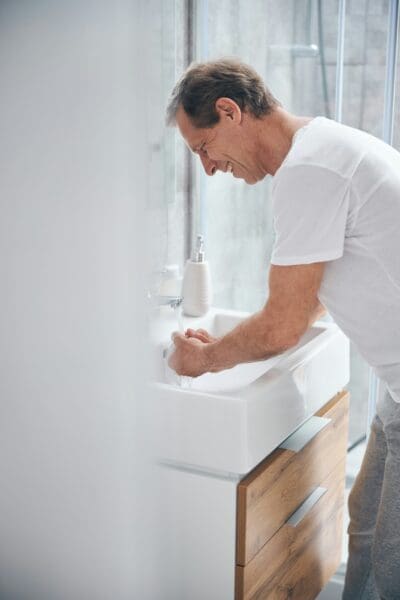
Sustainable living is an increasingly important goal for many households and businesses. While much of the focus tends to be on energy efficiency and waste reduction, the role of plumbers in promoting sustainability is often overlooked. Plumbers like D&S Plumbing Group play a crucial part in implementing eco-friendly practices, conserving water, and ensuring that plumbing systems are efficient and environmentally friendly.
Water Conservation
One of the primary ways plumbers contribute to sustainability is through water conservation. Water is a precious resource, and its efficient use is vital in a country like Australia, which often faces drought conditions.
Installing Water-Efficient Fixtures
- Low-Flow Toilets – Plumbers can install low-flow toilets that use significantly less water per flush compared to traditional models.
- Efficient Showerheads and Taps – By fitting water-saving showerheads and taps, plumbers help reduce water usage without compromising on performance.
- Dual Flush Systems – These systems offer two flush options, allowing for more efficient water use depending on the need.
Detecting and Repairing Leaks
Leaks can waste a substantial amount of water. Plumbers are skilled at detecting and repairing leaks, which can save hundreds of litres of water annually. Regular maintenance checks can prevent minor leaks from becoming major issues.
Energy Efficiency
Plumbers also play a critical role in enhancing the energy efficiency of plumbing systems, which can reduce household energy consumption and lower utility bills.
Installing Energy-Efficient Water Heaters
- Tankless Water Heaters – These systems heat water on demand, reducing the energy wasted in keeping a tank of water hot.
- Solar Water Heaters – Utilizing solar energy to heat water is an excellent way to reduce reliance on fossil fuels and cut energy costs.
- Heat Pump Water Heaters – These heaters are more energy-efficient than traditional electric water heaters, as they transfer heat rather than generate it directly.
Insulating Pipes
Insulating hot water pipes reduces heat loss, meaning less energy is required to keep water at the desired temperature. This simple measure can improve the overall efficiency of a household’s hot water system.
Sustainable Materials and Practices
The choice of materials and the methods used in plumbing can significantly impact the environmental footprint of a home or business.
Using Eco-Friendly Materials
- PEX Piping – Cross-linked polyethylene (PEX) is a durable and flexible piping material that is more environmentally friendly than traditional PVC or copper.
- Recycled Materials – Plumbers can opt for fixtures and materials made from recycled content, which reduces waste and supports recycling industries.
Green Plumbing Practices
- Greywater Systems – Plumbers can install systems to recycle greywater (from showers, sinks, and washing machines) for use in irrigation and toilet flushing.
- Rainwater Harvesting – Installing rainwater tanks and systems to collect and use rainwater for various purposes reduces the demand on mains water supplies.
- Composting Toilets – These toilets use little to no water and turn human waste into compost, which can be used to enrich soil.
Reducing Chemical Use
Traditional plumbing maintenance and repairs often involve the use of harsh chemicals that can harm the environment. Plumbers can adopt more sustainable practices by using environmentally friendly products and techniques.
Eco-Friendly Cleaning Solutions
- Biodegradable Cleaners – These cleaners are less harmful to the environment and can effectively clean and maintain plumbing systems without the toxic side effects of conventional products.
- Natural Drain Cleaners – Using natural methods and products, such as baking soda and vinegar, can clear blockages without resorting to harsh chemicals.
Education and Advocacy
Plumbers are in a unique position to educate and advocate for sustainable practices among their clients. By sharing their knowledge, they can encourage more eco-friendly choices and behaviours.
Providing Sustainable Living Tips
- Water-Saving Tips – Plumbers can advise homeowners on simple ways to conserve water, such as taking shorter showers and fixing dripping taps.
- Energy-Efficiency Advice – Sharing information about how to reduce energy consumption through efficient plumbing systems can help clients make informed decisions.
Promoting Regular Maintenance
Encouraging clients to schedule regular maintenance checks can prevent wasteful leaks and ensure that systems are running efficiently, which is better for both the environment and the homeowner’s budget.
The Future of Sustainable Plumbing
The plumbing industry is continually evolving, with new technologies and methods emerging to further enhance sustainability.
Smart Plumbing Technologies
- Smart Meters – These devices can monitor water usage in real time, helping homeowners track their consumption and identify potential leaks early.
- Automated Systems – Systems that automatically adjust water flow based on usage patterns can optimise water use and reduce waste.
Innovative Water Treatment Solutions
- Advanced Filtration Systems – These systems can provide clean drinking water with minimal environmental impact.
- Sustainable Wastewater Treatment – New methods of treating wastewater can reduce pollutants and return cleaner water to the environment.
Plumbers as Key Players in Sustainable Living
Plumbers play a vital role in promoting sustainable living by implementing water-saving measures, enhancing energy efficiency, using eco-friendly materials, reducing chemical use, and educating the public. By continuing to adopt and advocate for sustainable practices, plumbers can help ensure a greener future. Whether through simple fixes or advanced technologies, the contributions of plumbers are essential in the collective effort to protect our planet and conserve its resources.
Similar Posts:
- None Found