

The Habits of Happy Couples: How to Talk and Listen

Healthy communication isn’t just talking but understanding. Complex topics become growth opportunities when partners commit to open dialogue and respect. Habits like active listening, using “I” statements, and reading nonverbal cues create a safe space for honest connection and problem-solving. These skills are invaluable during tension or misunderstanding, preventing issues from festering and fostering a relationship where both feel valued. They support deeper emotional bonds and a more harmonious daily life.
Effective communication underpins all successful relationships, allowing couples to build trust, connection, and resilience through life’s inevitable ups and downs. Learning and practicing healthy communication habits can be transformative. For those navigating challenges or seeking to strengthen their bond even further, considering resources like couples therapy in Chicago can provide additional support and professional guidance.
Active Listening
Active listening involves giving undivided attention, focusing on understanding rather than formulating a response, and employing techniques like maintaining eye contact, nodding, and paraphrasing. These actions show engagement, clarify understanding, and prevent misunderstandings. The American Psychological Association recommends withholding judgment until the speaker finishes to foster a supportive environment and enhance trust and emotional bonds.
Using “I” Statements
Using “I” statements shifts focus to personal experiences and feelings, preventing accusatory tones and fostering constructive dialogue. This approach, exemplified by “I feel overwhelmed when I do chores alone” instead of “You never help around the house,” reduces conflict and encourages collaborative problem-solving. Expressing your emotional response from your perspective invites your partner’s viewpoint, promoting vulnerability, honesty, and deeper connection.
Nonverbal Cues
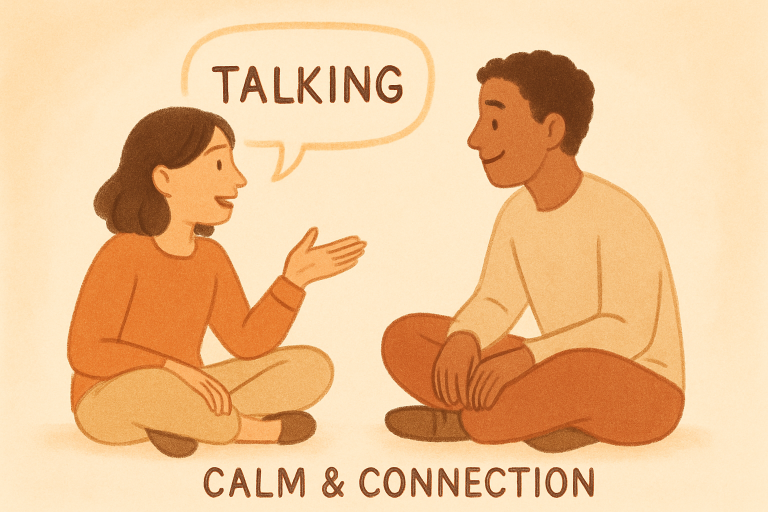
Effective communication involves aligning nonverbal cues like body language, facial expressions, and tone with spoken words. Inconsistencies, such as crossed arms suggesting defensiveness despite open words, can confuse. Maintaining an open posture, a calm tone, and being mindful of facial expressions are essential for conveying receptivity and interest. Aligned verbal and nonverbal communication builds trust and ensures messages are received as intended, as nonverbal signals often carry greater weight than words.
Regular Check-Ins
Regular, proactive check-ins between partners, whether daily, weekly, or biweekly, serve as a structured method to address concerns, acknowledge successes, and share emotions. These scheduled dialogues help prevent misunderstandings from escalating and foster a sense of security and connection. By setting aside quiet, distraction-free time, preparing discussion topics covering positive aspects and areas needing attention, and approaching these conversations with an open, nonjudgmental attitude, partners can ensure that minor issues are resolved promptly and remain attuned to each other’s evolving needs.
Managing Conflict Respectfully
All couples experience disagreements, but managing conflict significantly impacts the relationship’s success. Effective conflict resolution requires clear communication, emotional self-control, and a readiness to compromise. Implementing brief pauses during intense emotional moments can avert regrettable statements. Establishing clear boundaries for arguments, such as refraining from insults or dredging up past issues, is beneficial. Taking temporary breaks when discussions become heated is advised to allow emotions to subside. The focus should be on addressing present issues rather than revisiting past errors. Employing respectful language and avoiding personal attacks is crucial. Constructive conflict resolution fosters resolution, mutual learning, and enhanced respect within the partnership.
Setting Boundaries
Healthy relationships depend on clearly defined boundaries concerning communication, time, space, and emotional needs. Setting boundaries signifies self-respect and respect for one’s partner, with these agreements adaptable and subject to periodic review. Open and respectful sharing of needs and discomforts, coupled with calm discussion of differences and regular check-ins regarding evolving circumstances, prevents resentment, enhances mutual understanding, and cultivates a safe environment.
Practicing Empathy
Empathy is crucial for partners to comprehend each other’s feelings, irrespective of agreement. Active empathy, characterized by deep listening, validating a partner’s perspective, and compassionate responses, fosters a secure and caring connection. Key practices include listening with curiosity and avoiding immediate judgment, validating emotions by acknowledging the partner’s viewpoint, and offering comfort and reassurance, particularly in vulnerable discussions. Cultivating empathy requires practice but yields significant benefits in trust, emotional intimacy, and the enduring nature of the relationship.
Conclusion
Adopting healthy communication habits transforms relationships by laying a foundation of trust, respect, and understanding. Through active listening, “I” statements, alignment of verbal and nonverbal cues, regular check-ins, respectful conflict management, thoughtful boundaries, and consistent empathy, couples can weather challenges together and cultivate lasting fulfillment. Relationship communication is an ongoing journey—regular effort and openness from both partners are key to long-term happiness and harmony.